В последние годы резкий рост спроса на ИИ, полупроводники и дата-центры ещё больше усилил влияние американских технологических акций на мировых рынках. «Великолепная семёрка», компании — производители чипов для ИИ и участники цепочек поставок полупроводников постепенно превратились в ключевые активы, привлекающие пристальное внимание глобального капитала.
Одновременно всё теснее становится корреляция между криптовалютным рынком и американскими технологическими бумагами. Биткоин, активы, связанные с темой ИИ, индекс Nasdaq и акции полупроводниковых компаний всё сильнее зависят от глобальной ликвидности, циклов изменения процентных ставок и аппетита к риску.
С развитием ETF, CFDs и платформ для работы с цифровыми активами всё больше пользователей изучают способы доступа к рынку американских технологических акций через криптоактивы. Этот процесс также ускоряет сближение TradFi и рынка цифровых активов.
Почему американские технологические акции находятся в центре глобальных рынков капитала
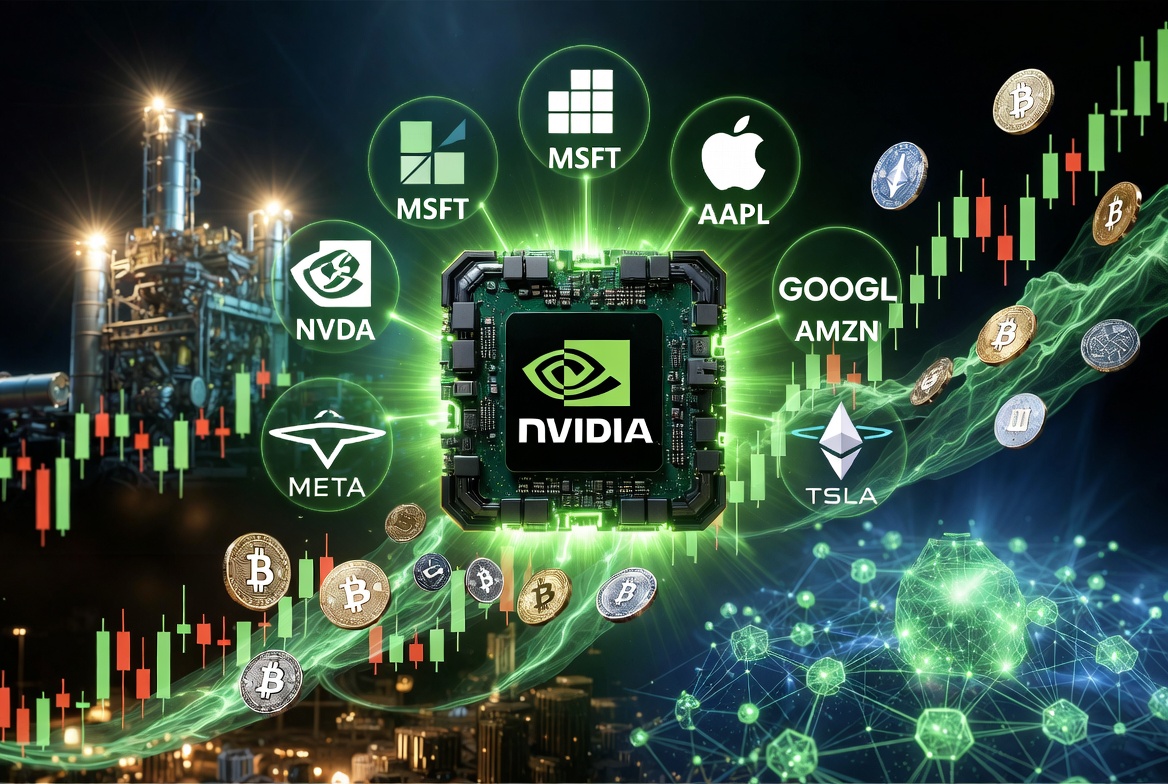
Американские технологические акции издавна служат эталоном для активов роста во всём мире, а наступление цикла ИИ лишь упрочило значимость технологического сектора на мировых рынках капитала.
Крупные технологические компании не только доминируют в сегментах облачных вычислений, чипов, ПО и интернет-платформ, но и контролируют инфраструктуру ИИ, дата-центры и ресурсы для высокопроизводительных вычислений.
В последние годы «Великолепная семёрка» стала ключевым компонентом мировых рынков и обычно включает:
| Компания |
Основная специализация |
| Apple |
Потребительская электроника |
| Microsoft |
Облачные вычисления и ИИ |
| NVIDIA |
GPU и вычислительные мощности для ИИ |
| Amazon |
Облачные сервисы |
| Meta |
Социальные сети и ИИ |
| Alphabet |
Поиск и ИИ |
| Tesla |
Электромобили и энергетика |
Эти компании традиционно занимают значительный вес в NAS100 и основных фондовых индексах США. Поэтому динамика глобального технологического рынка во многом определяется «Великолепной семёркой».
С расширением рынка ИИ американские технологические акции больше не ограничены одним фондовым рынком — они стали неотъемлемым элементом глобальной технологической инфраструктуры.
Почему именно ИИ и цепочки поставок полупроводников задают тон на технологическом рынке
Для обучения моделей ИИ требуются огромные вычислительные мощности, и цепочка поставок полупроводников служит фундаментом этой вычислительной инфраструктуры.
GPU, память HBM, дата-центры, чипы управления питанием и оборудование для производства полупроводников стали критически важными компонентами цепочки поставок ИИ.
Этот сдвиг вывел многие полупроводниковые компании в центр внимания мировых рынков капитала.
| Компания или ETF |
Основной профиль |
| MU |
HBM и чипы памяти |
| MPWR |
Чипы управления питанием |
| KLAC |
Оборудование для контроля полупроводников |
| SOXX |
Полупроводниковый ETF |
| SMH |
ETF на чипы для ИИ |
Значение MU (Micron Technology) на рынке ИИ связано прежде всего с растущим спросом на HBM (память с высокой пропускной способностью). По мере увеличения размеров моделей ИИ потребность GPU в быстрой памяти возрастает пропорционально.
В свою очередь, MPWR (Monolithic Power Systems) играет ключевую роль в энергоснабжении дата-центров для ИИ, а KLAC (KLA) специализируется на инспекции и метрологии в передовом производстве полупроводников.
Такая полнота цепочки поставок позволила рынку ИИ выйти за рамки чисто программной логики и превратиться в глобальную экосистему «железа» и инфраструктуры.
Почему ETF стали ключевым инструментом на технологическом рынке
ETF — одна из важнейших структур активов на мировом технологическом рынке.
В отличие от отдельных акций, ETF делают упор на отраслевые темы и диверсификацию портфеля, позволяя участникам рынка одновременно получать доступ к нескольким технологическим компаниям и сегментам цепочек поставок.
Например, SOXX и SMH обычно охватывают цепочки поставок полупроводников, GPU и чипов для ИИ, а NAS100 фокусируется на общей динамике крупных американских технологических акций.
Кроме того, отраслевые ETF расширяются на рынки энергетики, электромобилей и ресурсов.
Например:
| ETF |
Направление покрытия |
| LIT |
Цепочка поставок литиевых батарей |
| URA |
Уран и ядерная энергетика |
| GDX |
Добыча золота |
| HYG |
Высокодоходные облигации |
| SQQQ |
3x шорт Nasdaq |
| SOXS |
3x шорт полупроводников |
Такая структура означает, что ETF — это уже не просто индексные инструменты, а важные шлюзы к глобальным тематическим активам. ИИ, энергетический переход и глобальные макроэкономические изменения ещё больше усиливают влияние тематических ETF на рынках капитала.
Почему спрос на энергию для ИИ толкает вверх цены на энергетические и ядерные активы
Расширение дата-центров для ИИ повышает глобальный спрос на электроэнергию, что привлекает всё больше внимания рынков капитала к энергетическому сектору.
Крупные дата-центры для ИИ требуют стабильного энергоснабжения, поэтому ядерная энергетика, модернизация сетей и энергетическая инфраструктура становятся ключевыми темами эпохи ИИ.
Это развитие вывело в центр внимания несколько энергетических ETF и коммунальных компаний.
Например, URA (Global X Uranium ETF) в основном охватывает цепочку поставок урана и ядерной энергетики, а GEV (GE Vernova), SO (Southern Company) и DTE Energy участвуют в энергетической инфраструктуре, энергосистемах и рынке энергетического перехода соответственно.
Аналогично, глобальные макроактивы, такие как XTI (нефть WTI) и XAG (серебро), также зависят от энергетического спроса, промышленного производства и аппетита рынка к риску.
Эта взаимосвязь означает, что рынок ИИ влияет не только на технологические акции, но и на энергетику, сырьё и более широкую структуру глобальных макроэкономических рынков.
Как глобальные индексы отражают изменения на технологических рынках и рынках рисковых активов
Глобальные индексы обычно отражают рыночную структуру и отраслевые веса разных регионов. NAS100 сильно ориентирован на крупные американские технологические компании, поэтому, когда рынки ИИ и полупроводников растут, Nasdaq обычно следует за ними.
В отличие от этого, GER40 больше связан с немецкими промышленными предприятиями и европейским производством, а HK50 делает акцент на гонконгских финансах и китайских интернет-активах. Эти различия означают, что разные индексы соответствуют разным макроэкономическим драйверам.
| Индекс |
Ключевые характеристики рынка |
| NAS100 |
Американские технологические акции |
| GER40 |
Европейские промышленные предприятия |
| HK50 |
Гонконгские финансы и интернет |
Кроме того, корреляция между технологическими акциями, индексами и крипторынком продолжает усиливаться.
Когда мировые рынки входят в фазу Risk-On, Nasdaq и Биткоин обычно растут вместе; при ужесточении ликвидности высоковолатильные активы роста часто оказываются под давлением одновременно.
Почему темы глобальных бизнес-моделей также привлекают внимание рынков капитала
Помимо технологий и полупроводников, глобальные потребительские, финансовые и корпоративные сервисные отрасли остаются важнейшими составляющими рынка TradFi.
Например:
- AON работает на рынке глобального управления рисками и страхового брокериджа.
- GIS и COTY относятся к сектору потребительских брендов и защитных потребительских товаров.
- SYY охватывает цепочку поставок продуктов питания в США.
- CIB и BAP активны в сфере цифрового банкинга и финтеха Латинской Америки.
- ALK работает в сфере региональных авиаперевозок и экономики членства в США.
Хотя эти компании не входят в цепочку поставок ИИ, их бизнес-модели часто отражают сдвиги на глобальных потребительских, финансовых и корпоративных рынках.
Такая структура позволила глобальному фондовому рынку превратиться в комплексную экосистему, охватывающую технологии, энергетику, потребительские товары, финансы и промышленность.
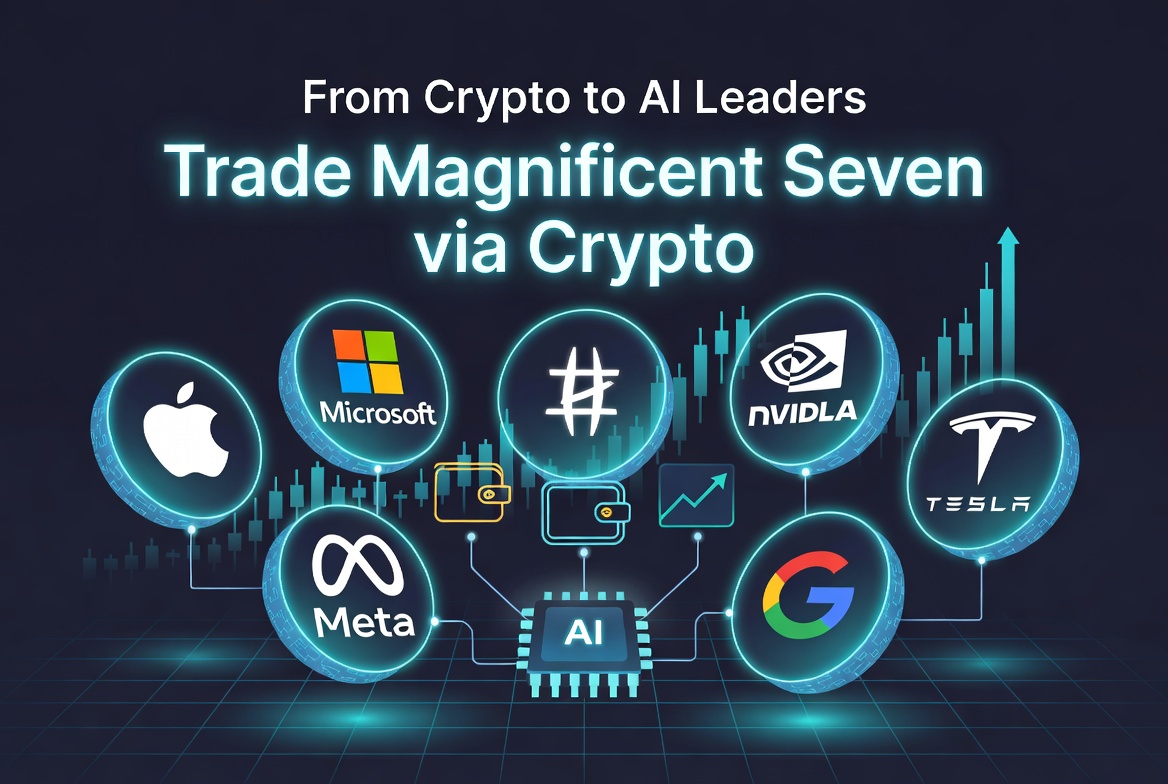
Как участвовать в рынке американских технологических акций через CFD
CFD (контракт на разницу) — это дериватив, который позволяет трейдерам получать прибыль от движения цен без прямого владения базовым активом. Вместо этого контракт отслеживает изменение цены актива.
По сравнению с традиционными счетами для торговли ценными бумагами CFD предлагают:
- Возможность торговли как в лонг, так и в шорт
- Механизмы плеча
- Доступ к широкому спектру глобальных активов
- Отсутствие необходимости физического владения активом
Некоторые продукты CFD теперь охватывают:
| Класс активов |
Распространённые рынки |
| Технологические акции |
NVDA, META, AAPL |
| ETF |
SOXX, SMH, LIT |
| Индексы |
NAS100, GER40, HK50 |
| Товары |
Золото, серебро, нефть |
По мере того как платформы цифровых активов расширяют свои предложения TradFi, всё больше пользователей отслеживают как криптоактивы, так и глобальные технологические активы на одной платформе.
Например, такие продукты, как Gate TradFi CFD, уже начали охватывать отдельные американские акции, ETF, индексы и макроактивы.
Поскольку CFD — это деривативы с кредитным плечом, их профиль риска существенно отличается от долгосрочного владения акциями, а нормативные требования к таким продуктам могут различаться в зависимости от юрисдикции.
Почему крипторынок и рынок TradFi сближаются
Граница между крипторынком и TradFi постепенно стирается.
Рост ETF, RWA (реальных активов), ончейн-токенов акций и продуктов CFD направляет традиционные финансовые активы в экосистему цифровых активов.
В то же время биткоин-ETF, тематические ETF на ИИ и мировые рынки технологических акций побуждают пользователей криптовалют исследовать традиционные финансовые активы.
Например, структуры ончейн-токенов акций, такие как Circle xStock (CRCLX), пытаются перенести акции на блокчейн.
Эта тенденция предполагает, что в будущем мировые рынки, возможно, перестанут проводить строгие различия между:
- Крипторынком
- Фондовым рынком
- Рынком ETF
- Рынком глобальных макроактивов
По мере того как платформы цифровых активов расширяют свои глобальные предложения продуктов TradFi, крипто-нативные пользователи всё чаще осваивают межрыночную торговлю активами.
Итог
Американские технологические акции стали одним из центральных активов роста на глобальных рынках капитала, а ИИ, полупроводники и дата-центры обеспечивают непрерывное расширение глобальной технологической цепочки поставок.
В то же время ETF, индексы и тематические энергетические активы становятся критически важными элементами мирового рыночного ландшафта. Взаимосвязи между ядерной энергетикой, энергетической инфраструктурой, литиевыми батареями и глобальными макроактивами крепнут вместе с развитием эпохи ИИ.
С развитием CFD, RWA и платформ цифровых активов граница между крипторынком и TradFi продолжает размываться. Эта эволюция подталкивает глобальные рынки активов к более унифицированной, межрыночной структуре торговли.
Часто задаваемые вопросы
Что такое «Великолепная семёрка»?
«Великолепная семёрка» — это семь крупнейших и наиболее влиятельных американских технологических компаний по рыночной капитализации: Apple, Microsoft, NVIDIA, Amazon, Google, Meta и Tesla.
Почему ИИ стимулирует рост акций полупроводниковых компаний?
Для обучения моделей ИИ требуются GPU, память HBM и дата-центры, поэтому расширение рынка ИИ, как правило, увеличивает спрос по всей цепочке поставок полупроводников.
В чём разница между ETF и акциями?
Акция представляет собой долю владения в одной компании, тогда как ETF обычно обеспечивает диверсифицированный доступ к нескольким компаниям или определённой теме.
Чем CFD отличаются от традиционной торговли акциями?
CFD — это деривативы, позволяющие трейдерам спекулировать на движении цен с помощью контрактов, тогда как традиционная торговля акциями предполагает владение базовыми акциями.
Почему энергетический рынок влияет на цепочку поставок ИИ?
Дата-центры для ИИ потребляют огромные объёмы стабильной электроэнергии, поэтому энергетика, сетевая инфраструктура и ядерная энергетика становятся ключевыми факторами развития инфраструктуры ИИ.
Можно ли торговать американскими акциями через платформу цифровых активов?
Некоторые платформы цифровых активов уже предлагают CFD или продукты TradFi, привязанные к американским акциям, ETF и глобальным индексам.