Dans le secteur moderne de la restauration collective, la plupart des restaurants, hôtels, écoles et hôpitaux ne s’approvisionnent pas directement auprès des fermes ou des usines de transformation. Ils s’appuient plutôt sur de grandes plateformes de distribution alimentaire pour centraliser leurs achats et leurs livraisons. Ces entreprises de distribution jouent ainsi un rôle crucial entre la production et la restauration collective.
D’un point de vue structurel, Sysco va bien au-delà d’un simple distributeur : il incarne un modèle de « plateforme évolutive de chaîne d’approvisionnement pour la restauration collective ». Avec l’évolution de la logistique du froid, des systèmes d’achat numériques et des chaînes de restauration, le secteur de la restauration collective est devenu un pilier de l’économie de consommation moderne.
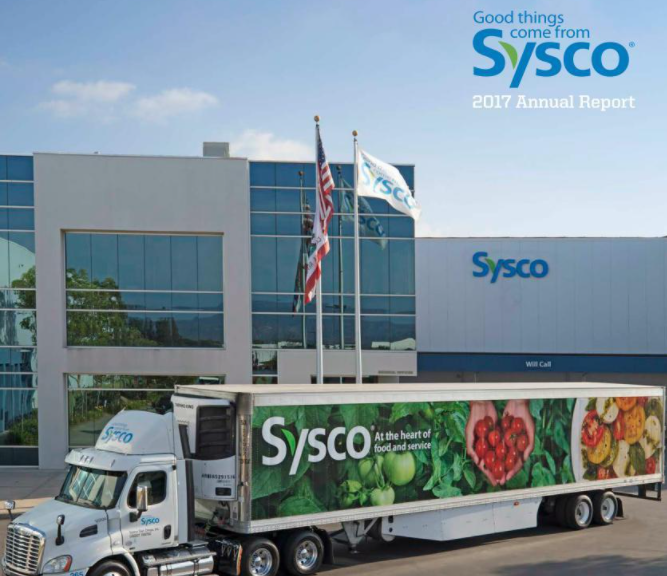
Source : sysco.com
Le principal moteur de profit des entreprises de distribution alimentaire repose sur un modèle de « faible marge, rotation élevée ». Contrairement aux entreprises technologiques qui misent sur des marges élevées, les plateformes de distribution se concentrent sur l’efficacité logistique, les économies d’échelle dans les achats et la gestion de la chaîne d’approvisionnement.
Pour Sysco, l’entreprise achète des produits en gros auprès des fabricants, puis les revend aux restaurants, hôtels et établissements institutionnels via son réseau d’entreposage et de distribution. Le profit provient généralement de la différence entre les prix d’achat et de vente, ainsi que des frais de livraison.
En outre, le secteur de la restauration collective repose fortement sur des relations de long terme avec les clients. Les restaurants ayant besoin d’un approvisionnement quotidien stable, les plateformes génèrent des commandes récurrentes.
D'un point de vue sectoriel, l’avantage décisif d’une plateforme de distribution ne réside pas seulement dans la vente de nourriture, mais dans la construction d’un réseau de chaîne d’approvisionnement extrêmement efficace.
Les principales sources de revenus de Sysco
Les revenus de Sysco proviennent essentiellement de la vente de produits alimentaires, de la livraison par chaîne du froid, des services de chaîne d’approvisionnement Foodservice et des produits de marque propre. Sa clientèle comprend restaurants, hôtels, écoles, hôpitaux et cafétérias d’entreprise.
| Source de revenus |
Logique centrale |
| Vente de produits alimentaires |
Achats et distribution à grande échelle |
| Logistique de la chaîne du froid |
Transport à température contrôlée |
| Marque propre |
Augmentation des marges bénéficiaires |
| Services de chaîne d’approvisionnement Foodservice |
Partenariats clients à long terme |
| Entreposage et distribution |
Système logistique à rotation élevée |
La distribution alimentaire constitue la source de revenus la plus importante. Les restaurants nécessitent de grands volumes de produits frais, surgelés et de condiments ; Sysco assure un approvisionnement unifié grâce à son entreposage et sa logistique évolutifs.
Les produits de marque propre sont également un moteur de profit clé. De nombreuses grandes plateformes lancent leurs propres marques pour améliorer leurs marges et fidéliser leur clientèle.
Au fond, le modèle économique de Sysco ne consiste pas à vendre des produits individuels, mais à entretenir des relations clients durables par le biais de services de chaîne d’approvisionnement.
Fonctionnement de la chaîne d’approvisionnement Foodservice
La chaîne d’approvisionnement moderne relie les producteurs aux restaurants finaux via de grands centres de distribution. La plupart des aliments ne transitent pas directement de l’usine au restaurant : ils entrent d’abord dans des entrepôts régionaux, puis sont distribués par des réseaux de livraison.
Ce système améliore l’efficacité globale de la distribution. Les grandes plateformes regroupent différentes catégories d’aliments et les livrent en une seule expédition.
Le secteur exige également une grande ponctualité de livraison. De nombreux restaurants disposent d’un espace de stockage limité et ont besoin de réapprovisionnements fréquents ; les plateformes doivent donc disposer d’une logistique stable.
Structurellement, la chaîne d’approvisionnement Foodservice américaine est une opération hautement évolutive, standardisée et axée sur les données.
L’importance de la logistique de la chaîne du froid
La logistique de la chaîne du froid est l’une des infrastructures les plus critiques de la Foodservice. De nombreux produits étant frais, surgelés ou à courte durée de conservation, le contrôle de la température pendant le transport et le stockage affecte directement leur qualité.
Pour Sysco, les capacités de la chaîne du froid déterminent non seulement l’efficacité des livraisons, mais aussi la sécurité alimentaire et la fidélisation des clients. Une défaillance peut perturber les opérations des restaurants.
Cette logistique coûte également plus cher que la logistique standard. Les entreprises doivent maintenir des entrepôts frigorifiques, des camions réfrigérés et des systèmes de contrôle de la température, ce qui exige une grande efficacité opérationnelle.
D’un point de vue sectoriel, la logistique du froid est devenue un fossé concurrentiel majeur pour les grandes plateformes de distribution.
La logique des achats dans la Foodservice
Le secteur moderne s’appuie de plus en plus sur des achats centralisés, car les opérations des restaurants deviennent plus complexes. Pour les grandes chaînes, un approvisionnement unifié garantit une qualité constante et un contrôle des coûts.
Par exemple, une chaîne nationale a besoin des mêmes ingrédients dans tous ses établissements ; elle dépend donc des grandes plateformes Foodservice pour un approvisionnement centralisé.
Les achats centralisés réduisent également la complexité de la gestion des stocks. Les restaurants n’ont pas à coordonner des dizaines de fournisseurs : ils peuvent tout gérer via une seule plateforme.
Sur le plan commercial, le système d’achat Foodservice repose fondamentalement sur une « efficacité opérationnelle évolutive ».
Pourquoi l’échelle est cruciale dans la distribution alimentaire
L’échelle est l’un des avantages concurrentiels les plus importants. Dans un secteur à faible marge, les plateformes doivent améliorer leur efficacité grâce à des volumes d’achat plus importants et une densité de livraison plus élevée.
Pour Sysco, un réseau d’entreposage et de distribution national réduit les coûts de transport unitaires et renforce le pouvoir de négociation.
L’échelle améliore aussi la fidélisation des clients. Les plateformes plus grandes offrent une sélection plus complète d’UGS (unité de gestion de stock) et un approvisionnement plus fiable.
En conséquence, le secteur de la restauration collective présente un net « effet d’échelle » : plus la plateforme est grande, plus ses avantages en matière d’efficacité logistique et d’achats sont forts.
Structure des coûts d’entreposage et de distribution
L’entreposage et la distribution figurent parmi les postes de coûts les plus élevés de la Foodservice. La grande variété de produits et la gestion du froid rendent la complexité opérationnelle bien supérieure à celle de la logistique de détail classique.
Par exemple, les plateformes de distribution doivent :
- Établir des centres d’entreposage régionaux
- Maintenir des installations de réfrigération et de congélation
- Gérer les flottes de transport
- Contrôler le gaspillage des stocks
- Atteindre les objectifs de ponctualité
Les variations des prix du carburant, des coûts de main‑d’œuvre et des loyers des entrepôts ont un impact direct sur les marges.
Structurellement, la Foodservice est un cas classique de « coûts opérationnels élevés + exigences d’efficacité élevées de la chaîne d’approvisionnement ».
Dynamique des profits dans la Foodservice
Malgré son ampleur massive, le secteur affiche généralement des marges bénéficiaires faibles. La concurrence intense et la pression persistante des coûts logistiques, d’entreposage et d’achat maintiennent les marges minces.
La véritable force des grandes plateformes réside donc dans l’amélioration de l’efficacité opérationnelle et de la rétention des clients. Elles comptent sur des contrats à long terme, des commandes stables et une logistique évolutive pour soutenir leurs profits.
Les systèmes numériques transforment également les opérations. De plus en plus d’entreprises utilisent l’IA et l’analyse de données pour optimiser les stocks, les itinéraires de livraison et la prévision de la demande.
À l’avenir, le secteur devrait évoluer vers une « logistique automatisée + chaînes d’approvisionnement numériques + gestion des achats par IA ». Les grandes plateformes comme Sysco resteront une infrastructure essentielle du système Foodservice américain.
Résumé
Le modèle économique de SYY (Sysco) combine « achats alimentaires + logistique d’entreposage + services de chaîne d’approvisionnement Foodservice ». Contrairement aux détaillants classiques, Sysco mise sur une distribution évolutive et des relations à long terme avec les restaurants.
L’évolution du secteur de la restauration collective américain reflète également une dépendance croissante aux chaînes d’approvisionnement professionnelles. Grâce aux progrès de la logistique du froid, de l’entreposage automatisé et des achats numériques, la distribution alimentaire continuera de gagner en efficacité et axée sur les données.
FAQ
Qu’est-ce que SYY (Sysco) ?
SYY est le code boursier de Sysco Corporation, une entreprise américaine de distribution de services alimentaires.
Comment Sysco gagne‑t‑il de l’argent ?
Grâce à la vente de produits alimentaires, à l’entreposage et à la distribution, et aux services de chaîne d’approvisionnement Foodservice.
Qu’est-ce que le secteur de la restauration collective ?
Il désigne le système qui fournit de la nourriture et des services associés aux restaurants, hôtels, écoles et institutions.
Pourquoi la logistique de la chaîne du froid est‑elle importante ?
Parce que de nombreux produits frais ou surgelés nécessitent un transport et un stockage à température stable et contrôlée.
Les marges bénéficiaires du secteur de la Foodservice sont‑elles élevées ?
Généralement non ; les marges sont faibles, le secteur privilégie donc l’échelle et l’efficacité opérationnelle.
Quelle est la différence entre Sysco et Costco ?
Sysco dessert les entreprises de restauration collective, tandis que Costco se concentre sur la vente au détail grand public et l’adhésion à des entrepôts.