Bluesky запустил бета-версию в 2023 году и преодолел отметку в 10 млн зарегистрированных пользователей примерно за 20 месяцев открытого тестирования. По мере того как всё больше пользователей начали уделять внимание конфиденциальности данных, алгоритмам рекомендации рекламы и контролю со стороны платформы, «децентрализованные социальные сети» стали одним из ключевых направлений интернет-индустрии, привлекая к Bluesky значительное внимание как со стороны технологического сообщества, так и криптосообщества.
Однако истинное значение Bluesky выходит далеко за рамки запуска нового социального приложения. На более глубоком отраслевом уровне его цель — переопределить базовую структуру социальных медиа, позволяя пользователям, разработчикам и сообществам строить социальную экосистему на открытом протоколе, а не полагаться исключительно на одну компанию-платформу.

Источник: bsky.app
Что такое Bluesky?
Bluesky по сути представляет собой социальное приложение, похожее на X (Twitter) и Facebook, но его базовая архитектура принципиально отличается от традиционных социальных платформ. Традиционные платформы централизованно управляют пользовательскими идентификаторами, контентом и алгоритмами, тогда как Bluesky стремится построить открытую социальную сеть с помощью «AT Protocol».
«AT Protocol» — это открытый социальный протокол, который позволяет различным социальным приложениям обмениваться пользовательскими идентификаторами, социальными связями и структурами данных. Другими словами, пользователи больше не будут привязаны к одной платформе — они смогут переносить свои аккаунты и контент между разными приложениями.
С отраслевой точки зрения, Bluesky воплощает тенденцию «протоколизации социальных сетей». В прошлом платформы контролировали пользовательские данные и трафик. Сегодня всё больше разработчиков исследуют модели «открытых социальных протоколов» и «права собственности пользователей на данные», стремясь вернуть интернету открытую сетевую структуру.
Как работает Bluesky: как AT Protocol строит социальную сеть
Вся система Bluesky построена на «принципах работы AT Protocol». Этот протокол предоставляет пользователям независимые идентификаторы и управляет социальными данными через открытую архитектуру. В отличие от традиционных платформ, Bluesky не опирается на единую базу данных. AT Protocol разбивает системы идентификации, хранения данных, рекомендации контента и модерации на отдельные модули, позволяя сторонним разработчикам участвовать в построении экосистемы.
Например, данные пользователя могут управляться Personal Data Server (PDS), а рекомендации контента могут поступать от различных «Feed Generators». Это означает, что пользователи могут не только переключать клиенты, но и свободно выбирать алгоритмы ленты и службы модерации контента.
Основная цель такой структуры — снизить контроль платформы над отношениями пользователей и данными. В результате Bluesky — это скорее «открытый протокол социальной сети», чем просто ещё одно социальное приложение.
Пользовательские ленты Bluesky и выбор алгоритмов
В традиционных социальных медиа алгоритмы рекомендаций односторонне контролируются платформой. Платформы рекомендуют контент на основе рекламы, вовлеченности и времени пребывания пользователя, оставляя пользователям мало информации о базовой логике. Bluesky утверждает, что проблема не в «алгоритмах» как таковых, а в непрозрачных алгоритмах «чёрного ящика», контролируемых централизованными платформами. Именно поэтому Bluesky вводит концепцию «открытого рынка алгоритмов», предоставляя пользователям больше свободы в выборе контента.
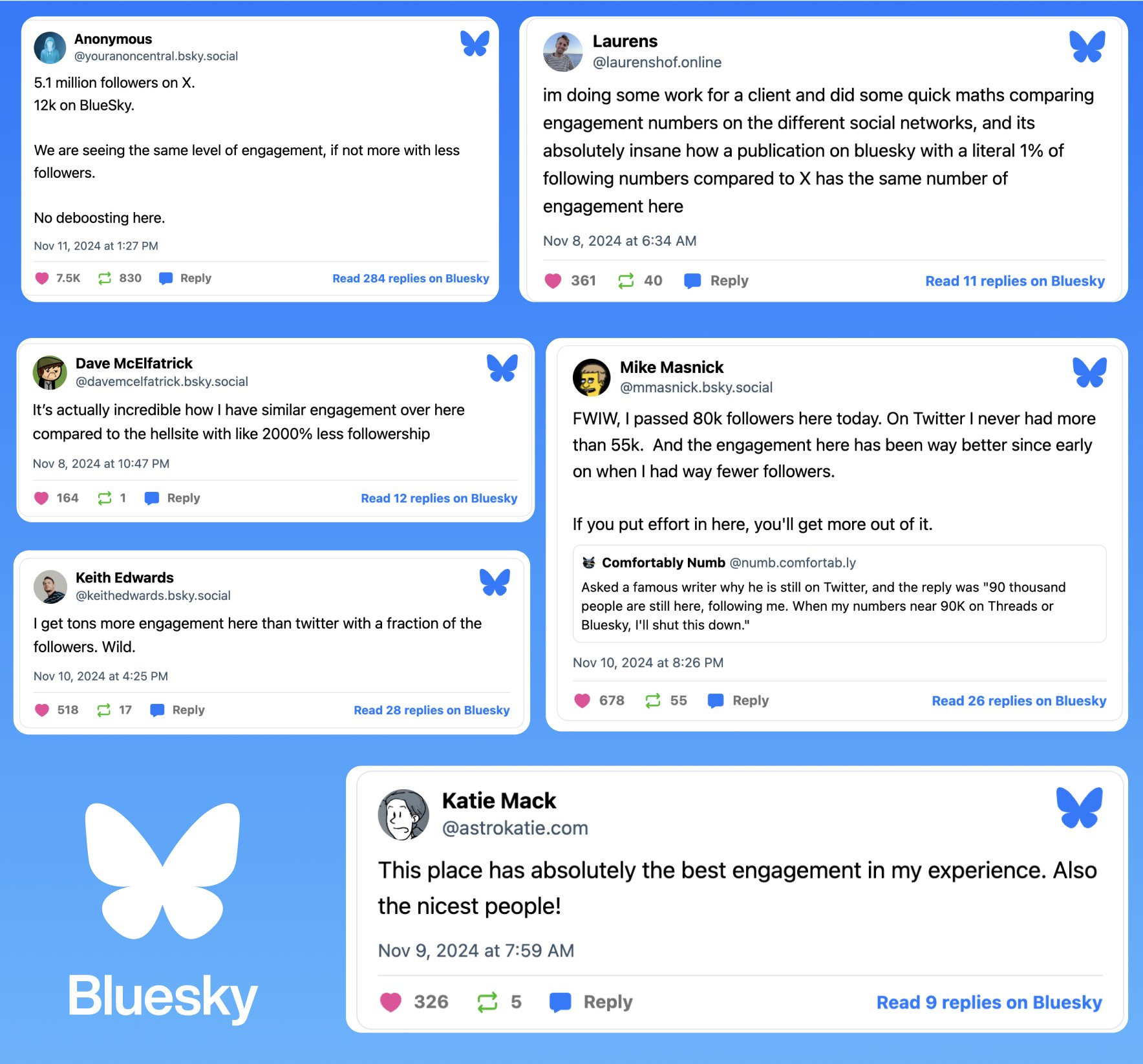
В настоящее время Bluesky поддерживает десятки тысяч «пользовательских лент». Пользователи могут просматривать ленту аккаунтов, на которые они подписаны, а также подписываться на ленты по конкретным темам, таким как технологии, искусство, криптовалюты или контент сообществ.
В то же время «алгоритм ленты Bluesky» позволяет любому разработчику создать собственную систему рекомендаций. Это означает, что пользователи однажды смогут выбирать алгоритмы, исходя из своих собственных потребностей, а не позволять платформе диктовать распределение контента.
Источник: bsky.app
Суверенитет данных пользователей Bluesky и Personal Data Server (PDS)
«Суверенитет данных пользователей» — одна из ключевых концепций Bluesky. На традиционных платформах посты пользователей, отношения подписок и данные о взаимодействиях централизованно контролируются платформой. В Bluesky данные пользователей хранятся в Personal Data Server (PDS), и пользователи теоретически могут размещать свои данные самостоятельно.
В рамках AT Protocol каждый пользователь имеет независимое хранилище данных. Их посты, лайки, подписки и взаимодействия становятся записями в этом хранилище. Эти записи хранятся в определённой структуре данных, формируя полный «социальный граф». Bluesky также позволяет пользователям переносить свои данные и идентификатор, то есть они могут сохранить свои аккаунты и социальные связи даже при смене поставщика услуг или клиента.
С точки зрения развития интернета, «децентрализованные системы идентификации» и «право собственности пользователей на данные» становятся ключевыми направлениями для социальных сетей следующего поколения, и Bluesky является одним из главных представителей этой тенденции.
Как работают модерация контента и службы маркировки Bluesky
Модерация контента всегда была одним из самых спорных аспектов социальных платформ. Bluesky пытается перепроектировать эту систему с помощью «модульного механизма модерации». В AT Protocol модерация контента не является исключительной обязанностью платформы; она разделена на независимые модули. Например, «Labelers» могут классифицировать и маркировать контент, а «Feed Generators» решают, какие посты появляются в конкретных лентах.
Такая структура позволяет разным сообществам выбирать собственные правила модерации. Некоторые сообщества могут отдавать приоритет свободе выражения, тогда как другие могут быть более строги в отношении спама или оскорбительного контента. Пользователи также могут выбирать службы модерации, которым они доверяют. Эта модель «децентрализованной модерации контента» явно отличается от унифицированной модерации традиционных платформ.
Однако у этой открытой системы модерации есть и проблемы. При отсутствии единых стандартов она может увеличить распространение дезинформации и усложнить управление сообществом. Баланс между «открытыми социальными протоколами» и управлением контентом остаётся критически важным вопросом для децентрализованных социальных сетей.
Отношения Bluesky с Web3, блокчейном и децентрализованным интернетом
Многие пользователи связывают Bluesky с Web3 или блокчейн-социальными платформами, но это не одно и то же.
Основой Bluesky является открытый социальный протокол, а не криптовалютная система. Хотя он делает акцент на децентрализованной идентификации и контроле пользовательских данных, он не полагается на традиционный блокчейн как базовую операционную структуру.
Тем не менее, существует связь между «децентрализованной идентификацией (DID)» и концепциями Web3. И Web3, и Bluesky пытаются решить проблему чрезмерной централизации интернет-платформ.
С отраслевой точки зрения, Bluesky тяготеет к направлению «открытых интернет-протоколов», тогда как такие проекты, как Lens и Farcaster, ближе к «социальным протоколам Web3». «Разница между блокчейном и децентрализованными протоколами» — это частая точка путаницы для многих пользователей.
Роль Bluesky в будущей экосистеме социального интернета
Значение Bluesky заключается не только в запуске новой социальной платформы, но и в переопределении базовой структуры социальных медиа.
Исторически социальные платформы контролировались крупными технологическими компаниями, а пользовательские данные, алгоритмы и отношения были централизованно управляемыми. Модель открытого протокола Bluesky направлена на возвращение пользователям контроля над их идентификацией, контентом и системами рекомендаций.
По мере того как всё больше пользователей обращают внимание на рекламные алгоритмы, конфиденциальность данных и управление платформами, «децентрализованные социальные сети» становятся важным направлением для технологической индустрии.
В долгосрочной перспективе Bluesky — это скорее отраслевой эксперимент в области «открытых социальных протоколов». Сможет ли он действительно изменить глобальный ландшафт социальных медиа, остаётся неясным, но он уже заставил всю интернет-индустрию задуматься: должны ли будущие социальные сети строиться на открытых протоколах, а не на закрытых платформах?
Часто задаваемые вопросы
В чем разница между Bluesky и X (Twitter)?
X — это централизованная социальная платформа, тогда как Bluesky делает акцент на открытых социальных протоколах и автономии пользователей.
Что такое AT Protocol?
AT Protocol — это базовый открытый протокол Bluesky для построения социальной сети с переносимыми идентификаторами и открытыми структурами данных.
Использует ли Bluesky блокчейн?
Bluesky не полагается на традиционный блокчейн. Его основа — открытый социальный протокол, а не криптовалютная система.
Что такое Personal Data Server (PDS)?
PDS — это сервер, который хранит пользовательские данные и социальные записи. Теоретически пользователи могут размещать свои социальные данные самостоятельно.
Почему Bluesky поддерживает пользовательские ленты?
Потому что Bluesky хочет, чтобы пользователи могли свободно выбирать алгоритмы рекомендации контента, а не полагаться исключительно на системные настройки платформы по умолчанию.
Является ли Bluesky социальной платформой Web3?
Bluesky имеет некоторое концептуальное пересечение с Web3, но это скорее открытый интернет-протокол, чем типичный блокчейн-социальный проект.