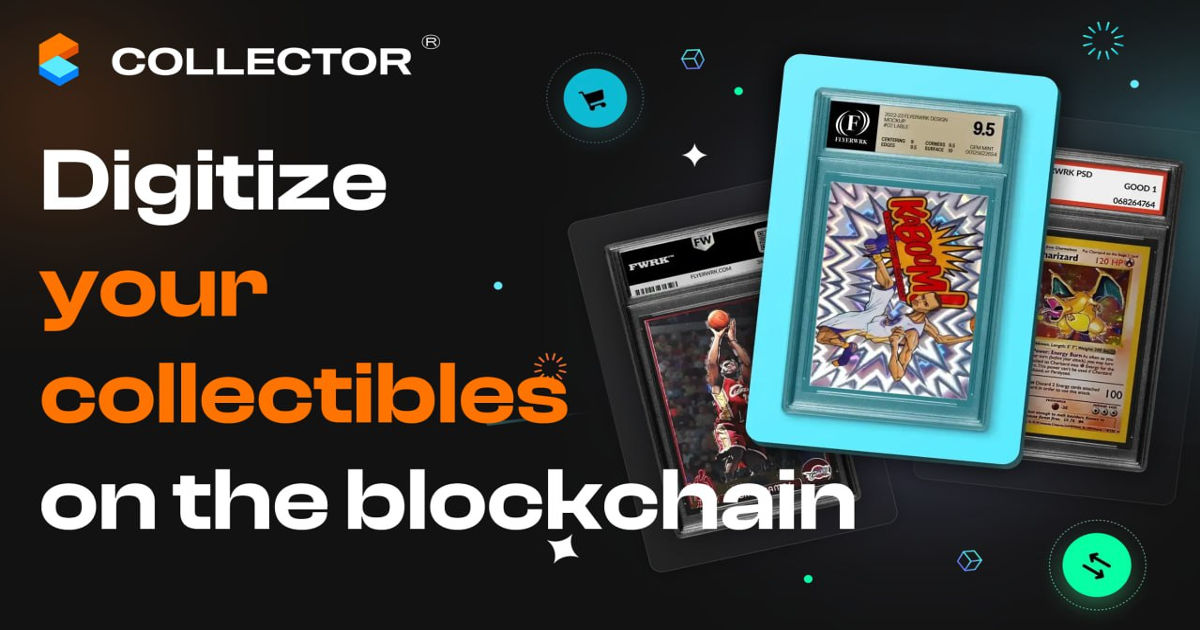
Физические коллекционные предметы долгое время страдали от низкой ликвидности, высоких транзакционных издержек и сложностей при кросс-граничном обороте. С развитием NFT и реальных активов (RWA) всё больше проектов переносят физические активы в блокчейн. Collector Crypt возник именно в рамках этой тенденции, предлагая новое цифровое решение для торговли коллекционными предметами на основе токенизированных карт и ончейн-торговой площадки.
Модель, которую продвигает Collector Crypt, становится ключевой в секторе RWA-коллекций. Будь то карточки покемонов, спортивные трейдинговые карты или другие ценные предметы — слияние цифрового владения с физическими активами меняет то, как коллекционеры участвуют в рынке и как движется стоимость в традиционной сфере.
Как появился Collector Crypt
Рынок коллекционных карт процветает десятилетиями, формируя огромную глобальную торговую экосистему. Карточки покемонов, баскетбольные трейдинговые карты, бейсбольные карты и другие лимитированные коллекции сохраняют стабильную базу коллекционеров и устойчивый спрос.
Технология блокчейна открыла новое цифровое пространство для коллекционных предметов. NFT обеспечивают проверяемые записи права собственности на физические активы в ончейне, а модель RWA углубляет интеграцию между реальными и цифровыми активами.
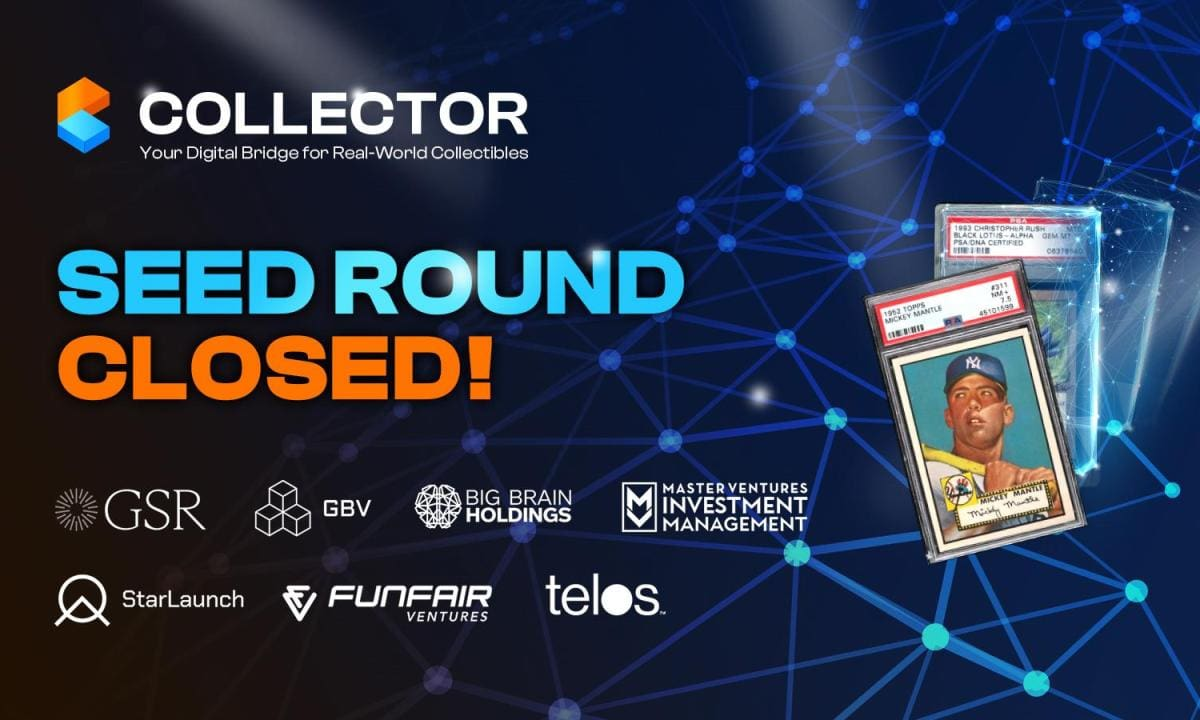
И вот появляется Collector Crypt — реальное воплощение этой тенденции в коллекционировании карт. В феврале 2023 года Collector Crypt завершил посевной раунд с участием таких инвесторов, как GSR, Big Brain Holdings, FunFair Ventures, Genesis Block Ventures, Master Ventures Investment Management, StarLaunch и Telos. Точная сумма не раскрывается.
Как Collector Crypt токенизирует физические карты
Ключевая инновация Collector Crypt — превращение физических карт в торгуемые ончейн-активы.
Пользователи отправляют подходящие коллекционные карты, а платформа занимается их аутентификацией, регистрацией и хранением. Физические активы размещаются в профессиональных хранилищах, а соответствующие NFT минтингуются в ончейне — они служат цифровым подтверждением права собственности на физический предмет.
Такая модель разделяет право собственности и физическое обладание. Держатели могут торговать, никогда не пересылая карту, а блокчейн фиксирует каждую смену владельца.
По сравнению с традиционными рынками, токенизированные коллекционные карты обеспечивают более высокую торговую эффективность и значительно снижают логистические издержки и издержки доверия при трансграничных операциях.
Как работает система хранения Хранилище в Collector Crypt
Хранилище — критически важный компонент экосистемы Collector Crypt.
Все токенизированные физические карты хранятся в профессиональных депозитарных помещениях. На Хранилище возложены задачи сохранности активов, мониторинга состояния, проверки подлинности и управления физическим выкупом.
Благодаря такой схеме хранения держатели NFT могут свободно торговать, не перемещая физические активы. Блокчейн управляет записями о праве собственности, а физические карты остаются в надёжном хранении.
Эта конструкция напоминает модель золотого ETF: профессиональный хранитель держит физический актив, а участники рынка используют цифровые сертификаты для торговли и передачи стоимости.
Что такое Gacha Machine в Collector Crypt?
Gacha Machine — одна из самых характерных особенностей Collector Crypt.
Гача зародилась в японской игровой индустрии как механизм случайного розыгрыша: пользователи покупают «слепые боксы» или наборы, чтобы получить случайные призы. Collector Crypt адаптирует эту концепцию для рынка NFT-коллекционных предметов.
Когда пользователь приобретает Gacha Pack, система случайным образом назначает NFT коллекционных карт различной редкости в соответствии с заданными вероятностями. Разные уровни редкости соответствуют разной рыночной стоимости, воссоздавая азарт вскрытия физической пачки.
Модель Gacha добавляет платформе развлекательный элемент, стимулируя торговую активность и превращая торговлю коллекционными предметами из простых транзакций в игровой опыт.
Как работает Торговая площадка Collector Crypt
Торговая площадка Collector Crypt — основной торговый центр в рамках экосистемы.
Пользователи могут покупать, продавать и хранить токенизированные активы коллекционных карт. NFT выступают цифровыми сертификатами права собственности и свободно обращаются.
По сравнению с традиционными платформами, ончейн-торговая площадка обеспечивает более быстрое расчётное время, прозрачные записи транзакций и глобальный доступ.
Поскольку записи о праве собственности хранятся в блокчейне, участники могут отслеживать происхождение активов, предыдущих держателей и историю транзакций, что значительно повышает прозрачность рынка.
Какую роль играет токен CARDS?
CARDS — это нативный токен экосистемы Collector Crypt.
В основном он используется для стимулирования экосистемы, рыночных транзакций и функциональности платформы. Токен связывает коллекционные активы, сообщество пользователей и экономику платформы, создавая единое средство обмена ценностью.
Чем Collector Crypt отличается от традиционного рынка коллекционных карт?
И Collector Crypt, и традиционные рынки обслуживают коллекционеров и трейдеров, но их операционные модели существенно различаются.
| Аспект сравнения |
Collector Crypt |
Традиционный рынок коллекционных предметов |
| Форма владения |
Цифровой сертификат NFT |
Физическое владение |
| Способ торговли |
Ончейн |
Офлайн или централизованная платформа |
| Скорость расчётов |
Высокая |
Низкая |
| Глобальный доступ |
24/7 без ограничений |
Ограничен географией |
| Верификация активов |
Ончейн-записи |
Ручные проверки |
| Ликвидность |
Цифровая торговая площадка |
Фрагментированный рынок |
Традиционные рынки сильно зависят от логистики и физической доставки. Collector Crypt использует блокчейн для оцифровки права собственности и повышения рыночной ликвидности.
С какими рисками и вызовами сталкивается Collector Crypt?
Хотя токенизация коллекционных предметов инновационна, модель сопряжена с рядом вызовов.
Первый — риск хранения. Стоимость NFT зависит от того, что физический актив действительно существует и надёжно хранится, поэтому надёжность системы Хранилище критична.
Далее — риск ликвидности. Рынок коллекционных предметов относительно нишевый, и спрос сильно варьируется между разными картами. Некоторые активы могут страдать от низкой торговой активности.
Кроме того, долгосрочная привлекательность механизма Gacha, цикличность рынка NFT и устойчивость токеномики будут влиять на рост и стабильность экосистемы.
Итоги
Collector Crypt — это Web3-платформа, посвящённая токенизации физических коллекционных карт. Объединяя хранение Vault, NFT-маппинг права собственности, механизм Gacha и ончейн-маркетплейс, она создаёт целостную экосистему для торговли коллекционными предметами. Платформа нацелена на решение проблем традиционного рынка: нехватки ликвидности, низкой торговой эффективности и сложностей кросс-граничного обращения.
Часто задаваемые вопросы
Какие коллекционные предметы поддерживает Collector Crypt?
Collector Crypt фокусируется на рынке коллекционных карт, включая карточки покемонов, спортивные трейдинговые карты и другие сертифицированные высокоценные трейдинговые карты.
Могут ли держатели NFT получить физические карты?
Да. Каждый NFT на Collector Crypt соответствует физической карте, находящейся на хранении. В соответствии с правилами платформы держатели могут запросить выкуп физического коллекционного предмета.
Что делает Gacha Machine?
Gacha Machine — это система случайного открытия паков в Collector Crypt. Пользователь покупает Gacha Pack и получает NFT коллекционных карт разной редкости в зависимости от вероятности — игровой опыт, аналогичный открытию реальной пачки карт.
Для чего используется токен CARDS?
CARDS — это нативный токен экосистемы Collector Crypt. Он используется для стимулирования платформы, участия в экосистеме, поддержки транзакций и других приложений, связанных с рынком коллекционных предметов.