Dalam industri pemeringkatan kredit global, Moody's, S&P Global Ratings, dan Fitch Ratings telah lama mendominasi pasar. Di antaranya, MCO (Moody's) menonjol sebagai salah satu lembaga pemeringkat kredit paling berpengaruh di dunia, berbekal pengalaman pemeringkatan selama lebih dari satu abad, basis data raksasa, serta kepercayaan pasar yang luas.
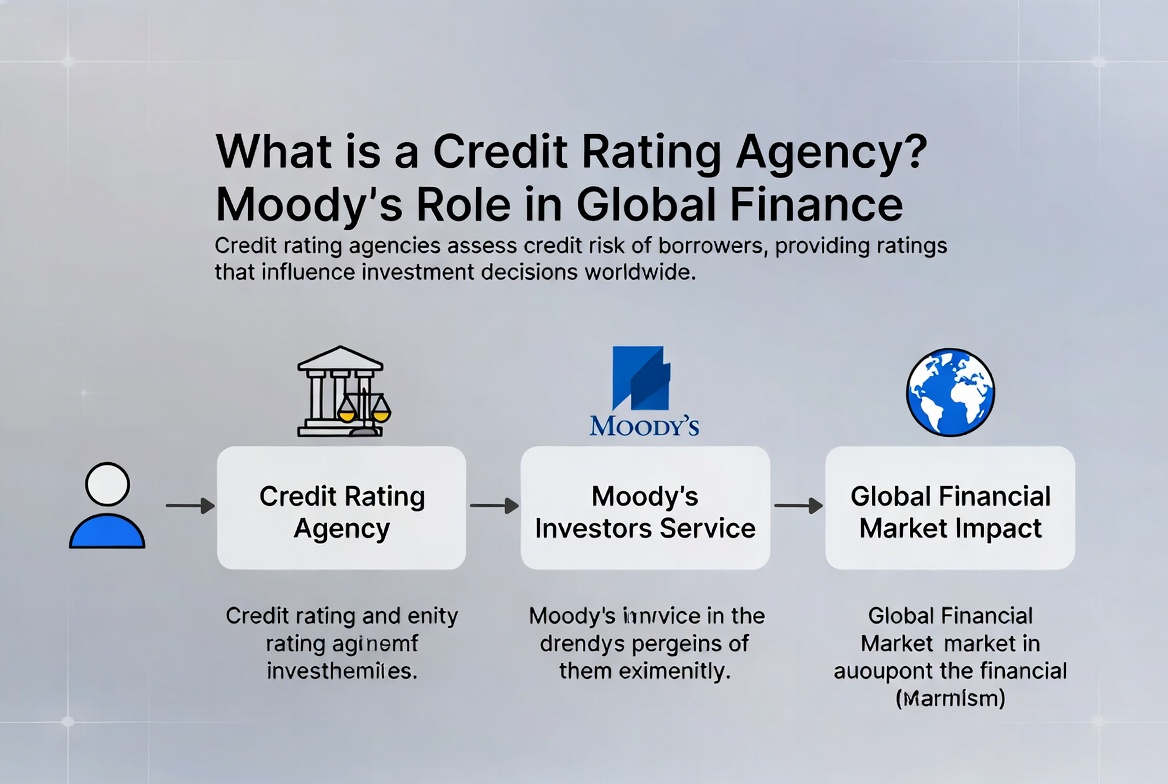
Apa Itu Lembaga Pemeringkat Kredit?
Tugas utama lembaga pemeringkat kredit adalah menilai kualitas kredit peminjam dan menyajikan tingkat risiko gagal bayar melalui kerangka pemeringkatan yang terstandarisasi.
Ketika perusahaan menerbitkan obligasi, bank menerbitkan instrumen utang, atau pemerintah mencari pendanaan, investor sering tidak memiliki akses langsung ke profil risiko sebenarnya dari penerbit. Lembaga pemeringkat kredit menjembatani kesenjangan ini dengan memberikan opini kredit independen yang didasari oleh analisis keuangan, penelitian industri, dan penilaian risiko.
Perlu dicatat, peringkat kredit bukanlah rekomendasi investasi—melainkan alat ukur risiko. Peringkat yang lebih tinggi biasanya menandakan risiko gagal bayar yang rendah, sedangkan peringkat yang lebih rendah menunjukkan potensi risiko yang lebih besar.
Peringkat kredit telah menjadi fondasi utama pasar obligasi global dan banyak digunakan dalam investasi pendapatan tetap.
Bisnis Inti MCO (Moody's)
MCO adalah kode saham Moody's Corporation. Moody's saat ini menjalankan dua segmen bisnis utama:
| Segmen Bisnis |
Fokus Utama |
| Moody's Investors Service (MIS) |
Jasa pemeringkatan kredit |
| Moody's Analytics (MA) |
Analisis risiko dan layanan data |
Bisnis pemeringkatan kredit mencakup penilaian obligasi korporasi, obligasi lembaga keuangan, obligasi daerah, dan utang negara.
Sementara itu, bisnis analisis risiko menyediakan platform data, model risiko, dan alat analitik untuk bank, perusahaan asuransi, manajer aset, serta perusahaan besar.
Seiring digitalisasi pasar keuangan, segmen analitik dan perangkat lunak kini menjadi motor pertumbuhan utama bagi Moody's.
Bagaimana Peringkat Kredit Mempengaruhi Biaya Pendanaan
Peringkat kredit secara langsung menentukan biaya pendanaan bagi penerbit utang.
Saat membeli obligasi, investor mengharapkan keuntungan yang sesuai dengan tingkat risiko. Peringkat kredit yang lebih tinggi umumnya berarti premi risiko yang lebih rendah, sehingga penerbit bisa meminjam dengan suku bunga yang lebih kecil.
Sebaliknya, peringkat yang lebih rendah membuat pasar menuntut imbal hasil yang lebih tinggi sebagai kompensasi, sehingga meningkatkan biaya pendanaan.
Contoh:
| Peringkat Kredit |
Persepsi Risiko Pasar |
| Aaa |
Risiko sangat rendah |
| Aa |
Risiko rendah |
| A |
Risiko menengah rendah |
| Baa |
Batas bawah investment-grade |
| Ba dan di bawahnya |
Kelas spekulatif |
Bagi perusahaan besar, satu perubahan peringkat saja bisa memengaruhi biaya bunga atas utang bernilai miliaran dolar. Inilah sebabnya peringkat kredit menjadi mekanisme penemuan harga yang sangat penting di pasar modal.
Bagaimana Moody's Menilai Risiko Kredit Perusahaan
Dalam menilai risiko kredit perusahaan, Moody's mengkaji secara menyeluruh kekuatan keuangan, dinamika industri, dan stabilitas operasional. Metrik keuangan utama meliputi:
- Pertumbuhan pendapatan
- Profitabilitas
- Kualitas arus kas
- Tingkat utang
- Kemampuan membayar utang
Selain angka-angka tersebut, Moody's juga menelaah tren industri, lanskap persaingan, dan risiko regulasi.
Untuk perusahaan di industri siklis, lembaga ini memberi bobot lebih pada ketahanan selama masa resesi.
Untuk lembaga keuangan, fokus beralih ke kecukupan modal, likuiditas, dan kualitas aset.
Karena peringkat kredit mencerminkan probabilitas gagal bayar di masa depan, Moody's tidak hanya melihat kinerja saat ini, tetapi juga menilai stabilitas jangka panjang.
Peringkat Negara vs. Peringkat Perusahaan: Perbedaan Utama
Baik peringkat negara maupun peringkat perusahaan adalah bagian penting dari sistem pemeringkatan kredit, namun kerangka evaluasinya sangat berbeda.
Peringkat perusahaan berfokus pada kemampuan perusahaan menghasilkan arus kas dan melunasi utang.
Sementara itu, peringkat negara menilai risiko kredit suatu negara.
Peringkat negara biasanya mempertimbangkan:
- Kesehatan fiskal
- Tingkat utang pemerintah
- Potensi pertumbuhan ekonomi
- Cadangan devisa
- Stabilitas politik
- Lingkungan kebijakan moneter
Karena negara berdaulat bisa memungut pajak dan mengendalikan mata uangnya, kerangka analisisnya berbeda dari peringkat perusahaan.
Investor internasional kerap mengandalkan peringkat negara untuk mengukur risiko keseluruhan pasar obligasi suatu negara.
Mengapa Moody's Masuk Tiga Besar Lembaga Pemeringkat Global
Dominasi pasar Moody's yang langgeng berasal dari hambatan alami dalam bisnis pemeringkatan kredit.
Aset paling kritis di industri ini bukanlah teknologi—melainkan kepercayaan.
Hasil pemeringkatan hanya akan memengaruhi keputusan pendanaan dan investasi jika diterima secara luas. Oleh karena itu, reputasi merek yang sudah mapan menjadi keunggulan kompetitif paling utama.
Moody's juga memiliki:
- Lebih dari 100 tahun sejarah pemeringkatan
- Basis data global penerbit utama
- Kerangka penelitian kredit yang komprehensif
- Tim yang mencakup banyak negara dan industri
Sumber daya ini memungkinkan Moody's terus memperluas pengaruhnya di pasar pemeringkatan dan analisis risiko.
Saat ini, Moody's, S&P Global, dan Fitch masih mendominasi pasar pemeringkatan kredit global dengan tingkat konsentrasi yang tetap tinggi.
Cara Membeli Saham MCO (Moody's)
MCO tercatat di Bursa Efek New York dan merupakan salah satu perusahaan publik paling ikonik di industri pemeringkatan kredit.
Investor bisa membeli saham MCO melalui broker tradisional untuk mendapatkan eksposur terhadap kinerja perusahaan serta peluang pasar modal yang lebih luas.
Di luar pasar konvensional, beberapa platform aset digital menawarkan CFD yang terkait dengan harga saham AS. Misalnya, pasar CFD Gate mendukung kontrak untuk perbedaan (CFD) ekuitas AS tertentu, sehingga pengguna dapat memperdagangkan pergerakan harga menggunakan aset digital.
CFD adalah derivatif dengan leverage yang memiliki profil risiko berbeda dari kepemilikan saham langsung. Sebelum bertransaksi, pastikan Anda memahami sepenuhnya mekanisme produk dan risiko yang melekat.
Ringkasan
Lembaga pemeringkat kredit adalah institusi penilai risiko yang esensial di pasar modal global. Peran utamanya adalah mengukur kualitas kredit penerbit utang dan mengurangi ketimpangan informasi. Sebagai salah satu dari tiga lembaga pemeringkat teratas dunia, MCO (Moody's) membentuk pasar obligasi global melalui layanan pemeringkatan kredit, analisis risiko, dan data keuangan. Mulai dari pendanaan korporasi, manajemen risiko bank, hingga keputusan investasi institusional, sistem evaluasi kredit Moody's telah menjadi infrastruktur yang tak tergantikan di keuangan modern.
FAQ
Apa itu lembaga pemeringkat kredit?
Lembaga pemeringkat kredit adalah organisasi independen yang menilai risiko kredit perusahaan, pemerintah, dan lembaga keuangan, lalu memberikan peringkat yang mengukur kemungkinan gagal bayar.
Layanan apa saja yang ditawarkan Moody's?
Moody's menyediakan jasa pemeringkatan kredit, platform analisis risiko, produk data keuangan, serta solusi manajemen risiko perusahaan.
Mengapa peringkat kredit memengaruhi biaya pendanaan?
Peringkat kredit mencerminkan risiko kredit penerbit. Peringkat yang lebih tinggi biasanya berarti premi risiko yang lebih rendah dari investor, sehingga menekan biaya pinjaman.
Apa arti Aaa dalam sistem pemeringkatan Moody's?
Aaa adalah peringkat tertinggi Moody's, yang menunjukkan kapasitas pembayaran sangat kuat dan risiko gagal bayar sangat rendah.
Apa perbedaan Moody's dengan S&P Global?
Moody's lebih fokus pada pemeringkatan kredit dan analisis risiko, sedangkan S&P Global juga menjalankan bisnis indeks dan data pasar berskala besar di samping jasa pemeringkatan.
Apakah peringkat kredit sama dengan saran investasi?
Tidak. Peringkat kredit bukan saran investasi, melainkan alat ukur risiko gagal bayar. Keputusan investasi juga harus mempertimbangkan valuasi, kondisi pasar, dan tujuan investasi.