As traditional e-commerce evolves toward digitalization and immersive experiences, users are raising expectations for product ownership, virtual displays, and interactive engagement. Highstreet addresses these demands by leveraging blockchain technology and virtual world integration, combining shopping and gaming into a single ecosystem.
This topic typically covers platform architecture, operational mechanisms, token utility, product mapping, and ecosystem participants. Together, these components define Highstreet’s operational framework.
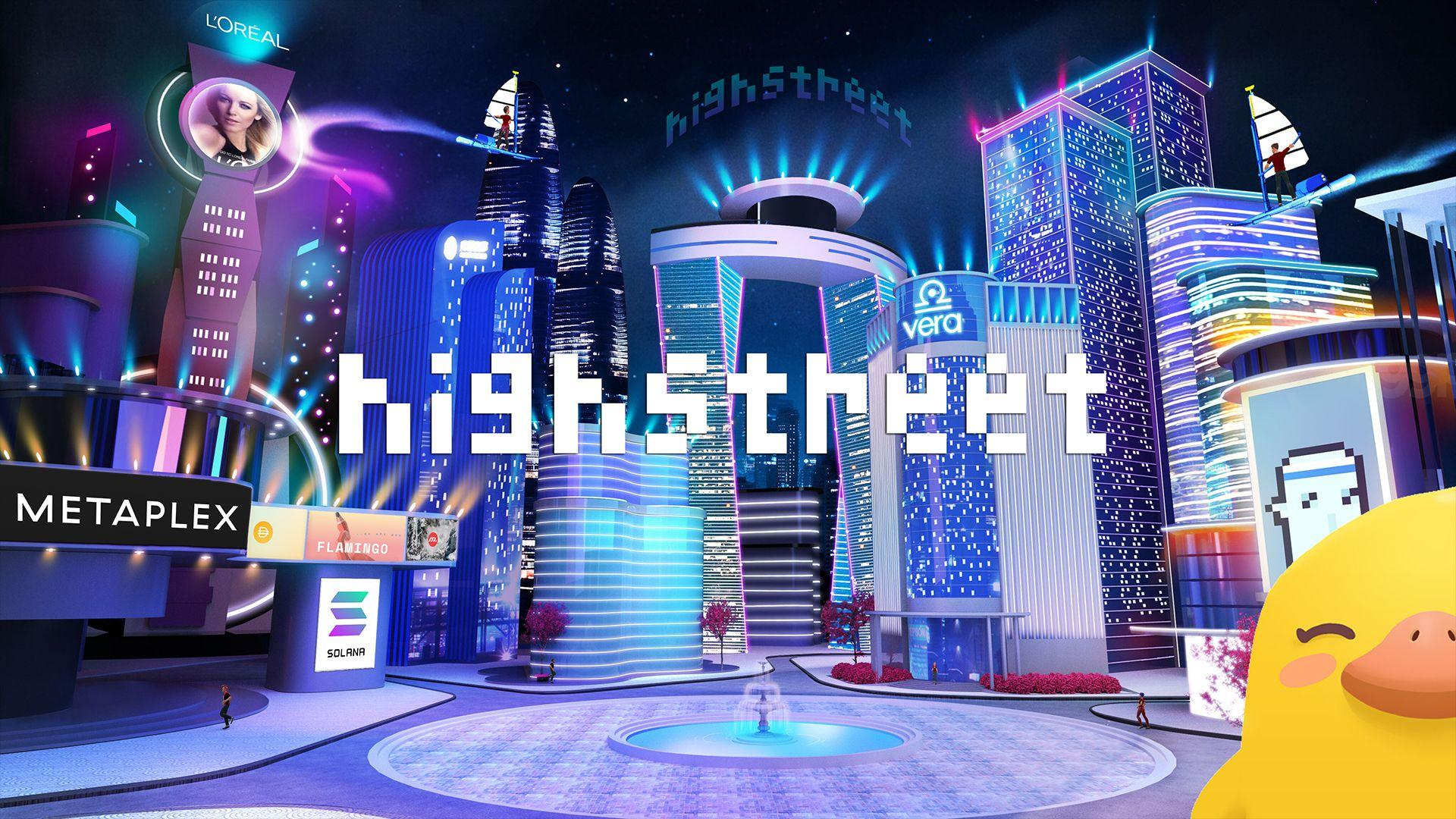
What Is Highstreet (HIGH)?
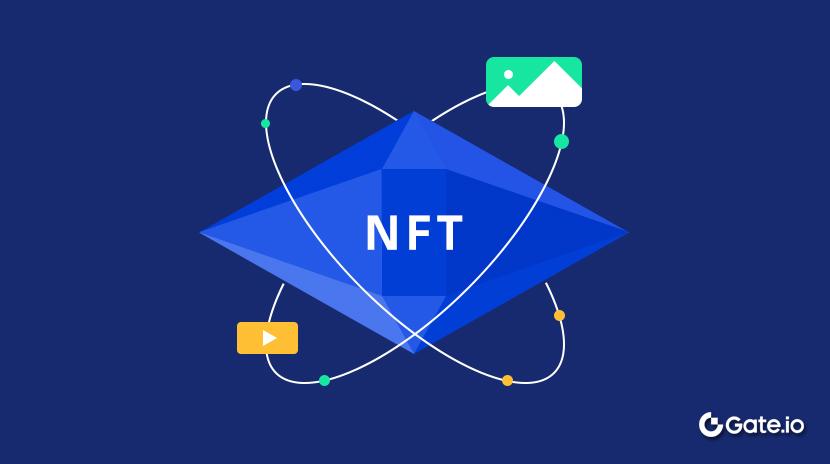
Highstreet is a metaverse e-commerce platform that integrates virtual reality and blockchain, centering on the mapping of real-world products as tradable NFT assets.
Structurally, Highstreet is more than just a virtual environment—it’s an all-in-one platform combining e-commerce systems, gaming elements, and digital asset infrastructure. Users can browse products in a virtual space, purchase, and own NFTs linked to real-world items.
Its operational logic relies on digital asset verification, transforming products from mere displays to on-chain assets with ownership properties. This approach shifts the traditional role of products in e-commerce from simple transaction objects to digital assets users truly own.
The significance of this model is its ability to connect real-world consumption with virtual asset systems, broadening the scope and value proposition of e-commerce.
How Highstreet Works: Virtual Reality and Blockchain Integration
Highstreet operates through the combined power of virtual reality and blockchain technology, enabling product display and transactions in a digital environment.
On the technical side, virtual reality creates an immersive setting where users enter the platform as avatars and interact with products. Blockchain records product ownership and transaction activity, ensuring each asset’s uniqueness and verifiability.
When users browse products in the virtual world, they are essentially viewing the corresponding NFT assets. Upon purchase, ownership is transferred on-chain and tied to the real-world product.
This mechanism gives Highstreet both gamified experiences and e-commerce functionality, resulting in a multi-faceted platform.
The Role and Functions of HIGH Tokens in the Ecosystem
HIGH tokens are at the heart of Highstreet’s ecosystem, serving as payment, incentives, and governance tools.
HIGH is primarily used for purchasing virtual and real-world products, rewarding user participation in platform activities, and enabling holders to influence platform governance.
As a value medium, HIGH connects participants: users pay with tokens, creators and brands receive revenue, and the platform manages distribution according to established rules.
This structure allows HIGH to play a role in both transactions and ecosystem regulation, sustaining platform operations.
How Virtual Goods and Real-World E-Commerce Are Integrated in Highstreet
Highstreet’s key innovation is the two-way binding of virtual goods and real products, achieved through NFT asset mapping.
Within this system, real-world products are mapped to NFTs. When users purchase NFTs in the virtual world, they acquire ownership of the actual product. These NFTs serve as both display/trade assets and proof of ownership for the real item.
This process involves product digitization, NFT creation, and binding mechanisms. Smart contracts ensure the integrity and reliability of the relationship between products and NFTs.
This integrated model changes the one-way transaction logic of traditional e-commerce, giving products both real-world and digital asset value—expanding their use cases.
Primary Use Cases and Modes of Highstreet
Highstreet’s main use cases include virtual shopping, brand showcasing, and gaming interaction.
For virtual shopping, users enter digital storefronts, browse products, and purchase through avatar-based interactions. Brands can establish virtual stores to showcase products and increase user engagement. On the gaming side, users participate in tasks or events to earn rewards and access content.
All these scenarios blend consumer behavior with interactive experiences, making users both buyers and participants.
This structure boosts user engagement and helps the platform sustain a continuous cycle of content and consumption.
Highstreet vs. Sandbox
Highstreet and Sandbox represent two distinct approaches in the metaverse space, with core differences in e-commerce integration and game-driven models.
Highstreet focuses on merging real products with virtual assets using NFTs to digitize e-commerce, while Sandbox centers on user-generated content (UGC) and gaming, building a virtual economy.
This distinction impacts their architecture, operation, and user engagement strategies.
| Comparison Criteria |
Highstreet |
Sandbox |
| Core Focus |
E-commerce + Metaverse |
Gaming + Metaverse |
| Architecture |
Product Mapping & NFT Binding |
Virtual Land & Asset Systems |
| Operational Model |
Product-Driven Transactions & Consumption |
Content-Driven Gameplay & Interaction |
| Incentive Mechanism |
Purchase & Consumption Driven |
Creation & Participation Driven |
| Asset Attributes |
Dual: Real Products + NFT |
Purely Virtual Assets |
| User Roles |
Consumer + Player |
Creator + Player |
| Ecosystem Priority |
Brand & E-commerce Integration |
UGC Content & Game Experience |
Highstreet brings e-commerce into the metaverse by tying real products to NFTs, making consumption the main driver. Sandbox relies on content creation and gaming interaction, with user participation fueling ecosystem growth.
This difference leads to clear distinctions in use cases and user demographics. Highstreet is closer to a “virtual shopping platform,” while Sandbox resembles an “open-ended gaming world.”
Participants and Value Flow in the Highstreet Ecosystem
Highstreet’s ecosystem is made up of users, brands, creators, and the platform itself, all collaborating to create a value loop.
Users participate through product purchases, brands earn revenue via sales, creators are rewarded for content and environment design, and the platform provides the infrastructure and rules.
The key to value flow is that consumption drives content production, which, in turn, attracts more users, forming a cycle.
This structure enables sustainable growth without relying on any single participant.
Highstreet’s Strengths and Potential Limitations
Highstreet’s main strengths lie in its innovative e-commerce model and asset structure. By combining real products and NFTs, the platform expands product value and enhances user experience with immersive environments.
However, there are limitations, such as high technical barriers, hardware requirements for optimal user experience, and the need for ongoing content and brand engagement to develop the ecosystem.
These factors collectively impact Highstreet’s growth rate and scale.
Summary
Highstreet integrates e-commerce, gaming, and digital assets into one ecosystem using virtual reality and blockchain technology. Its core structure includes product mapping, token mechanics, application scenarios, and ecosystem participants, with value flow driving operation. This model pushes the boundaries of traditional e-commerce but also introduces new technical and ecosystem challenges.
FAQ
What is the Highstreet project?
Highstreet is a metaverse platform combining virtual reality, e-commerce, and blockchain to digitize and trade products.
What is the purpose of HIGH tokens?
HIGH is used for product payments, incentivizing user participation, and supporting platform governance.
How does Highstreet bind products to NFTs?
It maps real products to NFTs via smart contracts, recording ownership on-chain.
How does Highstreet differ from other metaverse platforms?
Highstreet emphasizes e-commerce and integration with real products, while most others focus on virtual experiences.
What are Highstreet’s use cases?
Main use cases include virtual shopping, brand showcasing, and gaming interaction.