Фьючерсы
Доступ к сотням фьючерсов
CFD
Золото
Одна платформа мировых активов
Опционы
Hot
Торги опционами Vanilla в европейском стиле
Единый счет
Увеличьте эффективность вашего капитала
Демо-торговля
Введение в торговлю фьючерсами
Подготовьтесь к торговле фьючерсами
Фьючерсные события
Получайте награды в событиях
Демо-торговля
Используйте виртуальные средства для торговли без риска
CFD
Деривативы CFD на акции
Акции США
Доступ к реальным акциям США и ETF
Акции Гонконга
Торгуйте качественными акциями, котирующимися в Гонконге
Корейские акции
SK Hynix
Торгуйте реальными корейскими акциями и инвестируйте в популярные активы
Фьючерсы на акции
Высокое кредитное плечо, круглосуточная торговля
Токенизированные акции
Обеспечено реальными акциями
IPO Access
Откройте полный доступ к глобальным IPO акций
GUSD
3.8%
Создать GUSD для получения доходности казначейских RWA
Мероприятия, связанные с акциями
Торгуйте популярными акциями и получайте щедрые эирдропы
Запуск
CandyDrop
Собирайте конфеты, чтобы заработать аирдропы
Launchpool
Быстрый стейкинг, заработайте потенциальные новые токены
HODLer Airdrop
Удерживайте GT и получайте огромные аирдропы бесплатно
IPO Access
Откройте полный доступ к глобальным IPO акций
Alpha Points
Торгуйте и получайте аирдропы
Фьючерсные баллы
Зарабатывайте баллы и получайте награды аирдропа
Инвестиции
Simple Earn
Зарабатывайте проценты с помощью неиспользуемых токенов
Автоинвест.
Автоинвестиции на регулярной основе.
Бивалютные инвестиции
Доход от волатильности рынка
Мягкий стейкинг
Получайте вознаграждения с помощью гибкого стейкинга
Криптозаймы
0 Fees
Заложите одну криптовалюту, чтобы занять другую
Центр кредитования
Единый центр кредитования
VIP-центр богатства
Планы премиального роста
Gate Wealth
Возьмите под контроль свое финансовое будущее
Количественный фонд
Лучшие стратегии
Стейкинг
Делайте стейкинг криптовалюты, чтобы заработать на продуктах PoS
Умное плечо
Плечо без риска ликвидации
GUSD
3.8%
Создать GUSD для получения доходности казначейских RWA


Рекламные акции
Промоакции
Участвуйте и получайте награды
Реферал
200 USDT
Приглашайте друзей за бонусы
Партнерская программа
Эксклюзивные комиссионные
Gate Booster
Растите влияние и получайте аирдроп
Анонсы
Обновления в реальном времени
Блог Gate
Статьи о криптоиндустрии
VIP-услуги
Огромные скидки на комиссии
Управление активами
Универсальное решение для управления активами
Институциональный
Крипто-решения для бизнеса
Разработчикам (API)
Подключение к экосистеме приложений Gate
Внебиржевые банковские переводы
Ввод и вывод фиатных денег
Брокерская программа
Щедрые механизмы скидок API
AI
Gate AI
Ваш универсальный AI-ассистент для любых задач
Gate AI Bot
Используйте Gate AI прямо в вашем социальном приложении
GateClaw
Gate Синий Лобстер — готов к использованию
Gate for AI Agent
AI-инфраструктура: Gate MCP, Skills и CLI
Gate Skills Hub
Более 10 тыс навыков
От офиса до трейдинга: единая база навыков для эффективного использования ИИ


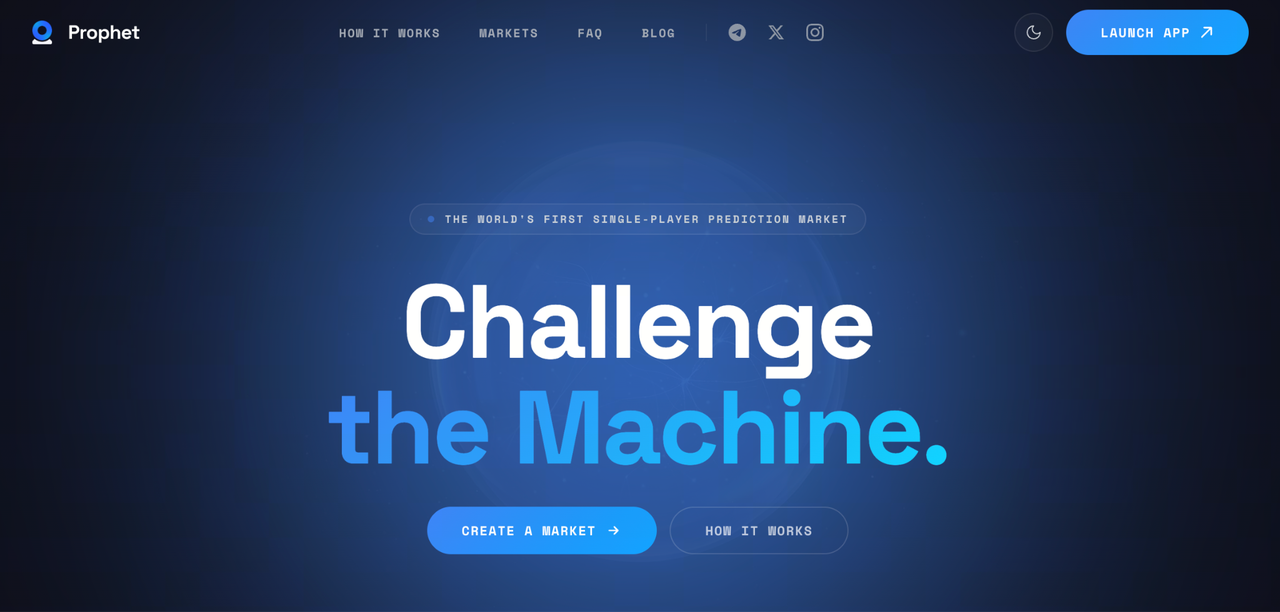 (Источник: Prophet)
 (Источник: prophetmarketai)