الفرضية الأساسية لـ URA هي أن توليد الطاقة النووية يعتمد بشكل كبير على إمدادات اليورانيوم، وأن اليورانيوم نفسه يحمل خصائص مميزة لدورة الطاقة. فعند أي تغير في مزيج الطاقة العالمي أو الطلب على الطاقة النووية أو أسعار اليورانيوم، تميل URA إلى عكس تقلبات سوق سلسلة توريد الطاقة النووية بشكل متزامن.
مع تسارع وتيرة التحول العالمي في قطاع الطاقة، عادت الطاقة النووية إلى صدارة موضوعات أسواق الطاقة. وعلى عكس الوقود الأحفوري التقليدي، توفر الطاقة النووية كهرباء أساسية مستقرة، مما يعيد إحياء الاهتمام السوقي بـ شركات تعدين اليورانيوم وسلسلة التوريد النووية الأوسع.
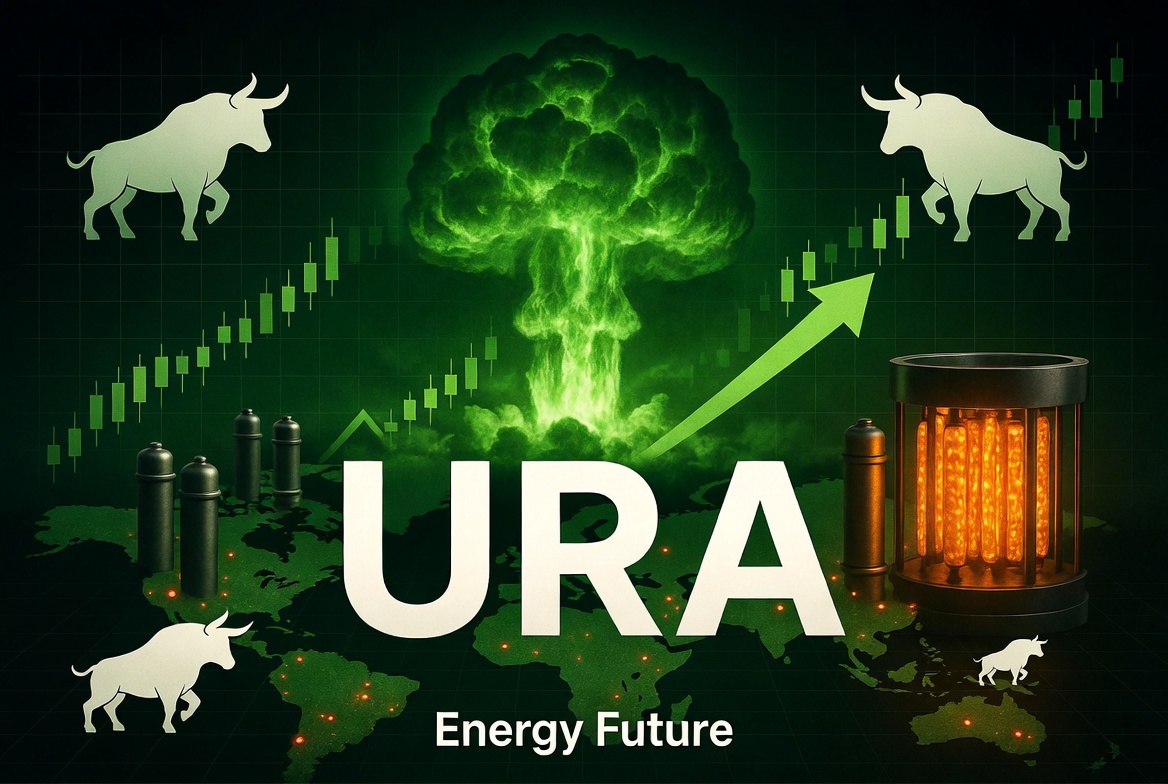
ما هو صندوق URA (Global X Uranium ETF)؟
الوظيفة الجوهرية لصندوق اليورانيوم المتداول هي توفير وسيلة مركزية للسوق لتتبع تغيرات سلسلة توريد الطاقة النووية وأسواق موارد اليورانيوم. فبدلاً من الاستثمار المباشر في شركة تعدين واحدة، يتيح هيكل الصندوق التعرض لعدة دول وأعمال متنوعة مرتبطة باليورانيوم.
من وجهة نظر سلسلة التوريد، تشمل الصناعة النووية تعدين اليورانيوم، وتخصيبه، ومعالجة الوقود النووي، وبناء محطات الطاقة، وتوليد الكهرباء. وتتركز حيازات URA عادةً في أصول تعدين اليورانيوم الأولية وبعض شركات الوقود النووي المختارة.
الفرق الرئيسي بين الطاقة النووية والتقليدية هو أن المحطات النووية تتطلب إمدادًا وقوديًا مستقرًا وطويل الأجل. وهذا يجعل اليورانيوم ليس مجرد سلعة تعدينية بل عنصرًا حاسمًا في أمن الطاقة العالمي.
عند ارتفاع الطلب العالمي على الطاقة النووية، تصبح ربحية شركات تعدين اليورانيوم أكثر وضوحًا عادةً، وهذا هو المصدر الرئيسي لتقلبات أسعار URA.
الوضع الأساسي لـ URA وآلية تشغيله
URA هو في الأساس صندوق استثمار متداول موضوعي يركز على قطاع معين، ويوزع الأصول عبر سلسلة توريد اليورانيوم والطاقة النووية العالمية. يقوم مدير الصندوق بتعديل الحيازات في مختلف شركات اليورانيوم والنووية وفقًا لقواعد المؤشر.
على عكس الصناديق المدارة بنشاط التقليدية، تعد URA أداة تتبع مؤشر أكثر من أي شيء آخر. هدفه ليس اختيار شركة نجمية واحدة بل عكس أداء السوق الإجمالي لقطاع تعدين اليورانيوم.
من الناحية الهيكلية، تتضمن URA عادةً:
- شركات تعدين اليورانيوم
- شركات الوقود النووي
- شركات معدات الطاقة النووية
- شركات مختارة مرتبطة بالطاقة النووية
هذا الهيكل المتنوع يعني أن URA لا يتأثر فقط بأسعار اليورانيوم بل أيضًا بالسياسة النووية العالمية وديناميكيات سوق الطاقة الأوسع.
كيف يتشكل هيكل حيازات URA؟
يُبنى هيكل حيازات URA بشكل عام حول شركات موارد اليورانيوم الرئيسية في العالم. فالمناطق التي تحتوي على رواسب كبيرة من اليورانيوم مثل كندا وكازاخستان وأستراليا، تميل إلى أن يكون لها تمثيل أعلى في الصندوق.
شركات تعدين اليورانيوم الكبيرة، التي تمتلك عمليات ناضجة وقدرات إمداد موثوقة طويلة الأجل، تحمل عادةً وزنًا كبيرًا في الصندوق.
في الوقت نفسه، قد تُدرج بعض شركات معالجة الوقود النووي وشركات التكنولوجيا النووية ضمن حيازات URA. وهذا يجعل URA أكثر من مجرد صندوق تعدين خالص، فهو يعمل كصندوق استثمار متداول كامل لسلسلة توريد الطاقة النووية.
نظرًا لصغر حجم سوق اليورانيوم نسبيًا، يكون تركيز قطاع URA أعلى عادةً من صناديق الطاقة التقليدية المتداولة.
كيف تعمل سلسلة توريد اليورانيوم العالمية؟
سلسلة توريد اليورانيوم العالمية هي في الأساس نظام إمداد بالوقود النووي. أولاً، يستخرج عمال المناجم خام اليورانيوم الطبيعي ويقومون بمعالجته الأولية.
ثم ينتقل اليورانيوم إلى مراحل التخصيب وتصنيع الوقود لإنتاج المجموعات اللازمة للمفاعلات النووية. وأخيرًا، تستخدم محطات الطاقة النووية الوقود لتوليد الكهرباء على المدى الطويل.
بالمقارنة مع أسواق النفط، يعتمد سوق الوقود النووي بشكل أكبر على العقود طويلة الأجل والإمداد المستقر. ونظرًا لأن المحطات النووية يجب أن تعمل بشكل مستمر لفترات ممتدة، فإن دورات شراء الوقود تكون طويلة عادةً.
هذا الهيكل الطويل الأجل للإمداد يجعل صناعة اليورانيوم دورية بطبيعتها ومتأثرة بشدة بالسياسة.
لماذا تحتاج صناعة الطاقة النووية إلى اليورانيوم؟
اليورانيوم هو مصدر الطاقة الأساسي لصناعة الطاقة النووية. تطلق المفاعلات الطاقة من خلال انشطار اليورانيوم لتوليد الكهرباء.
بالمقارنة مع الفحم والغاز الطبيعي، توفر الطاقة النووية استقرارًا عاليًا وانبعاثات كربونية منخفضة نسبيًا. ولهذا السبب، أصبحت الطاقة النووية محورًا رئيسيًا مرة أخرى وسط التحول العالمي في مجال الطاقة.
دورات بناء المحطات النووية طويلة، لذا يراقب السوق باستمرار احتياطيات اليورانيوم وأمن إمدادات الوقود.
عندما تجدد دول متعددة التزاماتها بالطاقة النووية، يراقب السوق في الوقت نفسه نمو الطلب على اليورانيوم، وهذا سبب رئيسي لجذب URA اهتمامًا واسعًا.
كيف تؤدي أسعار اليورانيوم إلى تقلبات URA؟
سعر اليورانيوم هو أحد المتغيرات الأكثر أهمية بالنسبة لـ URA. نظرًا لأن الصندوق يحمل وزنًا كبيرًا في شركات تعدين اليورانيوم، فإن ارتفاع أسعار اليورانيوم يعزز عادةً توقعات أرباح تلك الشركات.
عندما ترتفع أسعار اليورانيوم، يعيد السوق تقييم موارد اليورانيوم، مما يرفع تقييمات الشركات ذات الصلة.
على الجانب الآخر، سوق اليورانيوم صغير نسبيًا، لذلك تميل تقلبات الأسعار إلى أن تكون أكبر من تلك الموجودة في سلع الطاقة التقليدية.
هذا التقلب العالي يجعل URA عرضة لتحركات سعرية كبيرة خلال دورات الطاقة النووية.
| العامل المؤثر |
التأثير الأساسي على URA |
| ارتفاع أسعار اليورانيوم |
يرفع توقعات أرباح شركات التعدين |
| نمو الطلب على الطاقة النووية |
يزيد الطلب على اليورانيوم |
| أزمة الطاقة |
يرفع مكانة الطاقة النووية |
| تغييرات السياسات واللوائح |
يؤثر على توقعات التطوير النووي |
| تغيرات أسعار الفائدة العالمية |
يؤثر على تقييمات أصول الطاقة |
نظرًا لأن الصناعة النووية تتشكل بفعل سياسة الطاقة ودورات الموارد، فإن أداء URA يميل إلى حمل خصائص اقتصادية كلية قوية.
كيف يعيد التحول العالمي في مجال الطاقة تشكيل أسواق الطاقة النووية؟
يدفع التحول العالمي في مجال الطاقة نحو تنويع مزيج الطاقة. بالإضافة إلى الطاقة الشمسية وطاقة الرياح، عادت الطاقة النووية إلى مركز المناقشات العالمية حول الطاقة.
بينما تنمو مصادر الطاقة المتجددة بسرعة، تواجه طاقة الرياح والطاقة الشمسية مشكلة التقطع، مما يترك بعض الدول تعتمد على طاقة أساسية مستقرة لدعم الشبكة.
يمكن للطاقة النووية توفير كهرباء مستمرة ومستقرة، مما دفع عدة دول إلى توسيع الاستثمار النووي وبناء المفاعلات.
تشير هذه التطورات إلى أن سوق اليورانيوم قد يدخل مرحلة نمو طويل الأجل في الطلب، وبالتالي يكتسب URA المزيد من الاهتمام.
كيف يختلف URA عن صناديق الذهب أو الطاقة المتداولة؟
الفرق الرئيسي بين URA وصناديق الذهب المتداولة هو أن الذهب هو أصل ملاذ آمن في المقام الأول، بينما URA هو أصل طاقة أكثر من أي شيء آخر.
بالمقارنة مع صناديق النفط التقليدية المتداولة، حجم سوق URA أصغر، وهو أكثر اعتمادًا على السياسة والطلب على الطاقة النووية.
من حيث التقلبات، يتقلب URA عادةً أكثر من صناديق الطاقة الكبيرة المتداولة لأن سوق اليورانيوم مركز للغاية، مما يجعله حساسًا لتغيرات العرض.
يتناقض URA أيضًا بشكل حاد مع صناديق الطاقة النظيفة المتداولة. فصناديق الطاقة النظيفة تركز على السيارات الكهربائية والبطاريات ومعدات الطاقة المتجددة، بينما يركز URA على الطاقة النووية وإمدادات اليورانيوم.
كيفية شراء URA (Global X Uranium ETF) والأصول ذات الصلة من الأسهم الأمريكية؟
URA، كصندوق استثمار متداول ذي طابع اليورانيوم يتم تداوله في البورصات الأمريكية، يمكن الوصول إليه عادةً عبر المنصات التي تدعم تداول الأسهم الأمريكية. تقليديًا، كان المستخدمون يفتحون حساب أوراق مالية في الخارج للمشاركة في سوق الأسهم الأمريكية.
مؤخرًا، أكدت هيئة تنظيم الأوراق المالية الصينية مجددًا أن المؤسسات الخارجية لا يجوز لها تقديم خدمات فتح الحسابات والتداول بشكل غير قانوني داخل الصين، وحددت فترة تصحيح للأعمال الحالية. ونتيجة لذلك، قامت بعض شركات الوساطة عبر الإنترنت بتعديل خدماتها المتعلقة بالأسهم الأمريكية.
هذا التحول دفع المزيد من المستخدمين إلى إعادة تقييم قنوات تداول الأسهم الأمريكية لديهم واستكشاف البدائل. فبالإضافة إلى تداول الأوراق المالية التقليدي، تقدم بعض المنصات الآن عقود فروقات (CFDs) أو أصولًا اصطناعية أو بدائل أسهم على السلسلة مرتبطة بالأسهم الأمريكية.
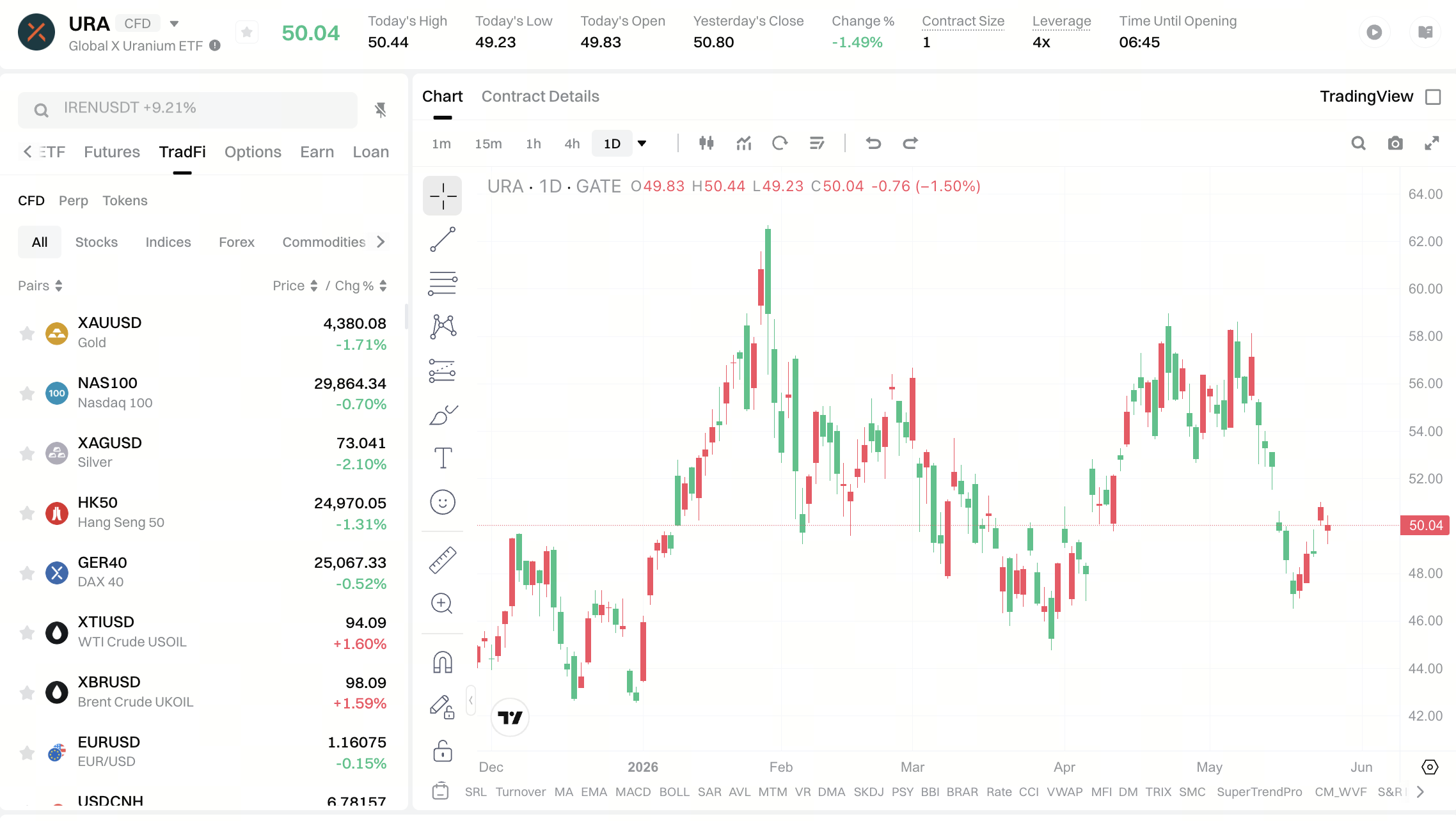
عقود فروقات Gate، التي تقدمها بعض منصات الأصول الرقمية، تغطي الآن بعض أصول السوق العالمية بما في ذلك صناديق الاستثمار المتداولة. بالنسبة لبعض المستخدمين، هذا يعني أنه يمكنهم الوصول إلى عقود فروقات صناديق الاستثمار المتداولة الخارجية، بما في ذلك المنتجات التي تتبع URA، على نفس المنصة دون الحاجة إلى حساب أوراق مالية منفصل.
ومع ذلك، لدى الولايات القضائية المختلفة متطلبات تنظيمية مختلفة لتداول صناديق الاستثمار المتداولة والمشتقات المرتبطة بالأسهم الأمريكية. قبل تداول URA أو المنتجات ذات الصلة، يجب على المستخدمين مراجعة امتثال المنصة وهيكل المنتج ومخاطر الرافعة المالية والقيود الإقليمية بعناية.
الملخص
URA هو أحد صناديق الاستثمار المتداولة الموضوعية الرئيسية التي تتبع سوق الطاقة النووية واليورانيوم العالمية. يدور منطقه الأساسي حول سلسلة التوريد النووية وتوافر موارد اليورانيوم والتحول العالمي في مجال الطاقة.
بالمقارنة مع صناديق الطاقة التقليدية المتداولة، فإن URA أكثر حساسية لأسعار اليورانيوم والسياسة النووية وقضايا أمن الطاقة، مما يمنحها خصائص واضحة لدورة الموارد والمدفوعة بالسياسة.
مع استمرار تطور هيكل الطاقة العالمي، أصبحت سلسلة التوريد النووية التي تمثلها URA جزءًا متزايد الأهمية من مشهد الطاقة العالمي.
الأسئلة الشائعة
ما هو URA؟
URA هو صندوق استثمار متداول ذو طابع اليورانيوم أطلقه Global X. يستثمر بشكل أساسي في شركات تعدين اليورانيوم العالمية والشركات المرتبطة بسلسلة توريد الطاقة النووية.
لماذا يتأثر URA بأسعار اليورانيوم؟
لأن الحيازات الأساسية لـ URA هي في الغالب شركات تعدين اليورانيوم، فارتفاع أسعار اليورانيوم يميل إلى تحسين توقعات ربحيتها ويدفع الصندوق للارتفاع.
هل URA صندوق استثمار متداول للطاقة النظيفة؟
URA هو صندوق استثمار متداول لموارد الطاقة النووية أكثر منه صندوق طاقة نظيفة تقليدي. فهو يركز بشكل خاص على الطاقة النووية وسوق اليورانيوم.
لماذا تحتاج الصناعة النووية إلى اليورانيوم؟
تولد المحطات النووية الكهرباء باستخدام انشطار اليورانيوم لإطلاق الطاقة، مما يجعل اليورانيوم مصدر الوقود الأساسي للصناعة.
كيف يختلف URA عن صناديق النفط المتداولة؟
يتبع URA موارد اليورانيوم وسلسلة التوريد النووية، بينما تركز صناديق النفط المتداولة على النفط الخام والغاز الطبيعي وأسواق الطاقة التقليدية.
كيف يمكنني تداول الأصول المرتبطة بـ URA؟
يمكن تداول URA عادةً على المنصات التي تدعم الأسهم الأمريكية. كما تقدم بعض المنصات عقود فروقات أو مشتقات مرتبطة بصناديق الاستثمار المتداولة للأسهم الأمريكية.