يُعد خام برنت منذ فترة طويلة المعيار الأساسي لتسعير النفط الخام عالمياً. إذ يعتمد تسعير جزء كبير من تجارة النفط الخام في أوروبا والشرق الأوسط وأفريقيا على خام برنت.
يمتد التأثير السوقي لـ XBR إلى ما هو أبعد من قطاع الطاقة. فالتغيرات في أسعار النفط الخام تؤثر على تكاليف النقل العالمية، والإنتاج الصناعي، وسياسات البنوك المركزية، ورغبة الأسواق المالية في المخاطرة. ونتيجة لذلك، أصبح XBR أصلاً محورياً في أسواق التداول الكلي وعقود الفروقات (CFD).
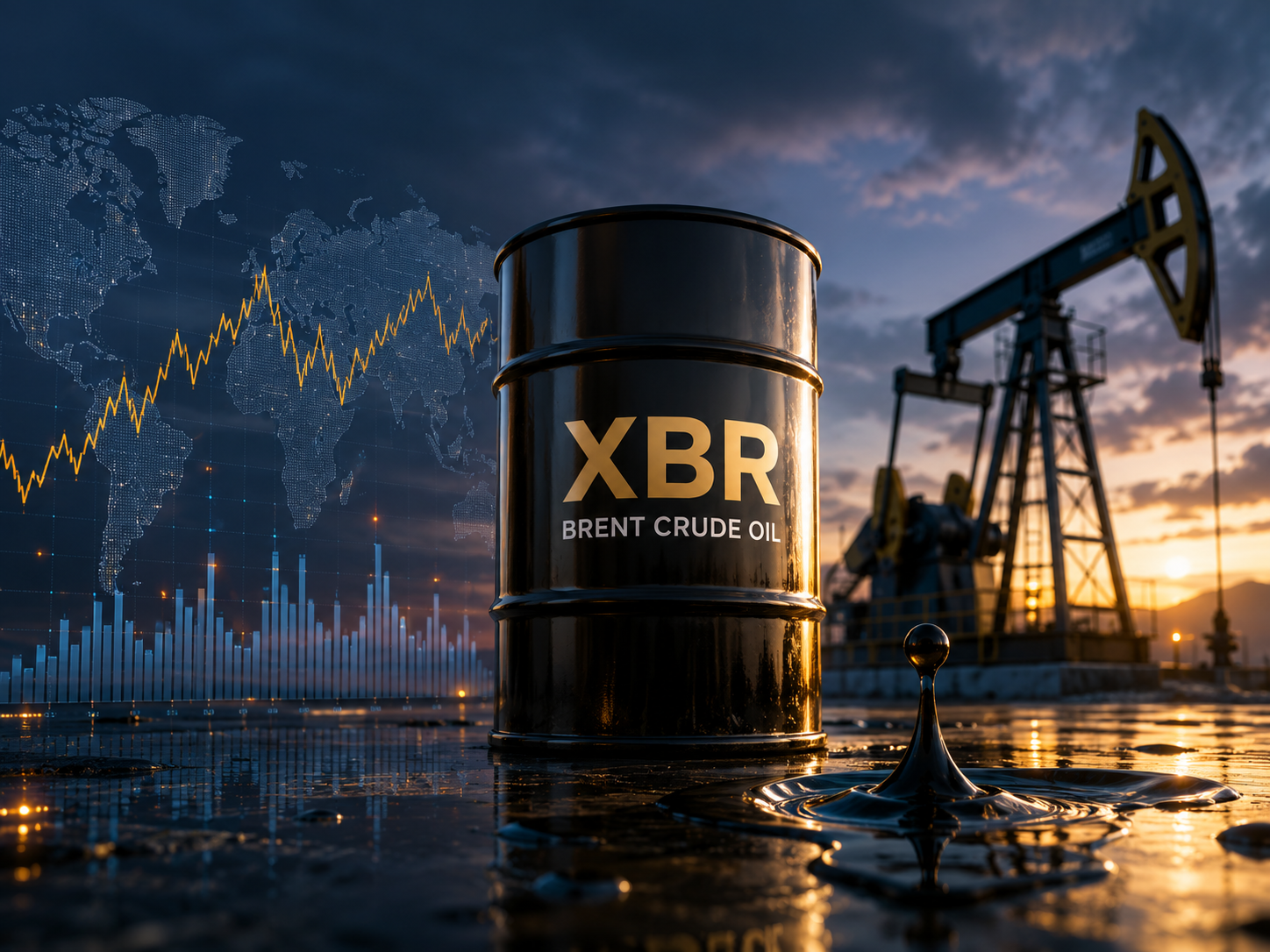
ما هو XBR (خام برنت)؟
يُستخرج خام برنت بشكل أساسي من حقول النفط في بحر الشمال، ويُعد واحداً من أهم أنواع النفط الخام الحلو الخفيف في السوق العالمية. وبفضل سيولته العالية وتغطيته التجارية الدولية الواسعة، أصبح خام برنت تدريجياً المعيار العالمي لتسعير النفط الخام.
في الأسواق المالية، يمثل XBR عادةً منتجات التداول المرتبطة بخام برنت، ومنها:
- العقود الآجلة للنفط الخام
- عقود الفروقات (CFD)
- منتجات الصناديق المتداولة (ETF)
- مشتقات الطاقة
لا تقتصر أهمية خام برنت على كونه مصدراً للطاقة فحسب، بل تمتد لتشمل قيمته كنقطة مرجعية للتجارة العالمية. إذ تُسوّى العديد من عقود تصدير النفط الخام الدولية مباشرة بناءً على أسعار خام برنت.
تتأثر أسعار XBR بديناميكيات العرض والطلب العالمية، والأحداث الجيوسياسية، وأسعار فائدة الدولار الأمريكي، وسياسات أوبك، مما يؤدي إلى تقلبات عالية نسبياً.
كيف تعمل آلية تسعير خام برنت؟
تُحدد أسعار خام برنت بشكل أساسي من خلال التوازن العالمي بين عرض النفط الخام وطلبه. وتؤثر التغيرات في الإنتاج والمخزونات والنقل والاستهلاك مباشرةً على تحركات أسعار XBR.
يتميز سوق النفط الخام بارتباطات عالمية قوية. فغالباً ما تنعكس التحولات في عرض الشرق الأوسط، أو النزاعات الدولية، أو اضطرابات الشحن على أسعار خام برنت بشكل فوري تقريباً.
تشمل العوامل الرئيسية المؤثرة على تسعير XBR:
| العامل |
تأثير السعر |
| عرض وطلب النفط الخام |
يحدد الاتجاهات طويلة الأجل |
| سياسات أوبك |
تؤثر على عرض السوق |
| أسعار فائدة الدولار الأمريكي |
تؤثر على تقييم السلع |
| الأحداث الجيوسياسية |
تزيد من تقلبات السوق |
| بيانات المخزونات |
تؤثر على الأسعار قصيرة الأجل |
تتأثر أسعار خام برنت أيضاً بمعنويات الأسواق المالية. فعندما تنخفض الرغبة في المخاطرة، يميل رأس المال إلى تقليل التعرض للسلع شديدة التقلب.
في النهاية، تعكس آلية تسعير XBR التأثير المشترك لديناميكيات عرض وطلب الطاقة العالمية وتدفقات رأس المال المالي.
دور XBR في سوق النفط الخام العالمي
يعمل خام برنت كمرجع تسعير حاسم لتجارة النفط الخام العالمية. إذ تُسوّى أكثر من ثلثي المعاملات الدولية للنفط الخام بالرجوع إلى أسعار خام برنت.
يشمل دور XBR في السوق العالمية:
- معيار تسعير النفط الخام الدولي
- أداة التحوّط من مخاطر الطاقة
- مؤشر اقتصادي عالمي
- أصل مرجعي لسوق السلع
عادةً ما تؤثر التغيرات في أسعار خام برنت على التكاليف في قطاعات الطيران والنقل والكيماويات والتصنيع. فعندما ترتفع أسعار النفط الخام، ترتفع عادةً تكاليف الإنتاج والخدمات اللوجستية للشركات.
يؤثر XBR أيضاً على التضخم العالمي. إذ تنتقل تغيرات أسعار الطاقة إلى مؤشر أسعار المستهلك، مما يدفع البنوك المركزية إلى مراقبة تقلبات خام برنت عن كثب.
يُضفي موقع خام برنت السوقي على XBR أهمية كأصل رئيسي في استراتيجيات التداول الكلي العالمي.
ما الفروقات بين خام برنت وخام غرب تكساس الوسيط (WTI)؟
خام برنت وخام غرب تكساس الوسيط هما المعياران الرئيسيان لتسعير النفط الخام عالمياً، لكنهما يختلفان في المنشأ والأسواق التسليمية وهياكل التسعير.
يأتي خام برنت بشكل أساسي من بحر الشمال، بينما ينشأ خام غرب تكساس الوسيط بشكل رئيسي من الولايات المتحدة. وتؤدي الاختلافات في البنية التحتية للنقل والتخزين عادةً إلى فارق سعري بينهما.
تشمل الاختلافات الرئيسية بين XBR وWTI:
| الجانب |
خام برنت |
خام غرب تكساس الوسيط (WTI) |
| المنشأ الرئيسي |
بحر الشمال |
الولايات المتحدة |
| الموقع السوقي |
معيار دولي |
معيار أمريكي |
| السيولة |
عالمية |
أقوى محلياً في الولايات المتحدة |
| مركز التسليم |
السوق البحري |
كوشينغ |
يوفر خام برنت انعكاساً أفضل لتحولات عرض وطلب الطاقة العالمي، مما يجعل تقلبات XBR محور اهتمام المستثمرين الدوليين.
أما خام غرب تكساس الوسيط، فهو أكثر حساسية لمستويات المخزونات الأمريكية وسياسات الطاقة المحلية، مما يمنحه طابعاً إقليمياً أقوى.
ما العوامل التي تدفع تقلبات أسعار XBR؟
لتقلبات أسعار XBR أسس اقتصادية كلية واضحة. فالظروف الاقتصادية العالمية، وديناميكيات عرض الطاقة، وتطورات الأسواق المالية جميعها تؤثر على تحركات خام برنت.
تعد العوامل المتعلقة بالعرض من بين الأكثر أهمية. فغالباً ما تؤدي تخفيضات إنتاج أوبك، أو المخاطر الجيوسياسية، أو اضطرابات النقل إلى رفع أسعار النفط.
تشمل المتغيرات الرئيسية الدافعة لتقلبات XBR:
- سياسات تخفيض إنتاج أوبك
- النمو الاقتصادي العالمي
- تغيرات أسعار الفائدة لمجلس الاحتياطي الفيدرالي
- بيانات مخزونات النفط الخام
- المخاطر الجيوسياسية
يؤثر اتجاه الدولار الأمريكي أيضاً على أسعار النفط الخام. فنظراً لأن النفط الخام الدولي يُسعّر عادةً بالدولار الأمريكي، فإن قوة الدولار تميل إلى الضغط على أسعار النفط.
يظهر XBR أيضاً طابعاً قوياً مدفوعاً بالأحداث. فالمخاطر السياسية المفاجئة أو النزاعات الدولية يمكن أن تزيد من تقلبات السوق بسرعة.
ما هي الطرق الرئيسية لتداول XBR؟
يمكن تداول XBR عبر العقود الآجلة، وعقود الفروقات (CFD)، وصناديق المؤشرات المتداولة (ETF)، ومشتقات الطاقة. وتلبي المنتجات المختلفة رغبات المخاطرة واحتياجات السوق المتنوعة.
تُستخدم العقود الآجلة للنفط الخام بشكل أساسي من قبل المستثمرين المؤسسيين والمتداولين الكبار. ويتضمن سوق العقود الآجلة عقوداً موحدة مع آليات تسليم.
سوق عقود الفروقات (CFD) أكثر ملاءمة للتداول قصير الأجل والتداول بالرافعة المالية. إذ تسمح منتجات CFD للمتداولين بالمضاربة على تحركات أسعار النفط الخام باستخدام الهامش دون امتلاك السلعة الفعلية.
تشمل طرق تداول XBR الرئيسية:
| طريقة التداول |
الخصائص |
| العقود الآجلة |
عقود موحدة |
| عقود الفروقات (CFD) |
رافعة مالية وتداول باتجاهين |
| صناديق المؤشرات المتداولة (ETF) |
أدوات تخصيص الأصول |
| الخيارات |
إدارة المخاطر |
تختلف مستويات المخاطرة بشكل كبير بين هذه الطرق. فتحمل المنتجات ذات الرافعة المالية تقلبات أعلى، مما يجعل التحكم في المخاطر أمراً أساسياً.
تطبيق XBR في أسواق العقود مقابل الفروقات والمشتقات
يُعد XBR أحد أصول السلع الأكثر تداولاً بنشاط في سوق عقود الفروقات (CFD). فالتقلبات العالية للنفط الخام تجعله مناسباً للتداول قصير الأجل والاستراتيجيات ذات التوجه الكلي.
تشمل الميزات الرئيسية لعقود فروقات XBR:
- تداول باتجاهين
- آلية الرافعة المالية
- لا يتطلب تسليماً فعلياً
- سيولة عالية
تتيح منتجات CFD للمتداولين تحقيق أرباح من تحركات الأسعار دون امتلاك أصول النفط الخام مباشرة. ويمكن للمتداولين الدخول في مراكز شراء (طويل) أو بيع (قصير).
في سوق المشتقات، يُستخدم XBR أيضاً للتحوّط من الطاقة وإدارة المخاطر الكلية. فغالباً ما تستخدم شركات الطيران والنقل والصناعة مشتقات النفط الخام للتخفيف من التعرض لمخاطر أسعار الطاقة.
نمت سوق مشتقات النفط الخام لتتجاوز قطاع الطاقة، لتصبح جزءاً لا يتجزأ من تخصيص الأصول العالمي.
تأثير XBR على الاقتصاد العالمي وأسواق الطاقة
لتحركات أسعار XBR آثار واسعة على النشاط الاقتصادي العالمي. فتترجم تكاليف الطاقة المتزايدة إلى ارتفاع في النقل والتصنيع ونفقات المستهلك.
هناك ارتباط قوي بين أسعار النفط الخام والتضخم العالمي. إذ تدمج العديد من البنوك المركزية أسعار الطاقة في نماذج التضخم الخاصة بها، مما يعني أن تقلبات XBR تؤثر على توقعات السياسة النقدية.
تشمل التأثيرات الرئيسية لـ XBR على الأسواق العالمية:
- التأثير على التضخم العالمي
- التأثير على تكاليف النقل
- التأثير على ربحية الشركات
- تشكيل رغبة الأسواق المالية في المخاطرة
الدول المستوردة للطاقة حساسة بشكل خاص لمخاطر ارتفاع أسعار النفط، بينما تركز الدول المصدرة للطاقة على تغيرات الإيرادات.
تؤثر أسعار خام برنت أيضاً على أسواق الأسهم والعملات. فترتبط تقييمات أسهم الطاقة، وعملات السلع، وأداء القطاع الصناعي بتقلبات النفط الخام.
مزايا وقيود XBR
الميزة الرئيسية لـ XBR هي قبوله الواسع في الأسواق العالمية. إذ أنشأ خام برنت نظاماً تجارياً ناضجاً بسيولة عالية.
تشمل المزايا الرئيسية لـ XBR:
- تأثير تسعير عالمي قوي
- سيولة عالية
- سوق مشتقات ناضج
- ملاءمة للتداول الكلي
ومع ذلك، يحمل XBR أيضاً تقلبات كبيرة. فسوق النفط الخام عرضة للصدمات الجيوسياسية والمدفوعة بالأحداث، مما يسبب تغيرات سريعة في الأسعار.
تشمل القيود الرئيسية لـ XBR:
- مخاطر تقلبات عالية
- قابلية التأثر بتغيرات السياسات
- مخاطر مرتفعة في التداول بالرافعة المالية
- خصائص دورية قوية للطاقة
ونظراً للطبيعة الدورية المتأصلة لسوق النفط الخام، فإن XBR ليس أصلاً منخفض المخاطر.
ملخص
يُعد XBR أحد أهم معايير تسعير النفط الخام في سوق الطاقة العالمي. فلا يشكل خام برنت التجارة الدولية للطاقة فحسب، بل له أيضاً تأثيرات بعيدة المدى على التضخم والأسواق المالية والنشاط الاقتصادي العالمي.
تنبع قيمة XBR من سيولته العالمية، وبنية التداول الناضجة، ووضعه كمعيار تسعير طاقة دولي. وقد عززت أسواق العقود الآجلة وعقود الفروقات والمشتقات الدور المالي لـ XBR.
مع استمرار تطور أسواق الطاقة العالمية، سيظل خام برنت أصلاً كلياً رئيسياً على المدى الطويل.
الأسئلة الشائعة
ما هو XBR؟
XBR هو أحد رموز السوق لخام برنت، ويُستخدم عادةً لتمثيل سعر خام برنت في أسواق النفط الدولية.
لماذا يعتبر خام برنت مهماً؟
خام برنت هو أحد أهم معايير تسعير النفط الخام في العالم، ويُستخدم كمرجع لتسوية نسبة كبيرة من تجارة النفط الخام العالمية.
ما الفرق بين XBR وWTI؟
يمثل XBR خام برنت، الذي يعكس بشكل أساسي سوق النفط الخام الدولي. بينما يعكس خام غرب تكساس الوسيط (WTI) سوق النفط الخام المحلي في الولايات المتحدة.
ما العوامل التي تؤثر على أسعار XBR؟
تتأثر أسعار XBR بعرض وطلب النفط الخام، وسياسات أوبك، وأسعار فائدة الدولار الأمريكي، وبيانات المخزونات، والمخاطر الجيوسياسية.
كيف يمكن تداول XBR؟
يمكن تداول XBR عبر العقود الآجلة، وعقود الفروقات (CFD)، وصناديق المؤشرات المتداولة (ETF)، ومشتقات النفط الخام. وتلبي الأدوات المختلفة احتياجات التداول المتنوعة.
كيف تعمل عقود فروقات XBR؟
عقود فروقات XBR هي عقود مقابل فروقات تسمح للمتداولين بالمضاربة على تحركات الأسعار في كلا الاتجاهين دون الاحتفاظ بالنفط الخام الفعلي.