


TL;DR
U.S. equities closed the week lower across the board. The S&P 500 declined 1.5% WoW to 7,457.69, the Nasdaq Composite fell 2.9% to 25,520.24, and the Dow Jones Industrial Average edged down 0.9% to 52,146.42. The pullback was led by weakness in semiconductor names, compounded by escalating tensions in the Strait of Hormuz.
Energy markets repriced sharply on geopolitical supply risk. Brent crude rallied 4.59% on Friday to settle at $88.10/bbl, as direct U.S.–Iran hostilities threatened transit through the Strait of Hormuz, a critical chokepoint for global crude flows.
Safe-haven flows diverged. Longer-dated Treasury yields softened, with the 10-year easing to 4.549%, while spot gold rebounded modestly on Friday to $4,018.4/oz but still posted a 2.47% weekly loss amid persistent long-term inflation concerns.
Litecoin gained 8.2% following its integration into Clearstream’s institutional custody platform.
LINK rose 6.8% after DTCC announced plans to integrate Chainlink standards into its Collateral AppChain platform in Q4 2026.
Lawson and Netstars expand stablecoin payments in Japan.
Alpaca raises US$135M to scale agent-first brokerage infrastructure.
Macro Overview
AI Capital Spending Fears and Middle East Infrastructure Strikes Trigger Broad Risk Asset Sale
Global financial markets shifted into a highly emotional, sentiment-driven "risk-off" environment during the week ending July 17, 2026. The sell-off was stretched tech valuations collided with a disruptive competitive development in AI, compounded by direct military escalations in the Middle East. The benchmark S&P 500 index shed 1.01% on Friday to close at 7,457.69 points, while the tech-heavy Nasdaq Composite dropped 1.40% to finish at 25,520.24 points, logging a painful 2.9% drop for the week. The sale was most severe in the chip sector; the Philadelphia Semiconductor Index (.SOX) fell 1.6% on Friday, marking its third consecutive daily decline and pushing it 20% below its June 22 record peak. International indices fared no better, with Japan’s Nikkei tumbling 4% on Friday and MSCI’s broad Asia-Pacific index dropping 2.7%.
The primary catalyst for the growth sector unwinding was an abrupt disruption to the Western AI monopoly. Chinese AI startup Moonshot unveiled Kimi K3, introducing it as the world’s largest open-weight model with performance approaching Anthropic’s frontier models. This presentation introduced structural worries that open-source alternatives will rapidly commoditize AI applications, throwing the sustainability of massive mega-cap technology capital expenditures into question. While late-day short covering pulled Wall Street off its absolute session lows, market participants described the current trading environment as highly volatile and fragile heading into the new week.
Geopolitical risk premiums exploded as the conflict between the United States and Iran escalated into attacks on critical state infrastructure. Following expanded cross-border engagements where the U.S. struck bridges inside Iran, Tehran retaliated directly by hitting a primary power and desalination facility in Kuwait. In the highly contested Strait of Hormuz, global energy transit lines were disrupted further as U.S. Marines boarded an uncooperative tanker and another commercial vessel was struck by a projectile. The sudden threat to global supply lines caused crude oil to spike, with U.S. West Texas Intermediate (WTI) rising 4.48% to $82.49 a barrel and Brent crude jumping 4.59% to settle at $88.10 a barrel. Energy was the only industry sector in the S&P 500 to post positive returns on Friday.
In fixed income and precious metals, capital sought safety, though long-term macroeconomic anxieties capped the upside. Tame domestic inflation data printed throughout the week led institutional portfolios to entirely price out any probability of an interest rate hike at the Fed’s upcoming July policy meeting, pushing the benchmark 10-year Treasury yield down slightly to 4.549%. Gold, however, diverged from the classic safe-haven playbook: despite a 1.06% Friday rebound to $4,018.4/oz on war headlines, bullion logged a weekly decline of roughly 2.5% — its worst in five weeks — as the crude spike prompted macro desks to price in stickier terminal inflation and a longer restrictive path for the Fed. (1)
DXY
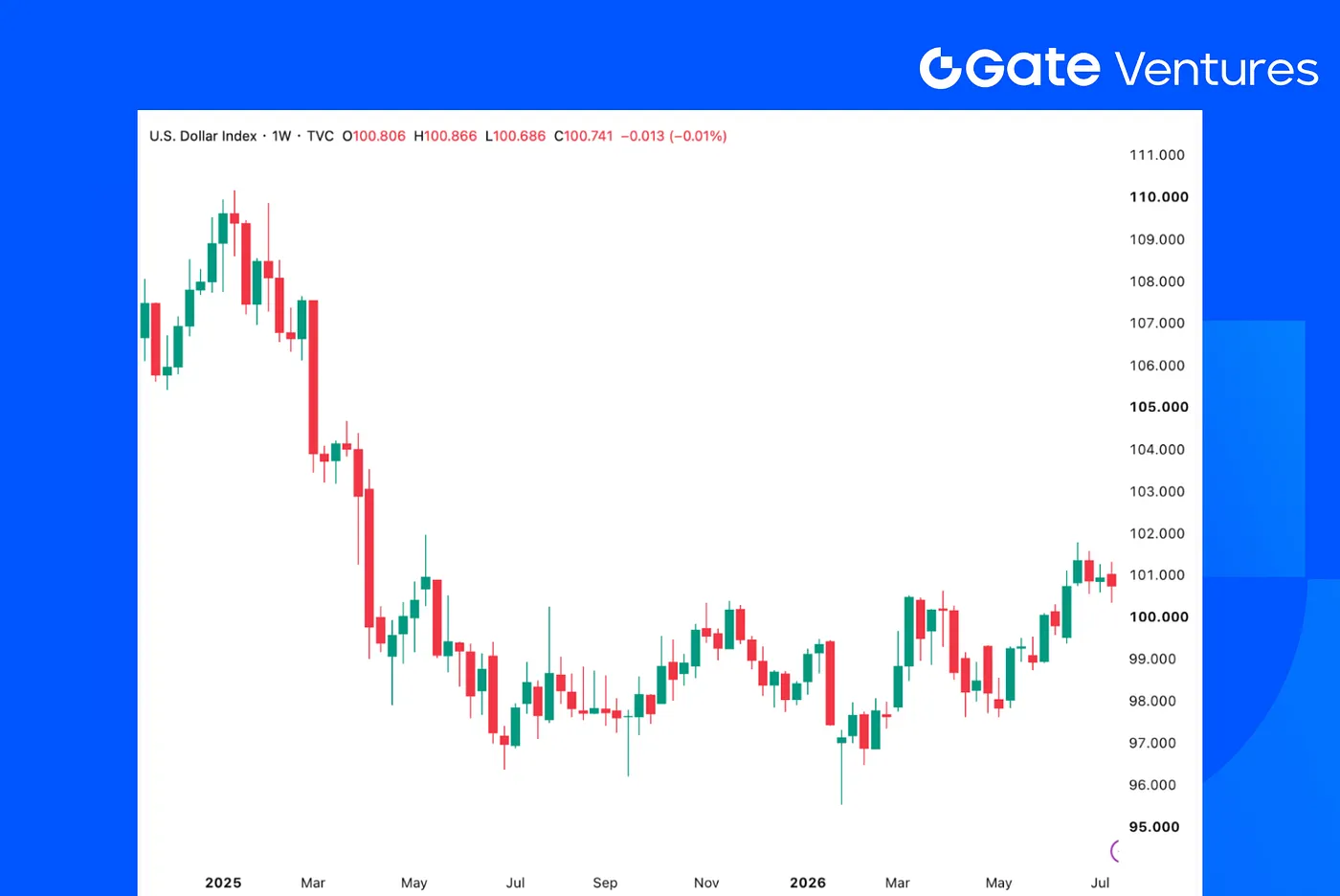
The U.S. Dollar Index (DXY) held relatively steady on Friday, closing at 100.76. However, the greenback locked in a net weekly loss. This underlying softening was driven primarily by cooler-than-anticipated domestic inflation metrics earlier in the week, which successfully prompted currency desks to pare back aggressive near-term interest rate projections, balancing out the traditional safe-haven inflows typically triggered by Middle Eastern instability. (2)
US 10-Year and 30-Year Bond Yields
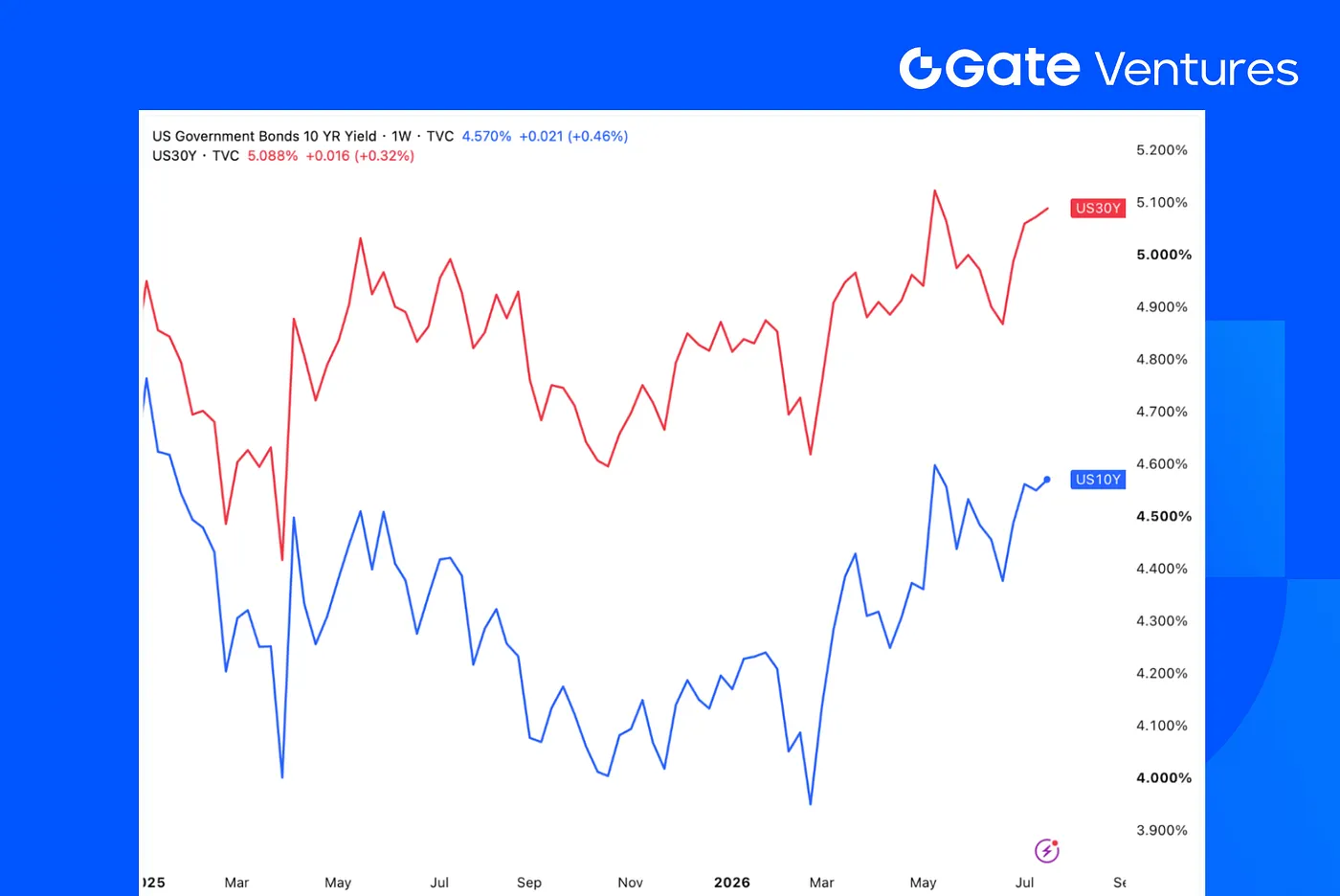
U.S. Treasury yields drifted lower, modestly steepening the long end, last week, cementing a weekly decline as fixed-income participants adjusted portfolios ahead of the late-July central bank gathering. Compared with the previous week’s closing yields, the benchmark 10-year note yield dropped 1.2 basis points to settle at 4.549%, while the long-bond 30-year yield increased by 1.3 basis points to finish at 5.072%. The marginal bid for government debt highlighted a distinct rotation out of high-growth equity layers into defensive, duration-backed assets. (3)
Gold
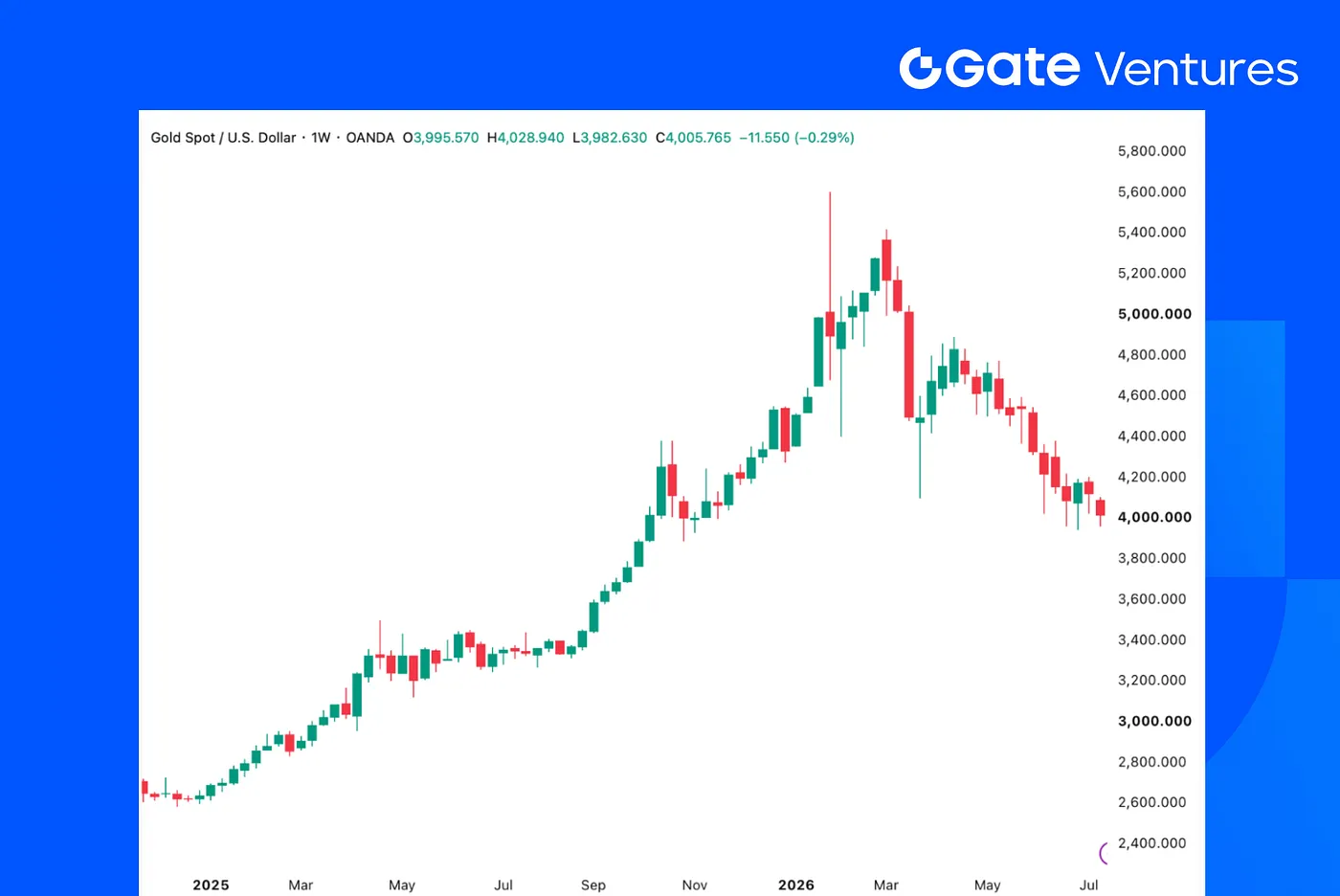
Spot gold prices staged a partial technical rebound on Friday, advancing 1.06% to close at $4,017.3 per ounce. Despite the Friday bounce, bullion suffered a severe weekly contraction, marking its worst weekly performance in recent 5 weeks. The asset faced systemic pressure as investors realized that an extended energy crisis near Hormuz will naturally export sticky global inflation, forcing central banks to maintain a more restrictive monetary baseline over a longer horizon. (4)
Crypto Markets Overview
Main Assets
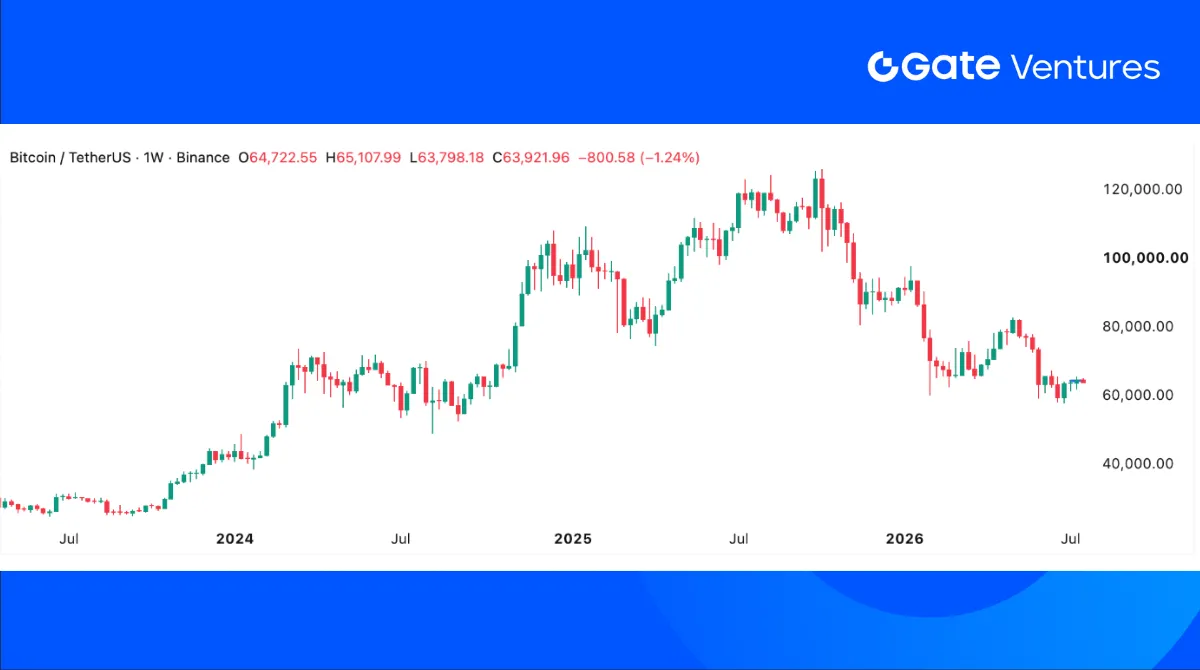
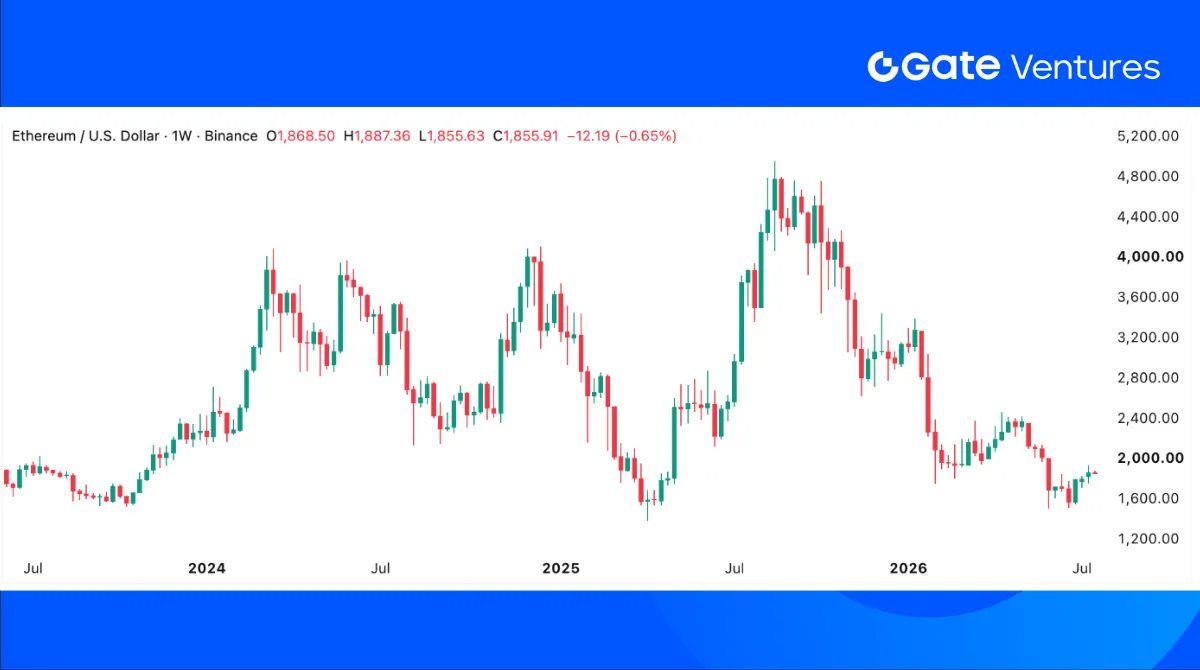
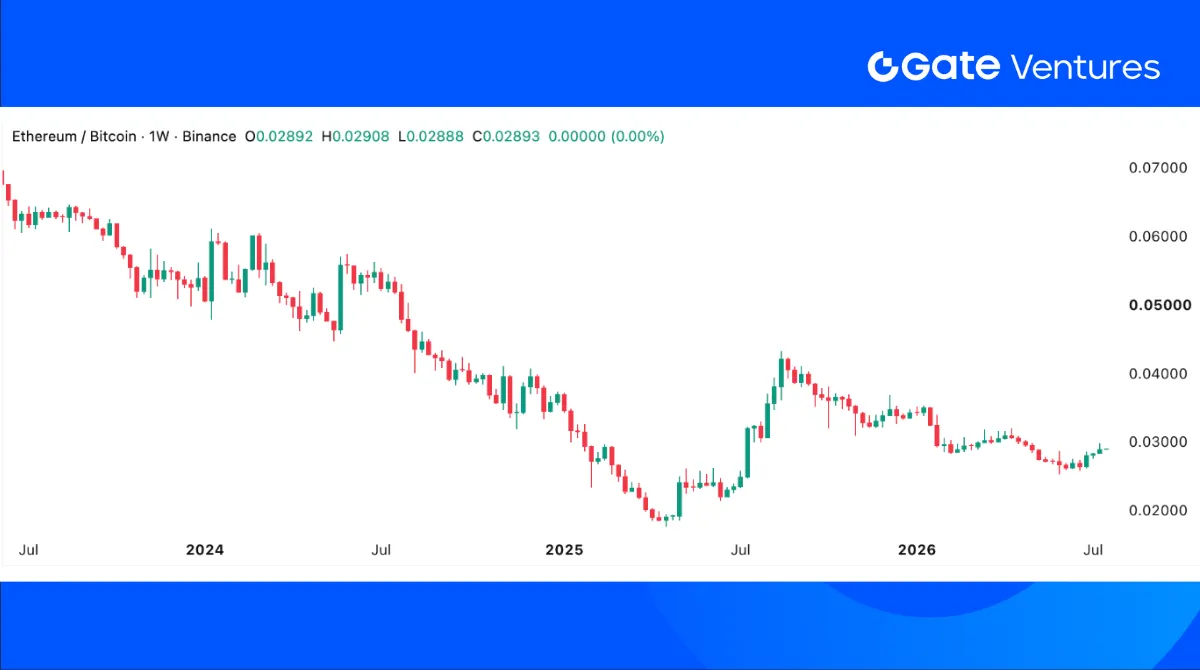
ETH/BTC Ratio
BTC rose 1.5% last week, while ETH gained 3.6%, driving the ETH/BTC ratio up 2.2%.
Spot BTC ETFs recorded US$75.7 million in net inflows, compared with US$105.4 million for spot ETH ETFs. (5)
Despite the positive price action and ETF flows, market sentiment remained cautious, with the Fear & Greed Index staying in the "Fear" zone at 29. (6)
Total Market Cap
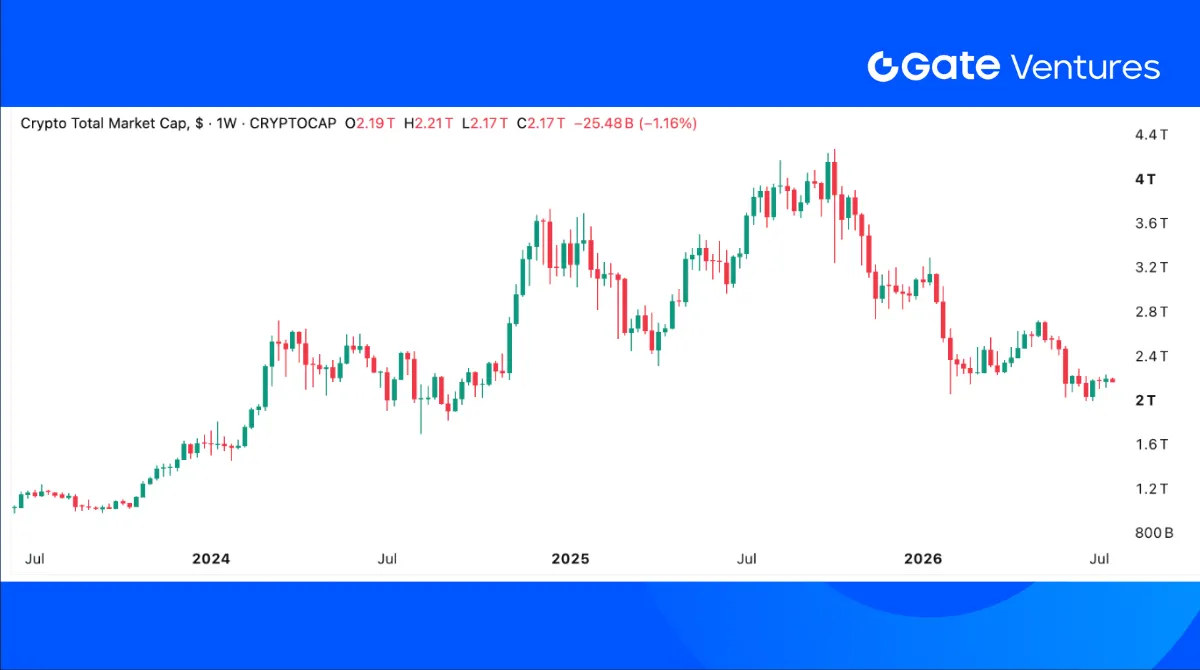
Crypto Total Marketcap
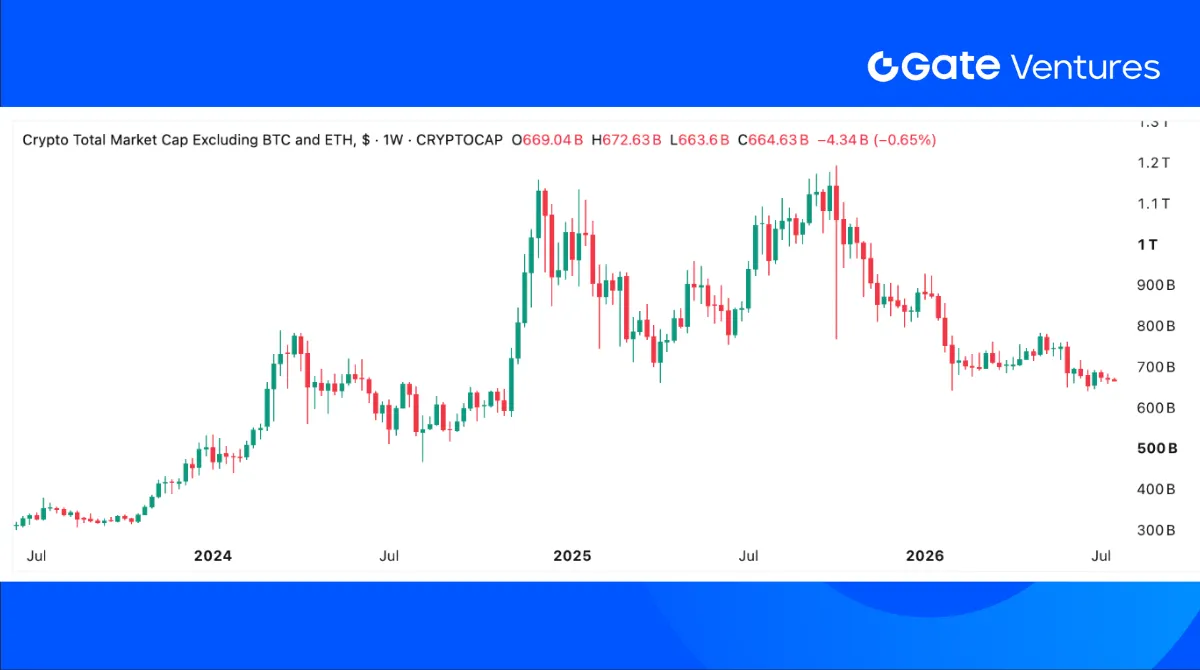
Crypto Total Marketcap Excluding BTC and ETH
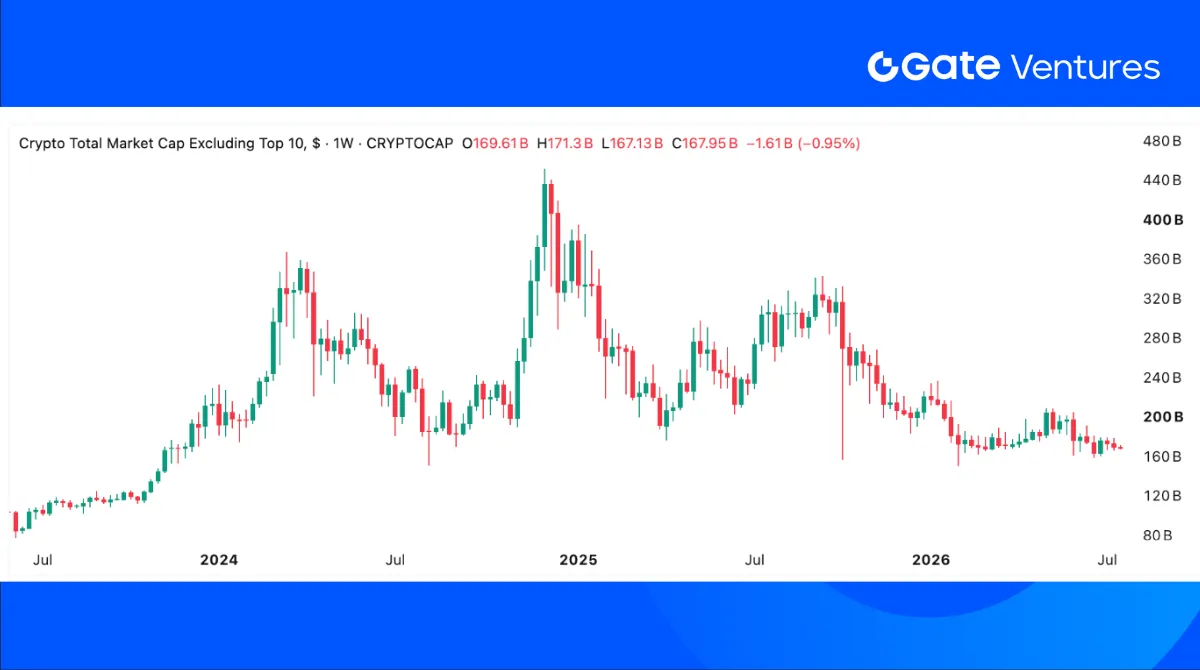
Crypto Total Marketcap Excluding Top 10 Dominance
Total crypto market capitalization increased by 1% last week. However, market capitalization excluding BTC and ETH declined by 0.7%, while the market cap of assets outside the top 10 fell by 2%.
STRC Performance
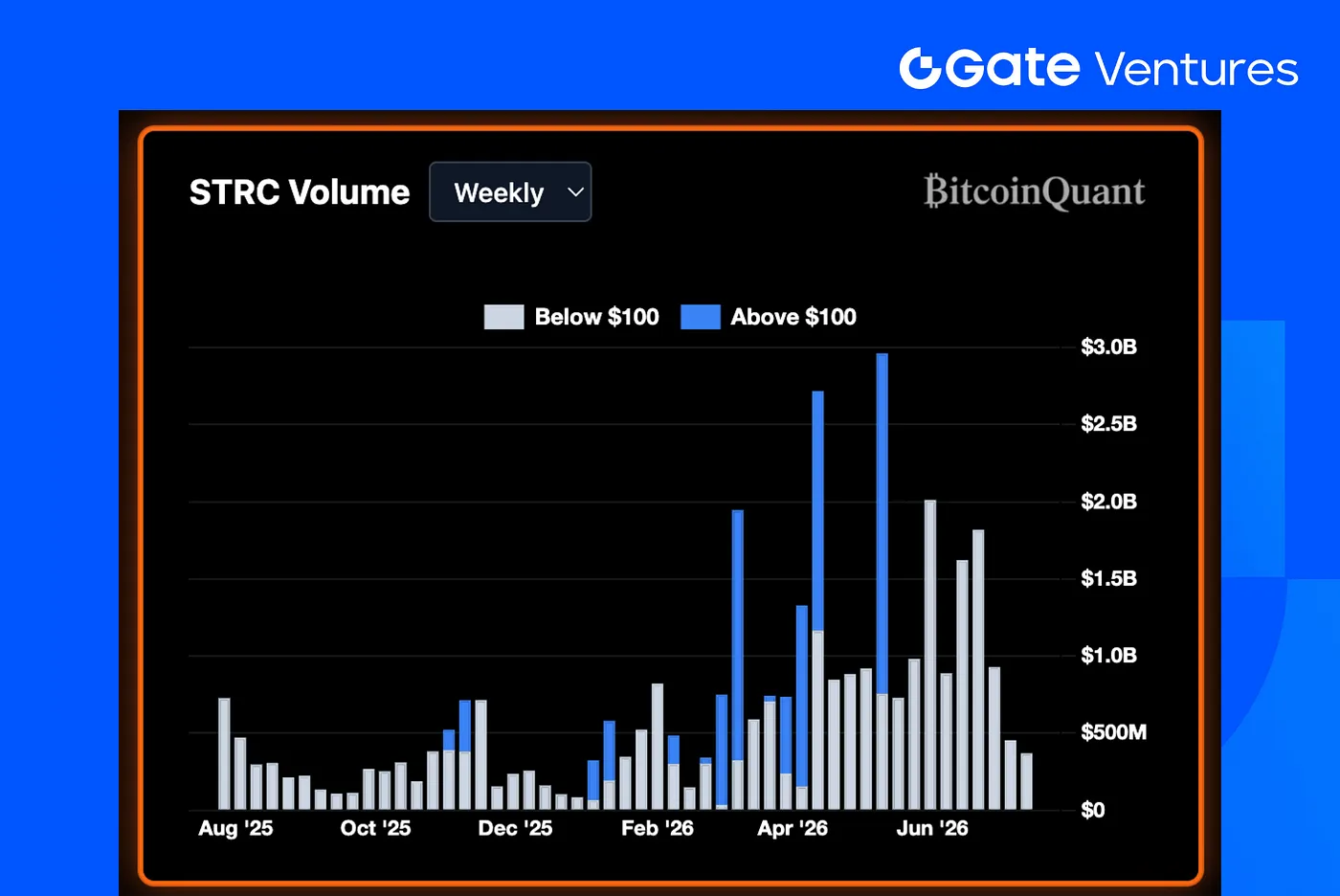
STRC recorded US$369 million in trading volume last week and remained below par for the eighth consecutive week, with its price holding at around US$85.
STRC completed its first semi-monthly dividend payment on July 15, with holders receiving approximately $0.4792 per share. The next two payments are expected to be around $0.50 per share, reflecting the higher 12% annualized rate. Strategy is also unlikely to resume significant STRC issuance for Bitcoin purchases until the share price moves closer to its $100 stated value. (7)
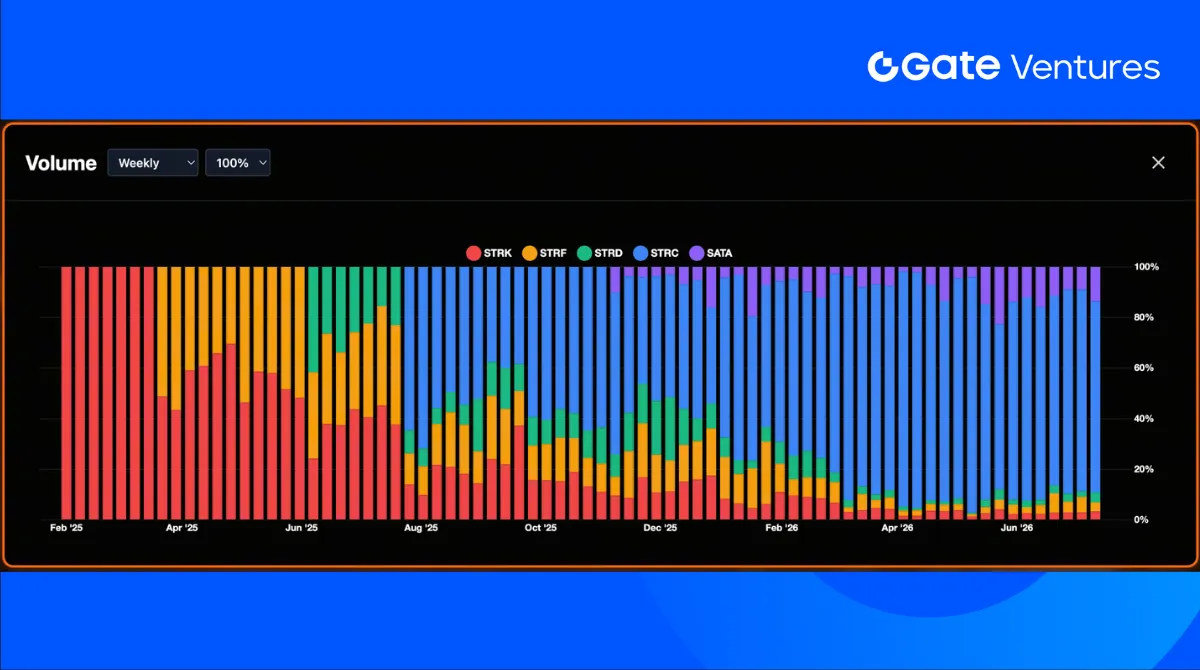
Among Bitcoin treasury preferred securities, STRC accounted for 75.7% of total trading volume last week, down from last week 79.8%. The second largest was Strive’s SATA, which accounts for 13.5%. (8)
Top 30 Crypto Assets Performance
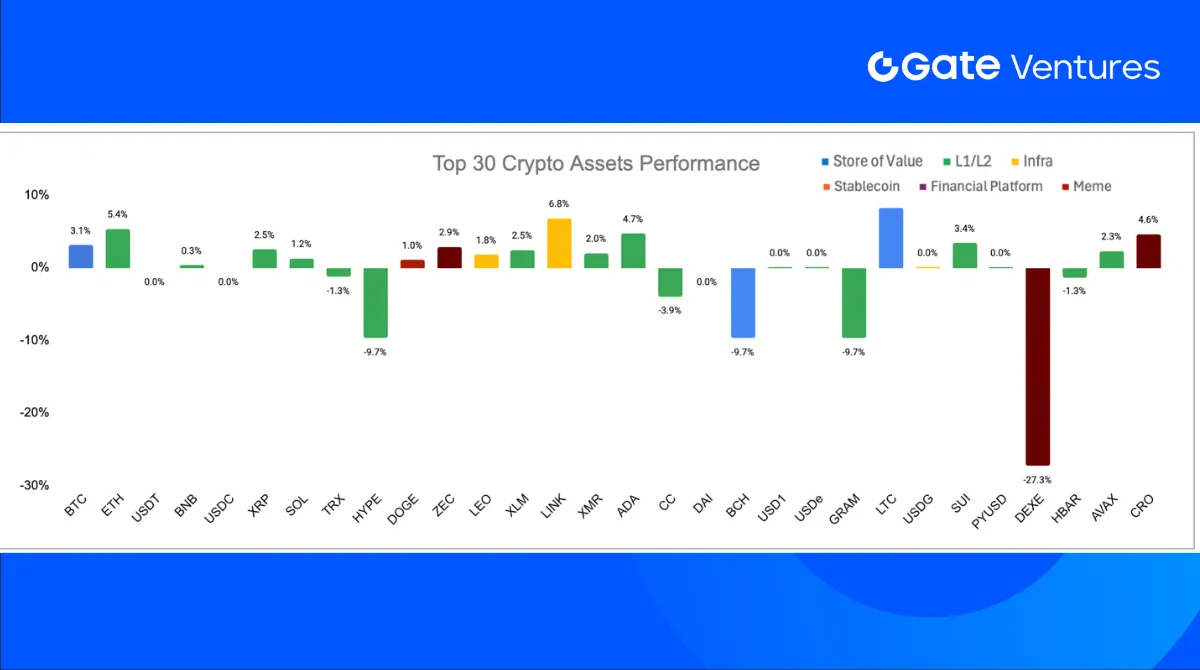
Source: Coinmarketcap and Gate Ventures, as of 20th July 2026
The top 30 cryptocurrencies dropped 0.3% on average last week, with Litecoin and Chainlink leading the market.
Litecoin gained 8.2% last week, supported by its recent integration into Clearstream’s institutional custody platform. (9)
LINK gained 6.8% last week, supported by DTCC’s planned integration of Chainlink standards into its Collateral AppChain platform in Q4 2026. The integration is expected to support pricing, valuation, collateral management and settlement workflows. (10)
The Key Crypto Highlights
Lawson and Netstars expand stablecoin payments in Japan
Japanese convenience-store chain Lawson will pilot yen-denominated stablecoin payments at a Tokyo store in August, using HashPort’s wallet and point-of-sale infrastructure to test integration with existing retail checkout systems. Separately, Netstars has launched a merchant payment service supporting USDC, USDT and JPYC across Solana and Polygon, allowing merchants to accept stablecoins through existing terminals while settling sales in yen without holding crypto or managing exchange-rate exposure. Together, the initiatives mark a broader shift from limited stablecoin trials toward practical merchant adoption in Japan’s regulated payments market. (11)
MiCA licensing momentum slows after transition deadline
ESMA added 14 crypto-asset service providers to its MiCA register, bringing the total number of licensed firms to 294, down from 37 additions in the previous post-deadline update. New entrants included Ripple Payments Europe and several European banks, highlighting continued institutional participation despite a slower licensing pace, while the registers for electronic money tokens and asset-referenced tokens remained unchanged. (12)
South Korea brings digital assets into state asset management framework
South Korea plans to introduce a new National Asset Basic Act that expands the definition of state assets to include digital assets and intellectual property, replacing its property-focused framework dating back to 1950. The government also plans a 2027 pilot linking tokenized government bonds with CBDC infrastructure and is exploring the tokenization of state-owned real estate, as part of a broader push toward regulated digital finance and a blockchain-based economy.(13)
Key Ventures Deals
Alpaca raises US$135M to scale agent-first brokerage infrastructure
Alpaca is a US-based, self-clearing brokerage infrastructure provider that enables fintechs, banks and crypto platforms to offer access to traditional and onchain assets through APIs. The company raised US$135 million in a round led by Peak XV, bringing total new financing to US$435 million including debt from Kraken parent Payward and BMO, following a US$1.15 billion valuation earlier in 2026. Alpaca plans to expand its regulated brokerage and prime brokerage infrastructure for tokenized markets and AI-native financial services, after surpassing US$1.5 billion in assets backing tokenized equities and growing monthly active API users nearly fourfold in six months. (15)
Flex raises US$70M to expand stablecoin-powered business banking
Flex is an AI-native financial platform serving mid-sized business owners through banking, payments, private credit and financial-management tools. The company raised US$70 million in a Series B1 led by Halo Fund, doubling its valuation to approximately US$1.2 billion and bringing total equity funding to US$180 million. The capital will support the expansion of Flex Global, which uses stablecoin settlement to provide faster cross-border payments, multi-currency accounts and financial services across more than 100 countries. (16)
Ventures Market Metrics
The number of deals closed in the previous week was 16, Infra having 14 deals, DeFi and Social having 1 respectively.
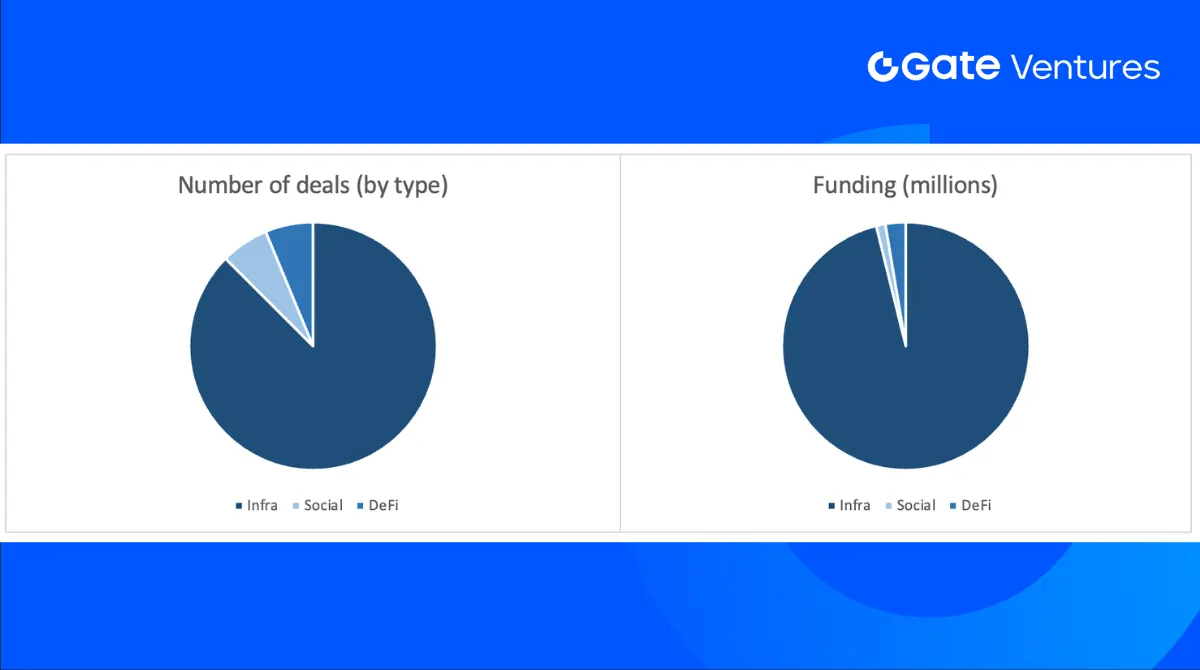
Weekly Venture Deal Summary, Source: Cryptorank and Gate Ventures, as of 20th Jul 2026
The total amount of disclosed funding raised in the previous week was $725.05M. 2 deals did not disclose the fundraising amount.
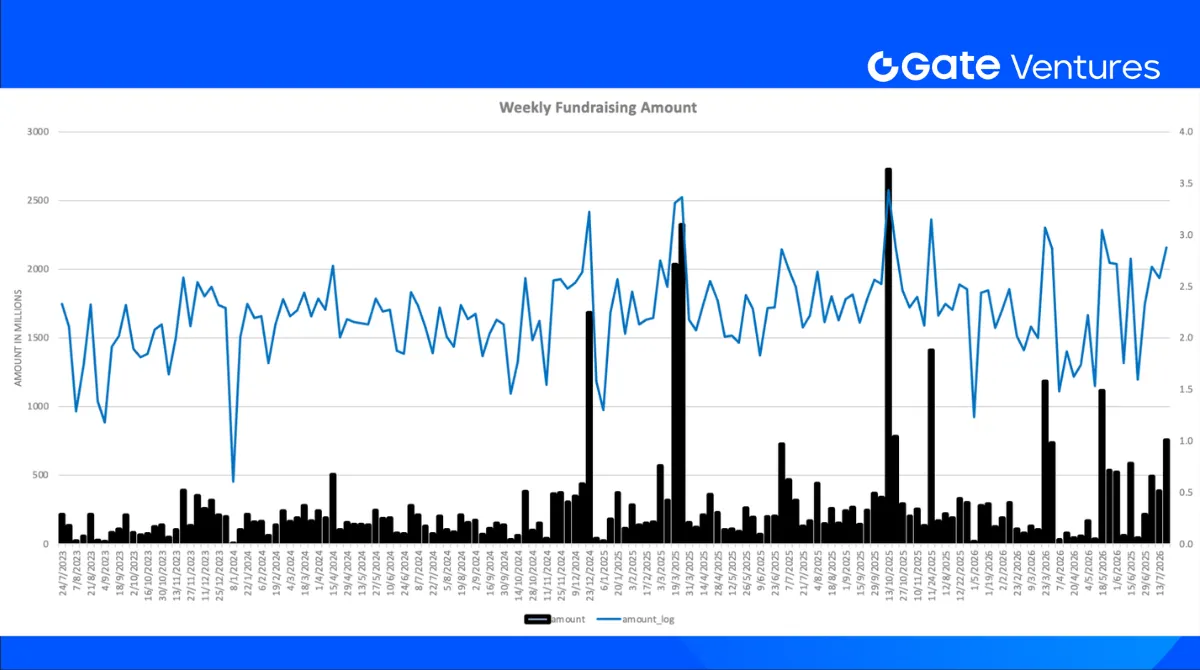
Weekly Venture Deal Summary, Source: Cryptorank and Gate Ventures, as of 20th Jul 2026
Total weekly fundraising surged to $754.05M for the third week of July-2026, an increase of 98% compared to the week prior.
About Gate Ventures
Gate Ventures, the venture capital arm of Gate.com, is focused on investments in decentralized infrastructure, middleware, and applications that will reshape the world in the Web 3.0 age. Working with industry leaders across the globe, Gate Ventures helps promising teams and startups that possess the ideas and capabilities needed to redefine social and financial interactions.
Website | Twitter | Medium | LinkedIn
The content herein does not constitute any offer, solicitation, or recommendation . You should always seek independent professional advice before making any investment decisions. Please note that Gate Ventures may restrict or prohibit the use of all or a portion of the services from restricted locations. For more information, please read its applicable user agreement.
Reference:
Reuters: World stocks fall in semiconductor rout; oil rises on Middle East escalation: https://www.reuters.com/world/china/global-markets-global-markets-2026-07-17/
DXY Index, TradingView, https://www.tradingview.com/chart/?symbol=ICEUS%3ADXY
US 10 Year Bond Yield, TradingView, https://www.tradingview.com/symbols/TVC-US10Y/
Gold Price, TradingView, https://www.tradingview.com/chart/?symbol=OANDA%3AXAUUSD
BTC & ETH ETF Inflow, https://sosovalue.com/tc/assets/etf/us-btc-spot
BTC Greed and Fear Index, https://alternative.me/crypto/fear-and-greed-index/
STRC Dividend, https://www.strategy.com/strc/dividends
STRC Dashboard https://bitcoinquant.co/preferred-equity
Litecoin Integration into Clearstream, https://coinmarketcap.com/community/articles/6a57b45f0a0e0f3639089149/
Chainlink Integration into DTCC, https://coinmarketcap.com/community/articles/6a54cd6ae4487a0b715bb144/
Lawson and Netstars expand stablecoin payments in Japan, https://cointelegraph.com/news/japan-lawson-netstars-stablecoin-payments
MiCA licensing momentum slows after transition deadline, https://cointelegraph.com/news/mica-licensing-momentum-slows-post-deadline
South Korea brings digital assets into state asset management framework, https://cointelegraph.com/news/south-korea-digital-assets-state-asset-management
Alpaca raises US$135M to scale agent-first brokerage infrastructure, https://www.businesswire.com/news/home/20260716033634/en/Alpaca-Raises-$135-Million-to-Scale-Agent-First-Brokerage-Infrastructure-for-Tokenized-Markets-and-AI-Native-Financial-Services
Flex raises US$70M to expand stablecoin-powered business banking, https://www.forbes.com/sites/digital-assets/2026/07/14/flex-raises-70-million-to-put--business-banking-on-stablecoin-rails/


