Dengan kemajuan pesat dalam Large Language Models (LLMs), AI visi, dan sistem multimodal, Humanoid Robots kini memiliki pemahaman dunia nyata yang jauh lebih kuat. Mereka bukan lagi sekadar "mesin otomatis" — melainkan berevolusi menjadi "tenaga kerja AI yang mampu bernalar."
Dalam lanskap ini, Figure AI menonjol sebagai salah satu pemain komersial paling representatif. Berbeda dengan perusahaan yang hanya berfokus pada perangkat keras robot, Figure AI mengutamakan sistem AI, umpan balik data, dan penerapan di dunia nyata, dengan tujuan membangun model bisnis jangka panjang yang menyerupai "sistem operasi robot."
Model bisnis Figure AI bukan sekadar menjual robot — melainkan membangun sistem pendapatan jangka panjang di sekitar "platform tenaga kerja robot."
Inti logikanya terbagi menjadi:
- Perangkat keras robot
- Sistem AI
- Penerapan di perusahaan
- Layanan jangka panjang
Artinya, Figure AI pada akhirnya akan lebih menyerupai platform komputasi awan daripada pabrikan robot tradisional.
Penjualan Perangkat Keras Robot Humanoid
Model yang paling sederhana, tentu saja, adalah penjualan perangkat keras robot.
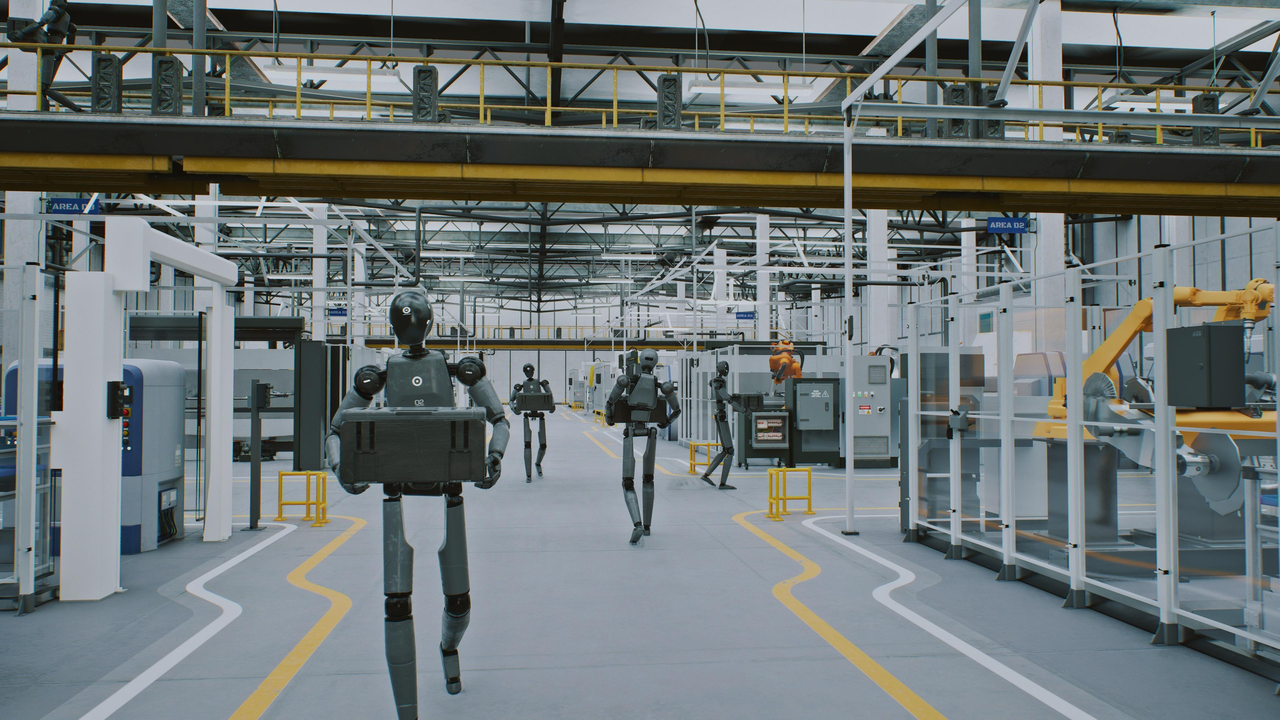
Figure AI saat ini sedang mengembangkan penerapan melalui Figure 01, Figure 02, dan Figure 03 yang akan datang. Robot-robot ini dapat digunakan di pabrik otomotif, logistik gudang, pengiriman ritel, dan perawatan medis.
Bagi perusahaan besar, nilai Humanoid Robots terletak pada kemampuannya untuk beradaptasi dengan lingkungan kerja manusia yang sudah ada tanpa perlu merombak infrastruktur secara total — inilah perbedaan utama dari robot industri tradisional.
Robot-as-a-Service (RaaS) Mungkin Menjadi Arah Inti
Alih-alih menjual robot secara satu kali, Robot-as-a-Service (RaaS) dipandang sebagai model bisnis inti jangka panjang yang lebih mungkin bagi Figure AI.
Model ini bekerja seperti SaaS perusahaan. Perusahaan tidak perlu membeli robot secara langsung — mereka membayar biaya layanan bulanan atau tahunan.
Figure AI menangani:
- Penerapan robot
- Peningkatan sistem AI
- Pemeliharaan dan perbaikan
Bagi pelanggan korporat, ini menekan biaya awal; bagi Figure AI, ini memberikan pendapatan berulang yang lebih terprediksi.
Ke depan, Humanoid Robots kemungkinan akan beralih ke model berbasis langganan, seperti halnya server komputasi awan.
Helix AI Bisa Menjadi Pendorong Pendapatan dari Perangkat Lunak
Helix AI adalah salah satu aset teknis paling kritis milik Figure AI.
Perusahaan robot tradisional bersaing dalam desain mekanis dan kontrol gerakan, namun Figure AI lebih menekankan pada sistem AI robot. Helix AI menggunakan arsitektur Vision-Language-Action (VLA), yang memungkinkan robot memahami lingkungan dunia nyata, menjalankan tugas kompleks, dan bernalar secara otonom.
Seiring waktu, Helix AI bisa berevolusi menjadi platform perangkat lunak yang berdiri sendiri.
Figure AI mungkin tidak hanya menjual robot, tetapi juga menawarkan:
- API AI Robotika
- Sistem robot perusahaan
- Platform kontrol Agen AI
Jika model ini terbukti berhasil, logika bisnis Figure AI akan menyerupai perusahaan platform AI, bukan pabrikan tradisional.
Mengapa Kemitraan dengan BMW Penting
BMW saat ini merupakan salah satu mitra komersial terpenting bagi Figure AI.
Hambatan terbesar industri Humanoid Robot bukanlah apakah robot bisa melakukan demo — melainkan apakah mereka bisa berfungsi di lingkungan produksi nyata.
Penerapan di pabrik BMW membuktikan bahwa Figure AI telah mulai memvalidasi nilai komersial robot di lingkungan industri aktual. Selain itu, setiap tugas yang dijalankan di pabrik turut melatih Helix AI secara berkelanjutan.
"Data dunia nyata" ini kemungkinan akan menjadi salah satu keunggulan kompetitif paling signifikan dalam industri Humanoid Robot.
BotQ adalah sistem manufaktur robot milik Figure AI.
Untuk Humanoid Robots, riset dan pengembangan hanyalah langkah awal — tantangan sesungguhnya adalah meningkatkan skala produksi. Tanpa sistem manufaktur yang matang, biaya robot tidak akan pernah turun.
Dengan mendorong BotQ, Figure AI pada dasarnya sedang membangun fondasi untuk produksi massal.
Dalam jangka panjang, industri Humanoid Robot kemungkinan akan mengarah pada:
- Manufaktur standar
- Perakitan otomatis
- Rantai pasok skala besar
Siapa pun yang berhasil membangun sistem manufaktur lebih dahulu kemungkinan besar akan menguasai pasar.
Saat ini, Figure AI berfokus pada penggunaan industri dan logistik, di mana nilai komersialnya lebih jelas.
Di pabrik, misalnya, robot dapat langsung menggantikan tenaga kerja berulang dan mengurangi biaya bagi perusahaan.
Namun dalam jangka panjang, robot rumah tangga mungkin menjadi peluang yang jauh lebih besar. Figure AI telah menunjukkan konsep awal untuk bantuan rumah tangga, perawatan lansia, dan menjalankan tugas sehari-hari.
Jika Humanoid Robots benar-benar masuk ke rumah-rumah, pasarnya bisa melampaui ponsel pintar. Meski demikian, hal ini masih memerlukan kemajuan lebih lanjut dalam penalaran AI, pengendalian biaya, dan sistem keselamatan.
Meskipun potensinya sangat besar, Figure AI masih menghadapi hambatan nyata.
Pertama, biaya — Humanoid Robots berkinerja tinggi masih sangat mahal.
Kedua, generalisasi AI — dunia nyata jauh lebih kacau daripada jalur perakitan pabrik, sehingga robot harus mampu menangani situasi yang tak terhitung jumlahnya.
Selain itu, daya tahan baterai, pemeliharaan, keselamatan, serta masalah hukum dan regulasi juga menjadi faktor penting.
Industri Humanoid Robot masih dalam tahap sangat awal, sehingga Figure AI pada dasarnya sedang membangun infrastruktur untuk ekonomi robot di masa depan.
Ringkasan
Model bisnis Figure AI bukan hanya tentang menjual Humanoid Robots — melainkan membangun ekosistem platform "AI + Robotika."
Melalui perangkat keras robot, Helix AI, Robot-as-a-Service, dan sistem otomatisasi perusahaan, Figure AI menciptakan jaringan tenaga kerja AI di dunia nyata.
Kesepakatan pabrik BMW, sistem manufaktur BotQ, dan peningkatan Helix AI yang berkelanjutan semuanya menunjukkan bahwa Figure AI bertransformasi dari perusahaan robotika tahap demo menjadi platform AI Robotika komersial yang sesungguhnya.
FAQ
Bagaimana Figure AI Menghasilkan Uang?
Figure AI kemungkinan besar menghasilkan pendapatan melalui sewa robot, penerapan di perusahaan, platform perangkat lunak AI, dan layanan pemeliharaan robot.
Apa Itu Robot-as-a-Service?
Robot-as-a-Service (RaaS) adalah model berlangganan di mana perusahaan membayar biaya penggunaan bulanan alih-alih membeli robot secara langsung.
Akankah Helix AI Menjadi Produk Mandiri?
Dalam jangka panjang, Helix AI bisa berevolusi menjadi platform AI Robotika independen yang menangani sistem penalaran dan otomatisasi robot.
Mengapa BMW Bermitra dengan Figure AI?
BMW ingin meningkatkan otomatisasi pabrik dengan Humanoid Robots, sementara Figure AI mendapatkan akses ke data industri nyata untuk pelatihan.
Akankah Figure AI Memasuki Pasar Robot Rumah Tangga?
Figure AI pada akhirnya mungkin memasuki robotika rumah tangga, tetapi prioritas saat ini tetap pada aplikasi industri dan logistik.
Apa Tantangan Terbesar Figure AI?
Tantangan terbesarnya mencakup biaya robot, generalisasi AI, daya tahan baterai, keselamatan, serta kemampuan manufaktur massal.