As the Web3 industry gradually moves away from purely token-driven narratives toward content creation and IP operations, the market has begun paying closer attention to projects with real game development capabilities, established character worlds, and long-term community culture. My Pet Hooligan is widely viewed as an important example of how GameFi and AI entertainment can come together. Its ecosystem covers not only on-chain asset trading, but also animation, social media content, and virtual character interaction.
Looking at the broader development of the digital asset industry, Web3 entertainment projects are shifting from “financialized NFTs” to “content-based digital IP.” Against this backdrop, the integrated entertainment model represented by My Pet Hooligan, combining games, AI, animation, and community, is becoming one of the key directions for on-chain entertainment ecosystems.
What Is the Background of My Pet Hooligan?
My Pet Hooligan was launched by AMGI Studios, a studio whose team members come from the animation, film, and gaming industries. Some members have backgrounds at entertainment companies such as Disney and Pixar. The project first entered the Web3 market through NFT characters, then gradually expanded into a transmedia entertainment ecosystem covering games, animation, and AI content.
Compared with traditional blockchain games, My Pet Hooligan places greater emphasis on long-term IP development rather than short-cycle token economics. The project builds a unified world around its “Hooligan” rabbit characters and extends those characters into gaming, animation, community distribution, digital identity, and other use cases.
At present, My Pet Hooligan has developed an ecosystem structure that includes a third-person shooter, NFT assets, AI virtual characters, and the Studio Chain Layer2. This model is closer to a digital entertainment brand than to a standalone blockchain game.
How Does the My Pet Hooligan Game Work?
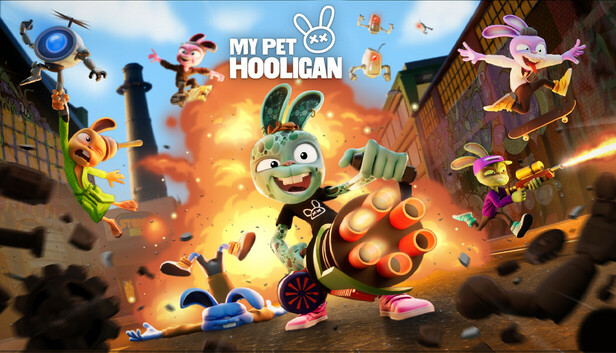
The core product of My Pet Hooligan is a third-person multiplayer shooter developed with Unreal Engine 5, which is now available on Xbox and the Epic Games Store. The game uses fast-paced action gameplay and combines open-area exploration, faction systems, and character progression to strengthen player interaction.
Players can control “Hooligan” rabbit characters and take part in PvP and PvE battles. Some characters and in-game assets can exist as NFTs, allowing them to be held and traded on-chain. Unlike traditional GameFi projects that tend to focus heavily on earning models, My Pet Hooligan puts more emphasis on gameplay and character culture, aiming to increase long-term user participation through content and entertainment value.
The project also introduces AI motion capture and virtual character technology, making character interactions feel more natural while gradually expanding toward AI-driven digital entertainment. In the future, community creators and user-generated content, or UGC, may also become important parts of the ecosystem.
What Is the Relationship Between HOOLI and KARRAT?
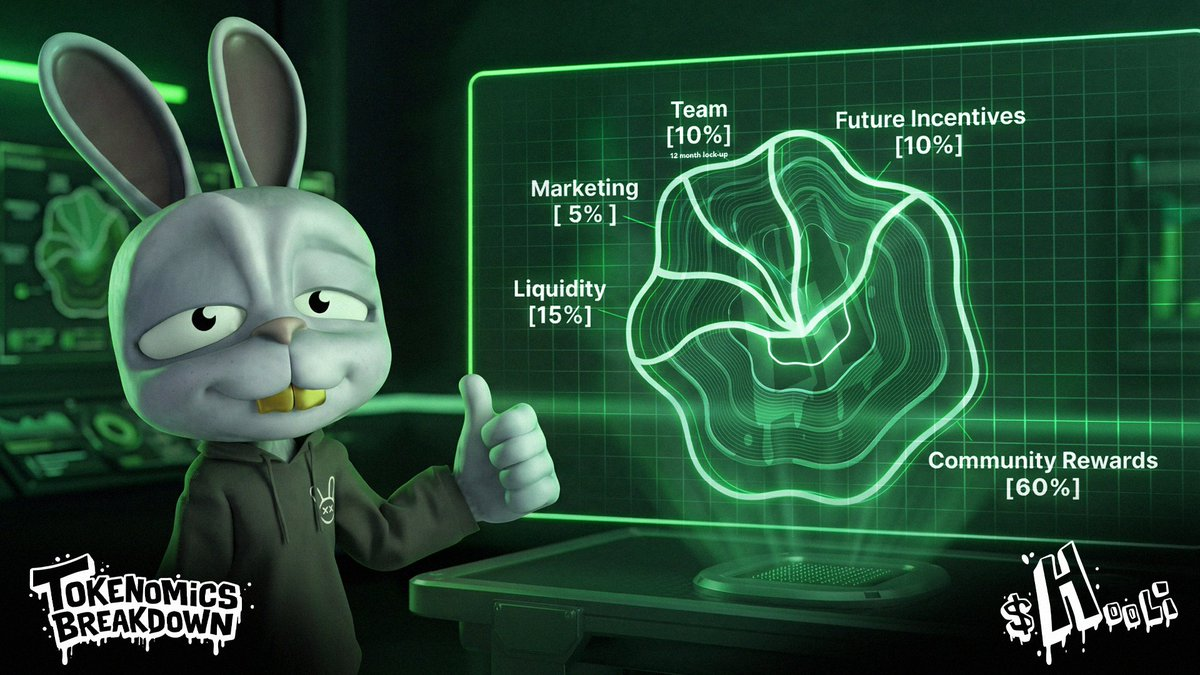
The My Pet Hooligan ecosystem uses a dual-token structure, in which HOOLI is more closely tied to entertainment interaction and the gaming ecosystem, while KARRAT supports Studio Chain’s governance, gas, and infrastructure functions.
The core logic behind this structure is to separate the “content ecosystem” from the “underlying network.”
Within the My Pet Hooligan ecosystem, HOOLI is closer to a user-facing content token. In the future, it may be used for game asset circulation, community interaction, and digital entertainment scenarios. KARRAT, by contrast, is more infrastructure-oriented and is responsible for supporting the operation and governance of Studio Chain.
What Is Studio Chain?
Studio Chain is the Layer2 infrastructure launched by My Pet Hooligan. Its goal is to provide an on-chain operating environment for entertainment content, AI virtual characters, and digital assets.
Unlike most Layer2 networks that focus primarily on DeFi, Studio Chain places greater emphasis on entertainment and content use cases. Its design direction includes game asset circulation, digital identity, AI content interaction, and NFT ecosystem support. This means the project is not only concerned with transaction efficiency, but also with the long-term operation of digital entertainment assets.
The core positioning of My Pet Hooligan is not just as a Web3 game, but as an AI-powered transmedia entertainment IP. In addition to the game, the project continues to expand into animation, social media content, and virtual character ecosystems, with the aim of building a long-term digital brand around the “Hooligan” characters.
This model is clearly different from traditional blockchain games. Many GameFi projects in the past relied more heavily on token incentives and NFT speculation, while My Pet Hooligan places greater emphasis on character culture, entertainment content, and community interaction. The role of NFTs within the ecosystem is also gradually shifting from “financial assets” to “character identity and content carriers.”
What Are the Market Focuses and Risks of My Pet Hooligan?
Market attention around My Pet Hooligan mainly comes from its combination of AI, GameFi, and transmedia IP. Compared with traditional blockchain game projects, its game product, animated content, and Studio Chain infrastructure form a more complete entertainment ecosystem.
At the same time, the project is developed with Unreal Engine 5 and is already available on Xbox and the Epic Games Store, giving it a degree of recognition among Web3 projects that have genuine game products. Its dual-token structure and AI virtual character narrative have also further strengthened market interest in its long-term entertainment ecosystem.
However, My Pet Hooligan still faces the typical challenges of Web3 entertainment projects, including user growth, content operating costs, market competition, and digital asset volatility. The digital asset market carries relatively high risk, and users should make their own judgments based on their personal risk tolerance.
How Is My Pet Hooligan Different From Traditional Blockchain Games?
Traditional blockchain games usually revolve around Play-to-Earn, NFT trading, and short-term liquidity, with a core logic that leans more toward financialized models. My Pet Hooligan, by contrast, places greater emphasis on long-term character IP, gameplay experience, and entertainment content, seeking to build lasting user relationships through community culture and digital branding.
In traditional GameFi, such as when compared with The Sandbox, NFTs in these projects tend to function more as tradable assets. In My Pet Hooligan, NFTs are closer to character identities and digital content carriers. The project also introduces AI virtual characters and animation expansion, so the ecosystem is no longer limited to an on-chain earning model.
Conclusion
My Pet Hooligan is a Web3 project that combines AI virtual characters, a third-person shooter, NFTs, and transmedia entertainment content. Through its Unreal Engine 5 game, Studio Chain Layer2, and dual-token model, its ecosystem builds an on-chain system designed for digital entertainment and community interaction.
Compared with traditional blockchain games centered on Play-to-Earn, My Pet Hooligan places greater emphasis on long-term IP operations, character culture, and AI entertainment experiences.
FAQs
What Is HOOLI?
HOOLI is the entertainment and interaction token within the My Pet Hooligan ecosystem. It is mainly used across gaming, community, and IP-related scenarios.
Is My Pet Hooligan a Blockchain Game?
My Pet Hooligan is a Web3 gaming project, but its positioning is not limited to blockchain gaming. It also covers AI entertainment and transmedia IP.
What Is the Difference Between KARRAT and HOOLI?
KARRAT is more focused on infrastructure governance and Layer2 network operations, while HOOLI is more closely tied to game interaction and the entertainment ecosystem.
Where Can You Play My Pet Hooligan?
It is currently available on Xbox and the Epic Games Store.
What Is Studio Chain?
Studio Chain is the Layer2 infrastructure launched by My Pet Hooligan. It is used to support entertainment assets and the AI content ecosystem.
Why Is My Pet Hooligan Getting Attention?
The project combines AI, GameFi, animated entertainment, and transmedia IP storytelling. It also has an Unreal Engine 5 game and a dual-token structure, which is why it has attracted market attention.