Os utilizadores que procuram cenários de aplicação da Ronin Network procuram perceber de que forma esta blockchain apoia projetos de jogos, contas de jogadores, mercados de NFT e sistemas económicos on-chain. Nos ecossistemas de jogos em blockchain, a blockchain atua como ferramenta de emissão de ativos, plataforma de confirmação de negociações, liquidação de pagamentos e gestão de ativos dos utilizadores.
Este tema abrange vários aspetos, como ativos de jogos on-chain, negociação de NFT, sistemas de pagamento, ferramentas para programadores e competição no ecossistema. Compreender estes cenários permite clarificar o papel específico da Ronin na infraestrutura de jogos Web3.
Quais são os principais cenários de aplicação da Ronin Network
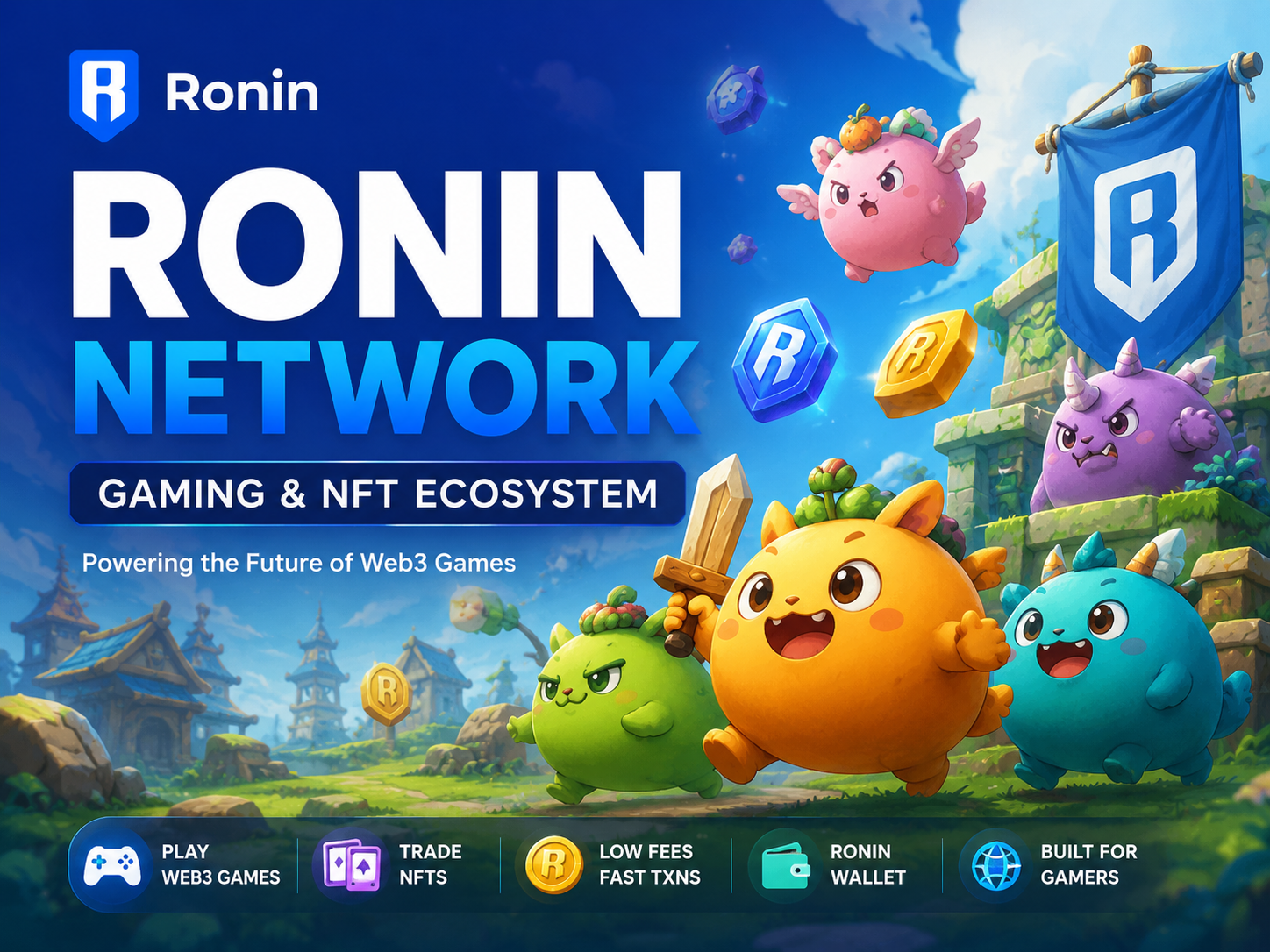
A Ronin Network estrutura-se em torno de ativos de jogos e interações entre jogadores. É uma rede blockchain especializada para jogos em blockchain, com foco em NFT, tokens de jogos, contas de jogadores e negociações on-chain.
Em primeiro lugar, os utilizadores adquirem ou compram ativos digitais no jogo. Estes ativos podem ser transferidos, negociados ou geridos através da Ronin. O sistema confirma a propriedade por registos on-chain, permitindo aos jogadores utilizar, vender ou manter ativos no ecossistema.
A missão principal da Ronin não é abranger todos os cenários de blockchain, mas sim otimizar interações de alta frequência em jogos Web3. Os jogadores de jogos em blockchain realizam frequentemente negociações, reivindicam recompensas, transferem NFT ou efetuam pagamentos no jogo, pelo que custos reduzidos e confirmações rápidas são essenciais.
Este mecanismo expande o papel da blockchain de simples emissão de ativos para funcionamento do sistema económico do jogo. Para jogadores, é a porta de entrada para gestão e negociação de ativos; para programadores, oferece o ambiente base para ciclos económicos dentro do jogo.
Como a Ronin suporta a negociação de ativos de jogos em blockchain
A negociação de ativos em jogos blockchain é um dos principais casos de uso da Ronin Network. Negociação de ativos de jogos em blockchain refere-se à transferência, compra, venda e confirmação on-chain de ativos como personagens, itens, terrenos, equipamentos ou tokens.
Os jogadores detêm NFT ou ativos tokenizados no jogo e iniciam transferências via Ronin Wallet ou plataformas de negociação do ecossistema. A Ronin verifica a negociação e atualiza a propriedade dos ativos, com a propriedade final registada on-chain, permitindo uso continuado ou nova negociação.
A Ronin permite circulação de ativos de alta frequência num ambiente on-chain de baixo custo. Ao contrário de colecionáveis, os ativos de jogos são utilizados, melhorados, negociados ou combinados frequentemente. Utilizar cadeias principais dispendiosas para cada operação prejudicaria a experiência do utilizador.
A vantagem da Ronin está em gerir negociações de ativos de jogos numa rede otimizada para interações de alta frequência, reduzindo custos para jogadores e promovendo atividade económica contínua nos jogos.
| Fase de aplicação |
Ação do utilizador |
Ação do sistema |
Papel da Ronin |
| Aquisição de ativos |
Adquirir NFT ou token do jogo |
Registar propriedade do ativo |
Fornecer confirmação on-chain |
| Transferência de ativos |
Enviar ativo para outra conta |
Verificar estado da negociação |
Permitir transferências de baixo custo |
| Negociação de ativos |
Comprar/vender itens ou personagens do jogo |
Atualizar registo de propriedade |
Facilitar circulação de NFT |
| Utilização no jogo |
Utilizar ativo no jogo |
Ler dados on-chain |
Ligar jogo à conta |
Esta estrutura demonstra que a Ronin suporta todo o ciclo de vida dos ativos de jogos blockchain – da aquisição e utilização à negociação.
O papel da Ronin no mercado de NFT
O impacto da Ronin no mercado de NFT reflete-se na confirmação de ativos e circulação de negociações. Ao contrário de NFT de arte ou avatar, NFT de jogos blockchain têm utilidade no jogo, representando personagens, equipamentos, terrenos, itens ou outros ativos utilizáveis.
O ponto central é que a Ronin transforma NFT de simples registos de base de dados em ativos on-chain geridos de forma independente. Os jogadores detêm NFT nas suas carteiras, enquanto os sistemas de jogos podem ler estes ativos e atribuir funções correspondentes.
Os projetos de jogos emitem NFT, que os jogadores adquirem através de jogos ou mercados. Os NFT podem ser negociados ou transferidos dentro do ecossistema Ronin, e os registos on-chain garantem verificação fiável de propriedade.
Este mecanismo oferece aos ativos de jogos um percurso claro de circulação no mercado de NFT. Os jogadores podem utilizar itens no jogo, visualizar, gerir e negociar ativos on-chain.
As aplicações de NFT da Ronin concentram-se em jogos blockchain, não em todos os tipos de NFT. A sua força está no suporte a negociações de alta frequência e gestão de ativos no jogo; a limitação é um ecossistema focado.
Como a Ronin suporta pagamentos no jogo e sistemas económicos
Pagamentos no jogo são outro caso de uso fundamental da Ronin Network. Nos projetos de jogos blockchain, os sistemas de pagamento abrangem transferências de tokens, distribuição de recompensas, compras de ativos, liquidação de taxas e interações económicas entre jogadores.
Sistemas económicos de jogos baseados em pagamentos on-chain devem garantir custo, velocidade e experiência de conta. A Ronin fornece a base para pagamentos no jogo através do token nativo RON, sistema de carteira e mecanismo de transações on-chain.
Os jogadores detêm ativos no jogo ou na carteira, iniciam compras, transferências ou liquidações e a rede Ronin processa as transações. As contas de jogo e estados de ativos on-chain são sincronizados.
Esta estrutura permite que a economia do jogo funcione em torno de ativos on-chain. Os jogadores podem pagar com tokens ou trocar ativos via NFT. Para programadores, pagamentos on-chain tornam a economia mais transparente e reduzem dependência de sistemas centralizados.
Os cenários de pagamento da Ronin abrangem não só transações individuais, mas todo o ciclo económico do jogo – recompensas, consumo, negociação e gestão de ativos compõem a estrutura interna dos jogos blockchain.
Porque os programadores escolhem a Ronin para projetos de jogos blockchain
Os programadores escolhem a Ronin porque oferece um ambiente on-chain otimizado para jogos. O desenvolvimento de jogos blockchain exige não só contratos inteligentes, mas também gestão de onboarding de jogadores, negociação de ativos, integração de carteiras e liquidação de pagamentos.
A vantagem da Ronin é consolidar estas capacidades centrais no ecossistema de jogos. Os programadores podem desenhar economias de jogos em torno da rede Ronin, carteira, negociação de NFT e sistemas de tokens, sem criar tudo de raiz.
Os programadores desenham ativos e sistemas económicos de jogos, implementam NFT, tokens ou lógica de negociação na Ronin e os jogadores interagem via carteiras. O sistema on-chain gere confirmação de ativos e liquidação de negociações.
Este mecanismo simplifica a integração da infraestrutura blockchain em projetos de jogos. Para jogos com interações frequentes de ativos, negociações de baixo custo, acesso à carteira e um ecossistema robusto são altamente valiosos.
A Ronin é ideal para projetos com foco claro em jogos. Aplicações que necessitem de portfólios DeFi complexos, liquidez multi-cadeia ou infraestrutura mais ampla podem preferir outras cadeias públicas ou soluções modulares.
Que infraestrutura estabeleceu o ecossistema Ronin
A infraestrutura do ecossistema Ronin centra-se em contas de jogadores, negociação de ativos, taxas de rede e aplicações de jogos. É um conjunto de módulos de suporte às operações de jogos blockchain, não apenas uma rede blockchain única.
A infraestrutura da Ronin inclui carteiras, tokens nativos, nodos validadores, plataformas de negociação de NFT, conectividade entre cadeias e integração de aplicações de jogos. Cada módulo suporta onboarding de utilizadores, gestão de ativos, execução de negociações e segurança da rede.
Os utilizadores gerem contas e ativos via Ronin Wallet, aplicações de jogos lêem NFT ou tokens das carteiras e nodos validadores processam negociações on-chain. O RON serve como Gas e token do ecossistema para liquidação de taxas e incentivos de rede.
Esta infraestrutura permite à Ronin suportar todo o processo de interação em jogos blockchain. Os jogadores não ficam limitados a contas internas do jogo e os programadores podem construir economias de jogos abertas em torno de ativos on-chain.
Quanto mais completa for a infraestrutura, mais fácil será para os projetos operarem de forma sustentável. O foco da Ronin é integrar capacidades de carteira, negociação, NFT e pagamento em cenários de jogos.
Competição da Ronin no setor de jogos Web3
A Ronin enfrenta concorrência no setor de jogos Web3 de outras infraestruturas de jogos blockchain, cadeias públicas generalistas e plataformas modulares de jogos. Cada rede apoia jogos blockchain de forma diferente, pelo que a competição resulta de abordagens técnicas e posicionamento no ecossistema.
A Ronin é uma rede dedicada a jogos, com ênfase em negociações de baixo custo, circulação de ativos e ciclos económicos internos. A Immutable foca-se em plataformas para programadores e infraestrutura de negociação de NFT, a Polygon destaca-se pela expansão multi-aplicação e a Ethereum oferece um ecossistema generalista robusto.
Os projetos de jogos blockchain avaliam custos de negociação de ativos, comparam experiência de carteira, barreiras de onboarding e ferramentas para programadores, escolhendo a rede mais adequada à economia do jogo. Diferentes infraestruturas competem pela integração de projetos, atividade de utilizadores e liquidez de ativos.
A força da Ronin está no foco claro em jogos e adequação para construção de ativos de jogos em circuito fechado. O desafio é manter atividade no ecossistema – se demasiado concentrado, o uso da rede pode ser afetado pelo desempenho de poucos jogos.
Resumo
Os cenários de aplicação da Ronin Network centram-se na negociação de ativos de jogos blockchain, mercados de NFT, pagamentos no jogo, integração de programadores e infraestrutura de jogos Web3. O valor central da Ronin é proporcionar um ambiente on-chain de baixo custo e alta frequência para ativos de jogos.
Os jogadores acedem ao ecossistema Ronin via carteiras, ativos de jogos são confirmados e negociados on-chain, e o sistema opera por validação de rede e mecanismos de tokens. A Ronin é ideal para construir economias de jogos baseadas em NFT, tokens e contas de jogadores.
Perguntas frequentes
Para que serve principalmente a Ronin Network
A Ronin Network destina-se a jogos Web3, negociação de NFT, gestão de ativos de jogos e pagamentos on-chain. O foco está no ecossistema de jogos blockchain, não em aplicações blockchain generalistas.
Pode a Ronin ser utilizada para negociação de NFT
A Ronin suporta negociação de NFT, especialmente para ativos de jogos como personagens, equipamentos, terrenos e itens. O ambiente de negociação de baixo custo aumenta a eficiência da circulação de NFT.
Como a Ronin ajuda projetos de jogos blockchain
A Ronin fornece infraestrutura de carteira, negociação, confirmação de ativos e liquidação de pagamentos para projetos de jogos blockchain, permitindo aos programadores desenhar economias de jogos em torno de ativos on-chain.
Em que diferem os cenários de aplicação da Ronin das cadeias públicas generalistas
A Ronin está focada em jogos blockchain e circulação de ativos NFT, enquanto cadeias públicas generalistas abrangem normalmente DeFi, Stablecoin, infraestrutura e aplicações diversas. O posicionamento do ecossistema é distinto.
A Ronin é adequada para todos os jogos Web3
A Ronin é ideal para jogos que exigem negociação de ativos de alta frequência, circulação de NFT e pagamentos on-chain. Projetos que requerem funcionalidades financeiras complexas ou ecossistemas multi-cadeia podem precisar de considerar outras infraestruturas.