В эпоху искусственного интеллекта крупные модели, высокопроизводительные вычисления и рост числа дата-центров требуют значительных ресурсов GPU, CPU и сетевых чипов. Полупроводники перестали быть лишь частью рынка потребительской электроники — сегодня они напрямую определяют темпы развития хэш-мощности ИИ, облачных сервисов и всей цифровой экономики.
В отличие от отдельных технологических акций, SOXX использует структуру ETF, охватывая всю цепочку создания стоимости полупроводников, включая такие компании, как NVIDIA, AMD и Broadcom. Для многих инвесторов SOXX стал ключевым бенчмарком для отслеживания тенденций на рынке ИИ-технологий США.
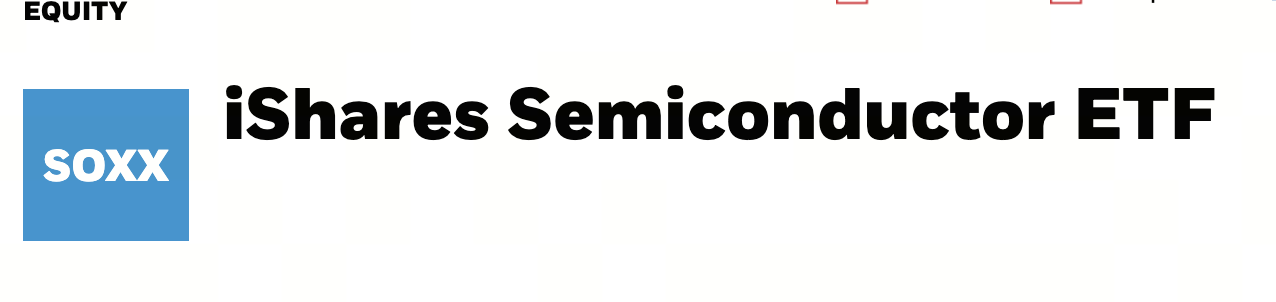
Источник: ishares.com
Что такое SOXX?
SOXX — это ETF, отслеживающий индустрию полупроводников США. Он инвестирует преимущественно в компании по проектированию чипов, производству оборудования для полупроводников и поставщиков технологической инфраструктуры. Его задача — отражать общее состояние сектора полупроводников США, а не динамику одной компании.
SOXX более сфокусирован, чем широкие технологические ETF. В то время как диверсифицированные ETF охватывают программное обеспечение, интернет, потребительскую электронику и облачные сервисы, SOXX концентрируется на цепочке поставок полупроводников. Поэтому его динамика тесно связана с ИИ, дата-центрами и циклом капитальных затрат в отрасли.
Индекс SOXX формируется на базе ведущих американских полупроводниковых компаний, обладающих значительными долями на рынках GPU, CPU, сетевых чипов, ИИ-ускорителей и оборудования для производства чипов. SOXX считается важным индикатором «здоровья индустрии полупроводников США».
С быстрым развитием ИИ полупроводники становятся не просто аппаратным обеспечением, а инфраструктурой цифровой экономики. Это повышает интерес рынка к SOXX.
Почему индустрия полупроводников в центре внимания в эпоху ИИ
Обучение и инференс ИИ-моделей требуют огромных вычислительных ресурсов, которые обеспечивают чипы. GPU, ИИ-ускорители и память с высокой пропускной способностью стали ключевыми компонентами современной инфраструктуры ИИ.
Раньше полупроводники относились к потребительской электронике — чипам для смартфонов, ПК, бытовой техники. С развитием генеративного ИИ, крупных моделей и облачных вычислений стратегическая значимость индустрии чипов резко выросла. Сейчас значительная часть капитальных затрат крупных технологических компаний на ИИ-инфраструктуру приходится на GPU и серверы дата-центров.
ИИ не только увеличивает спрос на чипы, но и меняет структуру всей технологической цепочки. Например:
- дата-центрам требуется больше ИИ-серверов
- облачные платформы нуждаются в более производительных чипах
- сетевому оборудованию необходима более высокая скорость передачи данных
Все это усиливает спрос на полупроводники.
ИИ запускает новый глобальный «цикл расширения инфраструктуры хэш-мощности», где полупроводниковые компании играют ключевую роль.
Компании, входящие в SOXX
В портфель SOXX обычно входят ведущие американские полупроводниковые компании. Компании, выпускающие GPU, ИИ-чипы и решения для дата-центров, занимают значительный вес в ETF.
Некоторые компании специализируются на проектировании чипов — ИИ-GPU, производительных CPU, сетевых чипов. Другие занимаются производственным оборудованием и инфраструктурой для полупроводников. По мере роста спроса на ИИ-чипы компании, связанные с дата-центрами, становятся все более значимыми для SOXX.
Цепочка создания стоимости в индустрии полупроводников включает:
- проектирование чипов
- производство пластин
- упаковку и тестирование
- оборудование для полупроводников
- инфраструктуру дата-центров
SOXX охватывает все эти сегменты, снижая зависимость от результатов одной компании.
В отличие от инвестиций в одну ИИ-акцию, SOXX позволяет участвовать в общем тренде индустрии полупроводников.
Как SOXX отражает индустрию полупроводников США
Динамика SOXX тесно связана с бизнес-циклом американской полупроводниковой отрасли. Когда растет спрос на ИИ, облачные вычисления и дата-центры, выручка и капитальные затраты чип-компаний увеличиваются, что поддерживает рост ETF.
Индустрия полупроводников циклична. Например:
- изменения в цикле складских запасов
- колебания капитальных затрат компаний
- изменения спроса на потребительскую электронику
- корректировки инвестиционных планов дата-центров
Все это влияет на результаты отрасли.
SOXX обычно более волатилен, чем широкие технологические индексы. Полупроводниковые компании — это, как правило, бизнесы с быстрым ростом и высокой оценкой. При росте аппетита к риску капитал идет в этот сектор, а в периоды спада возможны сильные коррекции.
SOXX отражает не только тренды ИИ, но и ожидания рынка по будущим инвестициям в технологии и глобальный экономический цикл.
Как расширение ИИ-дата-центров влияет на SOXX
Рост числа ИИ-дата-центров — один из главных драйверов популярности SOXX. По мере развития генеративного ИИ и крупных моделей ведущие технологические компании наращивают инвестиции в дата-центры для обучения и внедрения ИИ-моделей.
Этот тренд приводит к:
- росту спроса на GPU
- увеличению потребности в скоростных сетевых чипах
- расширению серверной и инфраструктуры хранения данных
- росту энергопотребления дата-центров
Все это напрямую связано с индустрией полупроводников.
Строительство ИИ-дата-центров требует долгосрочных инвестиций, поэтому рынок все больше смотрит на портфель заказов и потенциал выручки чип-компаний на несколько лет вперед. Именно поэтому тема ИИ заметно повысила оценку сектора полупроводников.
ИИ — это не только революция в программном обеспечении, но и «расширение аппаратной инфраструктуры и хэш-мощности». SOXX — ключевой представитель этого тренда на рынке капитала.
Чем SOXX отличается от таких активов, как NVDA и SMH
Главное отличие SOXX от отдельной чип-акции — диверсифицированная структура ETF. Инвестиции в одну компанию несут ее индивидуальные риски, а SOXX позволяет участвовать во всей индустрии полупроводников.
Если рост одной чип-компании замедляется, другие компании из сферы ИИ, сетей или оборудования в составе ETF могут показать сильный результат, сглаживая волатильность отдельных акций.
SOXX отличается и от других ETF на полупроводники. Некоторые ETF ориентированы на мировой рынок, а SOXX делает ставку на крупные американские компании, что усиливает его связь с инвестициями в ИИ-технологии США.
SOXX — это «инструмент отраслевого тренда», отражающий развитие сектора полупроводников на всем протяжении ИИ-цикла.
Структура рисков SOXX и источники волатильности
Несмотря на бурный рост сектора полупроводников благодаря ИИ, SOXX остается высоковолатильным активом. Сектор полупроводников цикличен, поэтому при снижении спроса выручка компаний может заметно колебаться.
Ажиотаж вокруг ИИ может быстро разогревать оценки. Если коммерциализация ИИ не оправдает ожиданий, высоко оцененные технологические акции могут резко скорректироваться, что отразится и на SOXX.
Важную роль играют глобальные цепочки поставок и геополитика:
- экспортные ограничения на чипы
- изменения в мировых производственных цепочках
- региональные риски снабжения
- международные торговые конфликты
Все это влияет на долгосрочные перспективы отрасли.
SOXX отражает рост ИИ и технологий, но его волатильность выше, чем у традиционных отраслевых ETF.
Почему ETF на полупроводники — долгосрочная инвестиционная идея
Полупроводники становятся долгосрочной инвестиционной темой, поскольку современная цифровая экономика строится на инфраструктуре хэш-мощности. ИИ, облачные вычисления, автономный транспорт и умные устройства требуют масштабной поддержки чипов.
Раньше чип-индустрию считали верхним производственным сегментом технологий. Сейчас полупроводники становятся «инфраструктурой цифровой эпохи», сравнимой по значимости с:
- электросетями
- коммуникационными сетями
- облачной инфраструктурой
и другими ключевыми отраслями.
Крупные технологические компании США продолжают наращивать капитальные вложения в ИИ и дата-центры, что поддерживает ожидания устойчивого роста сектора полупроводников.
SOXX — это не просто ETF на полупроводники, а ключевой рыночный индикатор инфраструктуры ИИ и глобального тренда цифровизации.
Итоги
SOXX — один из самых значимых ETF на полупроводники в США, охватывающий ключевых игроков в ИИ-чипах, дата-центрах и всей цепочке создания стоимости полупроводников.
С ростом ИИ, крупных моделей и спроса на хэш-мощность сектор полупроводников становится инфраструктурой цифровой экономики. SOXX — важный инструмент для отслеживания трендов ИИ-технологий.
В отличие от отдельных технологических акций, SOXX делает ставку на отраслевой охват и всю цепочку создания стоимости, фиксируя как ИИ-цикл, так и долгосрочную динамику индустрии полупроводников США.
Часто задаваемые вопросы
Что такое SOXX?
SOXX — это ETF, ориентированный на индустрию полупроводников США, инвестирующий преимущественно в компании по проектированию чипов, производству оборудования и ИИ-технологии.
Какие компании входят в SOXX?
SOXX обычно включает ведущие американские компании, работающие с GPU, CPU, сетевыми чипами и оборудованием для полупроводников.
Почему ИИ способствует росту SOXX?
ИИ требует масштабной инфраструктуры GPU и дата-центров, что увеличивает спрос на чипы и стимулирует рост сектора полупроводников.
Чем SOXX отличается от отдельной ИИ-акции?
SOXX — это ETF, который предоставляет доступ к нескольким компаниям из индустрии полупроводников, поэтому его риски ниже, чем у одной технологической акции.
Каковы риски ETF на полупроводники?
Ключевые риски — волатильность отраслевого цикла, коррекции оценок ИИ, сбои в глобальных цепочках поставок и снижение капитальных затрат в технологиях.