Unibase (UB) adalah infrastruktur terdesentralisasi yang dirancang untuk memori jangka panjang Agen AI dan interoperabilitas antar-agen. Platform ini memberdayakan AI otonom dengan pembelajaran berkelanjutan dan kolaborasi melalui Lapisan Memori, protokol terbuka, dan sistem data on-chain. Seiring perkembangan Agen AI dari sekadar alat obrolan sederhana menjadi entitas digital otonom yang mampu mengeksekusi tugas dan berkolaborasi lintas platform, memori jangka panjang, manajemen identitas, dan komunikasi antar-agen muncul sebagai pilar penting infrastruktur AI.
Dalam beberapa tahun terakhir, perpaduan AI dan Web3 telah mendorong lahirnya konsep "Open Agent Internet." Berbeda dengan platform AI tradisional yang bergantung pada basis data terpusat dan ekosistem tertutup, jaringan AI terdesentralisasi mengutamakan kepemilikan data, kolaborasi agen lintas platform, serta sinkronisasi status yang dapat diverifikasi. Unibase bertujuan menyediakan arsitektur fundamental bagi Agen AI, semacam "otak jangka panjang," sehingga berbagai AI dapat terus mengumpulkan pengetahuan, berbagi konteks, dan beroperasi secara mandiri dalam lingkungan on-chain.
Apa Itu Unibase?
Unibase adalah Lapisan Memori terdesentralisasi yang dikhususkan untuk Agen AI. Misi utamanya adalah mengatasi keterbatasan Agen AI dalam hal memori jangka panjang, kolaborasi lintas platform, dan verifiabilitas data.
Sistem AI tradisional biasanya mengandalkan jendela konteks yang terbatas, sehingga tidak mampu menyimpan riwayat pengguna, status tugas, atau informasi lingkungan dalam jangka waktu lama. Akibatnya, AI harus terus-menerus mengambil ulang konteks saat menangani tugas kompleks, yang menghambat pembelajaran berkelanjutan. Unibase mengatasi masalah ini melalui modul-modul seperti Membase, Protokol AIP, dan Unibase DA, yang memberikan memori jangka panjang dan sinkronisasi status on-chain kepada Agen AI.
Dalam arsitektur Unibase, AI bukan lagi sekadar model tunggal, melainkan agen digital yang persisten dengan identitas dan kemampuan kolaboratif. Desain ini merupakan elemen kunci dalam Open Agent Internet.
Apa Itu Open Agent Internet?
Open Agent Internet dapat diartikan sebagai jaringan terbuka tempat para Agen AI saling terhubung dan berinteroperasi.
Di internet tradisional, pengguna manusia berinteraksi melalui akun, peramban, dan aplikasi. Sementara di Open Agent Internet, Agen AI berkomunikasi, bertukar status, menjalankan tugas, dan berbagi sebagian pengetahuan atau konteks melalui protokol yang terpadu.
Perubahan mendasar di sini adalah bahwa Agen AI tidak lagi terbatas pada satu platform. Mereka dapat memanggil alat dari berbagai aplikasi, mempertahankan identitas jangka panjang, serta menjalin hubungan kolaboratif dengan agen lain. Unibase berupaya mewujudkan visi ini secara terdesentralisasi, memastikan bahwa memori, komunikasi, dan penyimpanan data Agen AI tidak dikendalikan oleh satu platform pun.
Bagaimana Arsitektur Inti Unibase Bekerja?
Arsitektur dasar Unibase terdiri dari tiga komponen utama: Membase, Protokol AIP, dan Unibase DA.
| Modul |
Fungsi |
| Membase |
Sistem memori AI jangka panjang |
| Protokol AIP |
Protokol komunikasi dan identitas agen |
| Unibase DA |
Lapisan ketersediaan data |
Membase menyimpan konteks jangka panjang dan status historis Agen AI, sehingga agen dapat mengingat informasi masa lalu kapan saja. Protokol AIP (Agent Interoperability Protocol) mengelola identitas agen, izin, dan komunikasi lintas platform, sehingga agen dari berbagai jenis dapat bertukar informasi dan berbagi status. Unibase DA (Data Availability) menyediakan penyimpanan data dan sinkronisasi dengan throughput tinggi, yang mendukung beban kerja AI.
Ketiga lapisan ini bersama-sama membentuk infrastruktur terdesentralisasi yang memungkinkan Agen AI beroperasi secara persisten dalam jaringan terbuka.

Apa Itu Membase?
Membase adalah sistem memori AI jangka panjang milik Unibase.
Model bahasa besar tradisional bergantung pada jendela konteks jangka pendek, sehingga sebagian besar status hilang saat percakapan berakhir. Padahal, memori jangka panjang sangat penting bagi AI otonom, sebab tugas kompleks memerlukan akumulasi pengalaman historis secara terus-menerus.
Fungsi Membase meliputi:
- Menyimpan riwayat interaksi pengguna
- Menyimpan status tugas
- Mengelola segmen pengetahuan
- Menyediakan pengambilan konteks jangka panjang
- Mendukung memori bersama multi-agen
Desain ini mengubah Agen AI dari sekadar alat tanya jawab satu kali menjadi entitas digital yang persisten. Di lingkungan terdesentralisasi, memori jangka panjang juga memunculkan isu kepemilikan data dan verifiabilitas, sehingga Unibase menggabungkan verifikasi on-chain dengan arsitektur penyimpanan terdistribusi untuk mengelola memori AI.
Bagaimana Protokol AIP Memungkinkan Interoperabilitas Agen?
Protokol AIP adalah protokol interoperabilitas agen milik Unibase yang menetapkan standar komunikasi terpadu antar Agen AI.
Di Open Agent Internet, Agen AI bisa berasal dari platform, model, atau aplikasi yang berbeda tanpa standar komunikasi yang seragam. Tanpa protokol terpadu, berbagi status dan berkolaborasi menjadi sulit. Protokol AIP menangani manajemen identitas agen, sinkronisasi status, kontrol izin, dan komunikasi antar-agen.
Sistem ini mirip dengan alamat dompet dan antarmuka Smart Contract di Web3. Dengan menstandarisasi interaksi, berbagai Agen AI dapat membentuk hubungan kolaboratif dalam jaringan terbuka. Seiring pertumbuhan sistem multi-agen, protokol interoperabilitas menjadi komponen vital infrastruktur AI.
Apa Itu Unibase DA?
Unibase DA adalah lapisan ketersediaan data yang dirancang khusus untuk Agen AI.
Agen AI terus menghasilkan data dalam jumlah besar selama beroperasi, termasuk status percakapan, pembaruan memori, catatan panggilan alat, dan hasil eksekusi tugas. Blockchain tradisional kesulitan menangani data AI frekuensi tinggi seperti ini, sehingga Unibase menghadirkan arsitektur ketersediaan data yang khusus.
Ketersediaan data memastikan aksesibilitas data, meningkatkan throughput jaringan, dan menekan biaya penyimpanan. Bagi jaringan Agen AI, lapisan ini berfungsi sebagai fondasi infrastruktur untuk memori jangka panjang dan sinkronisasi status.
Apa Tujuan Token UB?
UB adalah token asli jaringan Unibase, terutama digunakan untuk operasi protokol dan insentif ekosistem.
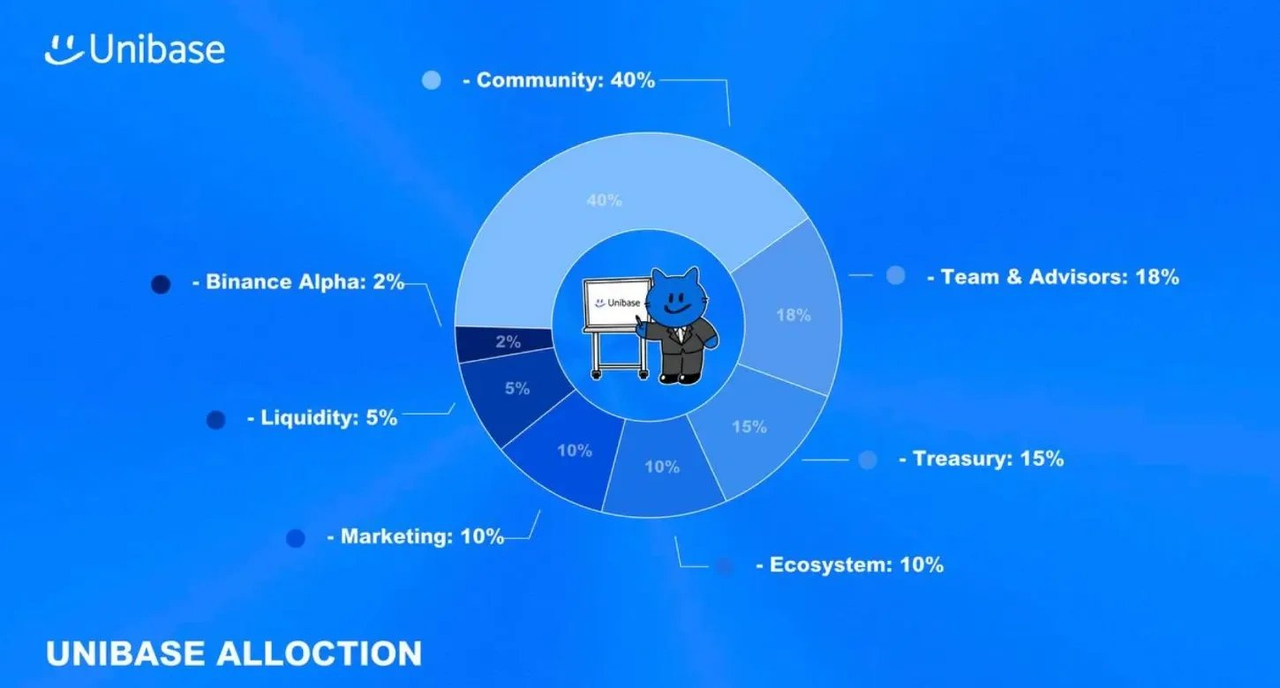
UB mencakup biaya protokol, pendaftaran agen, insentif node, penyimpanan data, dan tata kelola jaringan. Dalam beberapa desain, UB juga dapat digunakan untuk staking agen dan tata kelola guna mengoordinasikan sumber daya serta menjaga kelangsungan operasi sistem.
Karena model ekonomi proyek AI Infra dapat berubah seiring peningkatan protokol, pengumuman resmi harus dijadikan acuan utama.
Apa Saja Kasus Penggunaan Unibase?
Seiring Agen AI memperoleh kemampuan otonom, infrastruktur memori jangka panjang dan interoperabilitas mulai diterapkan di dunia nyata.
Dalam kolaborasi multi-agen, berbagai AI berbagi status dan memori untuk bersama-sama melakukan penelitian, analisis data, atau operasi otomatis. Dalam skenario asisten AI terdesentralisasi, AI dapat menyimpan preferensi pengguna dan konteks historis dalam jangka panjang tanpa bergantung sepenuhnya pada basis data platform terpusat.
Agen perdagangan otonom dapat menggabungkan riwayat pasar jangka panjang dengan status real-time untuk operasi berkelanjutan, sementara jaringan pengetahuan terdesentralisasi memungkinkan Agen AI saling berbagi fragmen pengetahuan dan konteks. Dengan pertumbuhan DAO AI dan sistem kolaborasi otonom, memori jangka panjang dan identitas agen menjadi semakin penting.
Apa Perbedaan Unibase dengan Proyek AI Infra Lainnya?
Lanskap AI Crypto saat ini mencakup Komputasi AI, Data AI, Kerangka Kerja Agen AI, Lapisan Memori AI, dan DA AI.
| Tipe |
Arah Perwakilan |
| Komputasi AI |
Daya komputasi terdesentralisasi |
| Data AI |
Pasar data (data marketplace) |
| Kerangka Kerja Agen AI |
Kerangka kerja pengembangan agen |
| Lapisan Memori AI |
Sistem memori jangka panjang |
| DA AI |
Ketersediaan data AI |
Dibandingkan dengan Virtuals, Unibase lebih berfokus pada Lapisan Memori AI dan infrastruktur Interoperabilitas Agen, bukan sekadar menawarkan komputasi GPU atau layanan model AI. Perbedaan utamanya meliputi struktur data terdesentralisasi, sistem memori jangka panjang, komunikasi antar-agen, serta arsitektur yang dibangun secara native di atas Web3.
Kesimpulan
Unibase (UB), sebagai lapisan memori terdesentralisasi dan infrastruktur interoperabilitas untuk Agen AI, bertujuan mengatasi keterbatasan AI dalam memori jangka panjang, kolaborasi agen, dan verifiabilitas data.
Seiring Agen AI berevolusi dari alat obrolan menjadi entitas digital otonom, memori jangka panjang, protokol identitas, dan jaringan komunikasi terbuka menjadi arah utama pengembangan AI Infra. Melalui Membase, Protokol AIP, dan arsitektur ketersediaan data, Unibase berupaya membangun infrastruktur dasar bagi Open Agent Internet.
FAQ
Apa fungsi Membase?
Membase menyimpan konteks jangka panjang, status historis, dan data pengetahuan Agen AI, sehingga memungkinkan pembelajaran berkelanjutan dan pengambilan informasi masa lalu.
Apa itu Protokol AIP?
Protokol AIP adalah protokol komunikasi agen milik Unibase yang memungkinkan manajemen identitas Agen AI, sinkronisasi status, dan kolaborasi agen lintas platform.
Mengapa Agen AI memerlukan memori jangka panjang?
Memori jangka panjang memungkinkan AI menyimpan status historis, belajar secara berkelanjutan, dan menjalankan tugas kompleks tanpa hanya mengandalkan konteks jangka pendek.
Apa peran Unibase DA?
Unibase DA adalah lapisan ketersediaan data yang mendukung penyimpanan data frekuensi tinggi, sinkronisasi, serta verifikasi on-chain untuk Agen AI.
Apa tujuan Token UB?
UB digunakan untuk biaya protokol, tata kelola jaringan, insentif node, dan partisipasi dalam ekosistem.