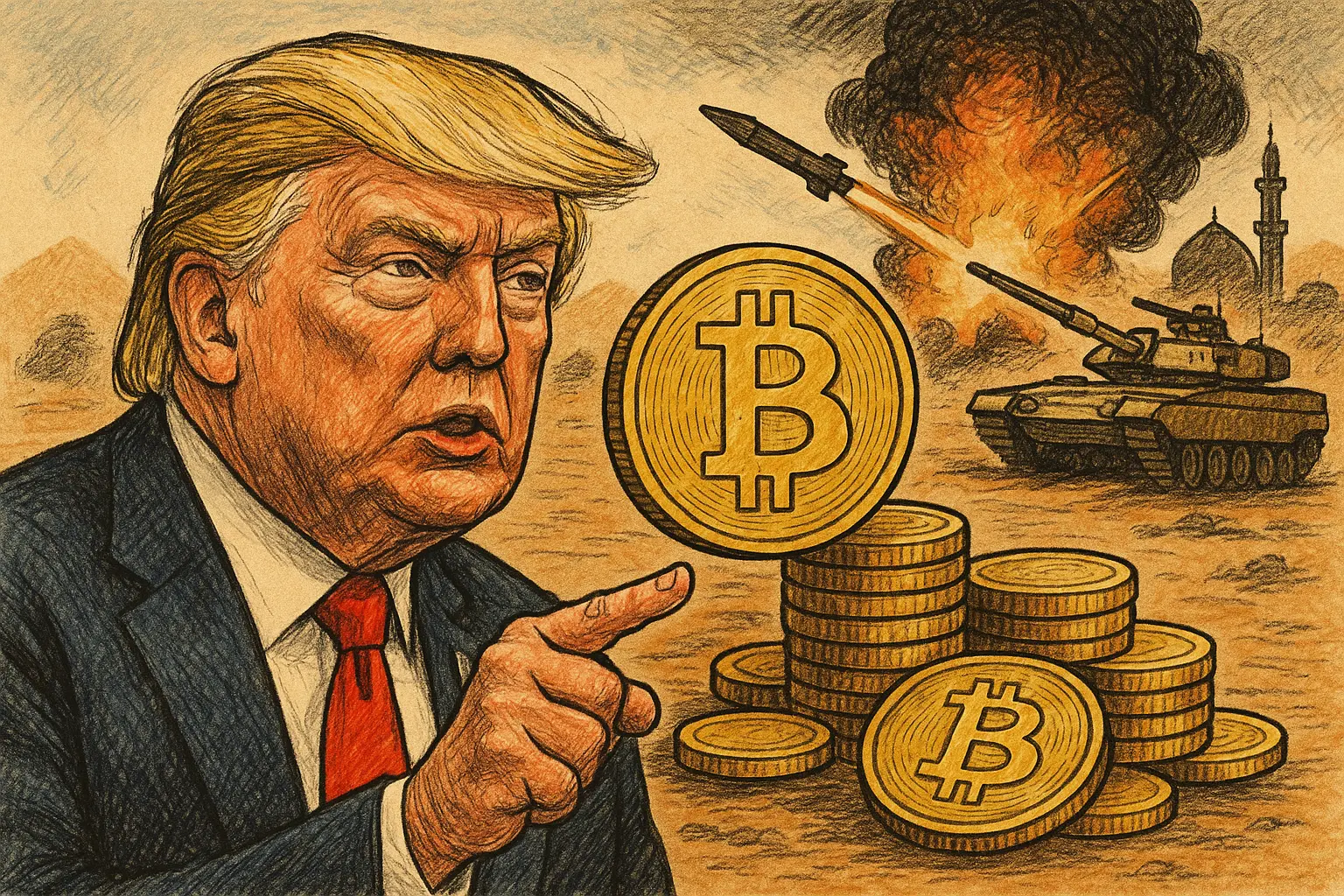
Au 12 mai, le Bitcoin oscille en étroite fourchette entre 80 000 et 82 000 dollars ; d’après un article d’Axios du 12 mai citant trois responsables américains, Trump a convoqué lundi le Conseil national de sécurité (NSC) pour évaluer s’il faut reprendre des opérations militaires contre l’Iran, tandis que l’accord de cessez-le-feu entre les États-Unis et l’Iran continue de subir une forte pression ; les ETF américains spot sur le Bitcoin ont enregistré des entrées nettes pour 9 séances consécutives début mai, portant le total à 2,7 milliards de dollars.
Cours du Bitcoin et flux de capitaux des ETF
D’après les données de marché, au cours de la semaine passée, le BTC a surtout évolué entre 80 000 et 82 000 dollars, et se situe actuellement autour de 82 000 dollars ; il est en baisse d’environ 22 % en glissement annuel, avec un écart important par rapport aux plus hauts de plus de 126 000 dollars atteints en octobre 2025 ; le précédent rebond modéré s’est produit plus tard la semaine dernière, après que le secrétaire d’État américain Rubio (Rubio) a laissé entendre que le risque de voir éclater un conflit militaire supplémentaire avec l’Iran diminuait.
D’après des données publiques, les ETF américains spot sur le Bitcoin ont enregistré en avril des entrées nettes d’environ 1,9 milliard de dollars, soit le plus haut niveau depuis octobre 2025, et ont ramené les flux YTD en territoire positif ; depuis le lancement des produits concernés en 2024, les entrées cumulées sont proches de 58 milliards de dollars. Début mai, sur 9 séances consécutives, les entrées nettes ont totalisé environ 2,7 milliards de dollars ; on estime que cela a réduit l’offre de Bitcoin en circulation de 33 000 à 35 000 unités. La demande se concentre principalement sur BlackRock IBIT et Fidelity FBTC.
Projet de loi CLARITY et lobbying de l’industrie bancaire (ABA)
Selon un article, le projet de loi « CLARITY Act » (CLARITY), visant à clarifier la compétence de la SEC et de la CFTC sur la majorité des actifs numériques, doit être soumis prochainement à l’examen du comité des banques du Sénat américain ; il est prévu qu’un vote en séance plénière ait lieu après un compromis sur la question des rendements liés aux stablecoins au cours de l’été, s’appuyant sur le cadre de stablecoins du « GENIUS Act ».
Le directeur général de l’American Bankers Association (ABA), Rob Nichols, a, dans une lettre adressée aux banques membres le dimanche, exhorté les dirigeants bancaires à faire pression auprès des sénateurs avant la réunion de jeudi du comité des banques du Sénat, en avertissant que les clauses relatives aux rendements des stablecoins pourraient entraîner des dépôts provenant des banques traditionnelles au profit de stablecoins rémunérés. Le responsable juridique de Coinbase, Paul Grewal, a déclaré que le secteur bancaire avait déjà obtenu des concessions partielles lors des négociations à la Maison-Blanche ; le sénateur Bernie Moreno a accusé le secteur bancaire de chercher à étouffer l’innovation et s’est engagé à soutenir l’avancement de ce texte.
Situation du cessez-le-feu USA-Iran : l’article d’Axios sur la réunion du NSC
D’après un article d’Axios du 12 mai 2026 citant trois responsables américains, après l’impasse des négociations avec l’Iran dimanche, Trump a convoqué lundi des membres seniors du NSC pour évaluer la prochaine étape de la guerre avec l’Iran, les options incluant la reprise d’actions militaires ; l’une des options consiste à frapper 25 % des cibles identifiées mais pas encore attaquées ; selon le rapport, les responsables présents devraient inclure le vice-président Vance, l’envoyé spécial Witkoff, le secrétaire d’État Rubio, le secrétaire à la Défense Hegseth, le général Dan Cain, président de l’état-major interarmes, ainsi que le directeur de la CIA John Ratcliffe.
Dans un échange avec la presse dans le bureau ovale de la Maison-Blanche, Trump a déclaré que l’accord de cessez-le-feu est actuellement « trop fragile pour être crédible », en le décrivant comme un mode « maintien des fonctions vitales », et a indiqué que la probabilité de survie serait « environ de 1 % », en raison de la contre-proposition « inacceptable » présentée par l’Iran. Les exigences iraniennes incluent la fin des combats sur tous les fronts, une indemnisation des pertes subies par les États-Unis et la restitution du contrôle du détroit d’Ormuz, mais n’abordent pas la question des armes nucléaires. Trump avait auparavant exigé clairement que l’Iran ne dispose pas d’armes nucléaires. Il a également ajouté qu’il envisageait de relancer « Project Freedom », mais sans avoir pris de décision finale.
FAQ
Quelle est l’ampleur des entrées de fonds des ETF spot sur le Bitcoin en avril et début mai ?
D’après des données publiques, en avril, les ETF américains spot sur le Bitcoin ont enregistré des entrées nettes d’environ 1,9 milliard de dollars, le plus haut niveau depuis octobre 2025 ; début mai, sur 9 séances consécutives, les entrées nettes ont cumulé environ 2,7 milliards de dollars ; on estime que cela a réduit l’offre de BTC en circulation sur le marché de 33 000 à 35 000 unités, et que l’ensemble des flux depuis le lancement en 2024 s’élève à près de 58 milliards de dollars.
Quels sont le cœur du « CLARITY Act » et l’état d’avancement actuel de la législation ?
Selon l’article, le CLARITY Act vise à clarifier la compétence de la SEC et de la CFTC sur la majorité des actifs numériques ; le texte doit être soumis prochainement au comité des banques du Sénat. En parallèle, l’ABA mène un lobbying auprès du secteur bancaire concernant les clauses sur les rendements des stablecoins, et Coinbase ainsi que le sénateur Bernie Moreno ont tous deux formulé des objections.
Quelles sont les principales informations rapportées par Axios sur la situation du cessez-le-feu USA-Iran ?
D’après un article d’Axios du 12 mai 2026 citant trois responsables américains, Trump a convoqué lundi le NSC pour évaluer s’il faut reprendre des actions militaires contre l’Iran ; Trump a déclaré que l’accord de cessez-le-feu est en « maintien des fonctions vitales », et que l’Iran a présenté une contre-proposition incluant notamment la récupération du contrôle d’Ormuz, sans toutefois mentionner la question des armes nucléaires ; les divergences entre les deux parties persistent.


