ChintuBhai

vip
Active for: 0y
Peak Tier 0
No content yet
IPO
2,224 views
2026-07-24 14:44
  • Reward
  • Comment
  • Repost
  • Share
[IPO]
1,237 views
2026-07-24 13:08
  • Reward
  • Comment
  • Repost
  • Share
Is AI-powered trading the future, or just another market hype cycle?
With models like Gemini, Claude, and ChatGPT reshaping the conversation, many are asking whether AI can truly analyze markets and consistently outperform human traders.
Gate Founder and CEO @Han_Gate shares his perspective on where AI delivers real value today: helping users gather, process, and summarize vast amounts of information. But when it comes to making the final decision, human judgment remains essential.
Rather than replacing humans, AI has the potential to empower people to make more informed, confident decisions.
Gate_Square
Is AI-powered trading the future, or just another market hype cycle?
With models like Gemini, Claude, and ChatGPT reshaping the conversation, many are asking whether AI can truly analyze markets and consistently outperform human traders.
Gate Founder and CEO @Han_Gate shares his perspective on where AI delivers real value today: helping users gather, process, and summarize vast amounts of information. But when it comes to making the final decision, human judgment remains essential.
Rather than replacing humans, AI has the potential to empower people to make more informed, confident decisions.
How will AI transform trading and the way we work in Web3?
Watch highlights from this episode of GateCast 👇
#Gate
  • Reward
  • 3
  • 2
  • Share
CryptoZyra:
To The Moon 🌕
View More
🔹 U.S.–Iran tensions continue to escalate! U.S. stocks close low
1,369 views
2026-07-24 03:58
  • Reward
  • 2
  • Repost
  • Share
PrinceMagsi786:
To The Moon 🌕
View More
Perp DEX attacked again! AFX Trade loses 24.15 million USDC—has
1,499 views
2026-07-23 16:15
  • Reward
  • 3
  • Repost
  • Share
PrinceMagsi786:
LFG 🔥
View More
Whale returns after three months of silence! OTC purchase of 27,
354 views
2026-07-23 14:52
  • Reward
  • 2
  • Repost
  • Share
PrinceMagsi786:
2026 GOGOGO 👊
View More
Crypto Market updates
1,189 views
2026-07-23 09:19
  • Reward
  • 2
  • Repost
  • Share
PrinceMagsi786:
To The Moon 🌕
View More
Tesla’s BTC holdings revealed! Bitcoin holdings remain at 11,509
1,246 views
2026-07-23 03:52
  • Reward
  • 3
  • Repost
  • Share
PrinceMagsi786:
To The Moon 🌕
View More
#SummerCreationCamp
#夏日创作营 ☀️
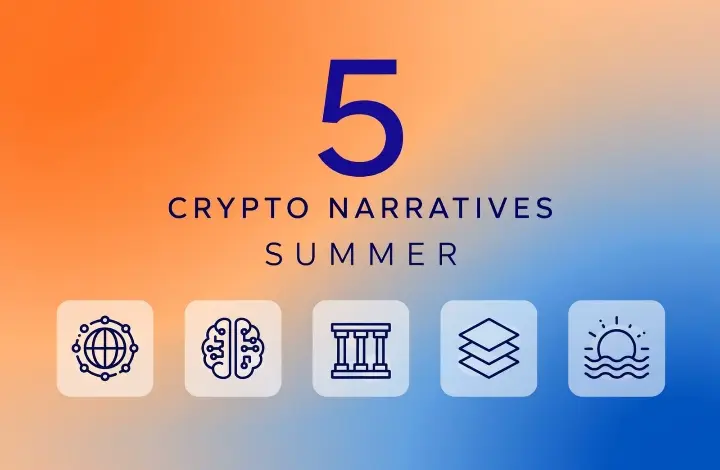
5 Crypto Narratives I’m Watching This Summer And Why They Matter
Crypto markets are rarely driven by price alone. Behind every major move, there is usually a narrative that attracts capital, developers, users, and attention. This summer, I’m watching five narratives particularly closely: Bitcoin as a long-term digital asset, Ethereum and the growth of on-chain applications, stablecoins and the expansion of digital payments, AI x Crypto, and the evolution of tokenized real-world assets (RWAs). The first narrative is Bitcoin itself. Whether someone views Bitcoin as
BTC-1.10%
ETH-1.48%
post-image
post-image
post-image
  • Reward
  • 11
  • 2
  • Share
2In1:
2026 GOGOGO 👊
View More
#SummerCreationCamp
If I Had $1,000 to Invest in Crypto This Summer, Here’s How I’d Build My Portfolio
If I had $1,000 to invest in crypto this summer, I wouldn’t put everything into one coin, chase the latest pump, or blindly follow social-media hype. I’d treat the $1,000 as a portfolio that needs both opportunity and protection. My approach would be to build around a core position in Bitcoin, add exposure to major smart-contract infrastructure through Ethereum, keep a smaller allocation for higher-risk opportunities, and reserve some capital as dry powder for volatility. My hypothetical all
BTC-1.10%
ETH-1.48%
post-image
post-image
  • Reward
  • 10
  • 3
  • Share
Falcon_Official:
2026 GOGOGO 👊
View More
#SummerCreationCamp
7 Mistakes Every Crypto Beginner Should Avoid Before Entering the Market
Entering crypto for the first time can feel exciting, especially when prices are moving fast and everyone on social media seems to be talking about the next big opportunity. But the biggest advantage a beginner can have is not finding a “100x coin”—it is avoiding unnecessary mistakes. The first mistake is investing money you cannot afford to lose. Crypto assets can be extremely volatile, and even strong projects can experience significant price declines. Your emergency fund, rent money, education expe
post-image
post-image
  • Reward
  • 8
  • 3
  • Share
Falcon_Official:
2026 GOGOGO 👊
View More
Crypto Market Updates BTC,ETH
1,952 views
2026-07-22 12:02
  • Reward
  • 6
  • Repost
  • Share
PrinceMagsi786:
2026 GOGOGO 👊
View More
Crypto market upadates
1,165 views
2026-07-22 03:23
  • Reward
  • 6
  • Repost
  • Share
PrinceMagsi786:
2026 GOGOGO 👊
View More
𝗥𝗲𝗮𝗹 𝗧𝗿𝗮𝗱𝗶𝗻𝗴 𝗘𝗱𝗴𝗲 — 𝗛𝗼𝘄 𝗣𝗮𝘁𝗶𝗲𝗻𝗰𝗲, 𝗣𝗿𝗼𝗯𝗮𝗯𝗶𝗹𝗶𝘁𝘆 𝗮𝗻𝗱 𝗥𝗶𝘀𝗸 𝗖𝗼𝗻𝘁𝗿𝗼𝗹 𝗦𝗵𝗮𝗽𝗲 𝗟𝗼𝗻𝗴-𝗧𝗲𝗿𝗺 𝗥𝗲𝘀𝘂𝗹𝘁𝘀
Many people enter crypto trading looking for the perfect indicator, the perfect entry, or the perfect prediction. But markets do not reward perfection. They reward traders who can make reasonable decisions repeatedly while accepting that uncertainty is always present.
𝗠𝘆 𝗯𝗶𝗴𝗴𝗲𝘀𝘁 𝗶𝗻𝘀𝗶𝗴𝗵𝘁 𝗶𝘀 𝘁𝗵𝗮𝘁 𝗮 𝘁𝗿𝗮𝗱𝗲𝗿'𝘀 𝗿𝗲𝗮𝗹 𝗲𝗱𝗴𝗲 𝗶𝘀 𝗻𝗼𝘁 𝗸𝗻𝗼𝘄𝗶𝗻𝗴 𝘄𝗵𝗮𝘁 𝘄𝗶𝗹𝗹 𝗵𝗮𝗽𝗽𝗲𝗻.
It is knowing what to do whe
BTC-1.10%
EagleEye
𝗥𝗲𝗮𝗹 𝗧𝗿𝗮𝗱𝗶𝗻𝗴 𝗘𝗱𝗴𝗲 — 𝗛𝗼𝘄 𝗣𝗮𝘁𝗶𝗲𝗻𝗰𝗲, 𝗣𝗿𝗼𝗯𝗮𝗯𝗶𝗹𝗶𝘁𝘆 𝗮𝗻𝗱 𝗥𝗶𝘀𝗸 𝗖𝗼𝗻𝘁𝗿𝗼𝗹 𝗦𝗵𝗮𝗽𝗲 𝗟𝗼𝗻𝗴-𝗧𝗲𝗿𝗺 𝗥𝗲𝘀𝘂𝗹𝘁𝘀
Many people enter crypto trading looking for the perfect indicator, the perfect entry, or the perfect prediction. But markets do not reward perfection. They reward traders who can make reasonable decisions repeatedly while accepting that uncertainty is always present.
𝗠𝘆 𝗯𝗶𝗴𝗴𝗲𝘀𝘁 𝗶𝗻𝘀𝗶𝗴𝗵𝘁 𝗶𝘀 𝘁𝗵𝗮𝘁 𝗮 𝘁𝗿𝗮𝗱𝗲𝗿'𝘀 𝗿𝗲𝗮𝗹 𝗲𝗱𝗴𝗲 𝗶𝘀 𝗻𝗼𝘁 𝗸𝗻𝗼𝘄𝗶𝗻𝗴 𝘄𝗵𝗮𝘁 𝘄𝗶𝗹𝗹 𝗵𝗮𝗽𝗽𝗲𝗻.
It is knowing what to do when the market behaves differently from your expectation.
Every trading idea should have a clear reason behind it. If you believe Bitcoin may rise, you should understand why. Is the market structure improving? Is price reclaiming an important level? Is demand increasing? Is the broader market supporting the move?
𝗔𝗻𝗮𝗹𝘆𝘀𝗶𝘀 𝗯𝗲𝗰𝗼𝗺𝗲𝘀 𝗺𝗼𝗿𝗲 𝘃𝗮𝗹𝘂𝗮𝗯𝗹𝗲 𝘄𝗵𝗲𝗻 𝘆𝗼𝘂 𝗰𝗮𝗻 𝗲𝘅𝗽𝗹𝗮𝗶𝗻 𝘁𝗵𝗲 𝗿𝗲𝗮𝘀𝗼𝗻 𝗯𝗲𝗵𝗶𝗻𝗱 𝘆𝗼𝘂𝗿 𝗱𝗲𝗰𝗶𝘀𝗶𝗼𝗻.
At the same time, you must define what would make your idea invalid.
This is one of the most important differences between a trading plan and a simple prediction. A prediction says, "I think price will go up." A trading plan says, "I expect price to move higher because of these conditions, but if these conditions fail, I will reconsider my position."
𝗧𝗵𝗮𝘁 𝗱𝗶𝗳𝗳𝗲𝗿𝗲𝗻𝗰𝗲 𝗰𝗮𝗻 𝗽𝗿𝗼𝘁𝗲𝗰𝘁 𝗮 𝘁𝗿𝗮𝗱𝗲𝗿 𝗳𝗿𝗼𝗺 𝗲𝗺𝗼𝘁𝗶𝗼𝗻𝗮𝗹 𝗱𝗲𝗰𝗶𝘀𝗶𝗼𝗻𝘀.
The market does not move in a straight line. Even a strong trend can experience corrections, false breakouts, sudden volatility, and temporary reversals.
That is why traders should avoid treating every pullback as a disaster and every pump as confirmation.
𝗧𝗵𝗲 𝗰𝗼𝗻𝘁𝗲𝘅𝘁 𝗺𝗮𝘁𝘁𝗲𝗿𝘀.
A pullback inside a healthy structure can be normal.
A breakdown followed by failed recovery can be a warning.
A breakout with strong acceptance can indicate strength.
A breakout that immediately loses the level can indicate weakness.
𝗣𝗿𝗶𝗰𝗲 𝗱𝗼𝗲𝘀 𝗻𝗼𝘁 𝗷𝘂𝘀𝘁 𝗺𝗼𝘃𝗲; 𝗶𝘁 𝗰𝗿𝗲𝗮𝘁𝗲𝘀 𝗶𝗻𝗳𝗼𝗿𝗺𝗮𝘁𝗶𝗼𝗻.
The skill is learning how to interpret that information without allowing emotions to control the decision.
𝗙𝗢𝗠𝗢 𝗶𝘀 𝗼𝗻𝗲 𝗼𝗳 𝘁𝗵𝗲 𝗺𝗼𝘀𝘁 𝗱𝗮𝗻𝗴𝗲𝗿𝗼𝘂𝘀 𝗳𝗼𝗿𝗰𝗲𝘀 𝗶𝗻 𝗰𝗿𝘆𝗽𝘁𝗼 𝘁𝗿𝗮𝗱𝗶𝗻𝗴.
When a coin rises quickly, traders often feel that they must enter immediately. The fear of missing the move becomes stronger than the analysis itself.
But entering because everyone else is excited is not a strategy.
𝗜𝗳 𝘆𝗼𝘂 𝗳𝗲𝗲𝗹 𝗽𝗿𝗲𝘀𝘀𝘂𝗿𝗲 𝘁𝗼 𝗲𝗻𝘁𝗲𝗿 𝗿𝗶𝗴𝗵𝘁 𝗻𝗼𝘄, 𝘁𝗵𝗮𝘁 𝗶𝘀 𝗼𝗳𝘁𝗲𝗻 𝗮 𝗿𝗲𝗮𝘀𝗼𝗻 𝘁𝗼 𝘀𝗹𝗼𝘄 𝗱𝗼𝘄𝗻 𝗮𝗻𝗱 𝗿𝗲𝗮𝘀𝘀𝗲𝘀𝘀.
A better approach is to identify the level that matters, define the conditions for confirmation, and decide what action you will take before emotions become intense.
𝗣𝗮𝘁𝗶𝗲𝗻𝗰𝗲 𝗶𝘀 𝗻𝗼𝘁 𝗱𝗼𝗶𝗻𝗴 𝗻𝗼𝘁𝗵𝗶𝗻𝗴.
It is waiting for the right information.
Sometimes the market gives you a clear setup. Sometimes it gives you mixed signals. Sometimes the best decision is to remain outside the market until the picture becomes clearer.
𝗡𝗼 𝗽𝗼𝘀𝗶𝘁𝗶𝗼𝗻 𝗶𝘀 𝗮 𝗽𝗼𝘀𝗶𝘁𝗶𝗼𝗻 𝘁𝗼𝗼.
Another important concept is risk-to-reward.
A trader should not focus only on the probability of being correct. The potential reward compared with the potential loss also matters.
If you risk a large amount to make a very small potential gain, even a high win rate may not be enough over time.
𝗧𝗵𝗲 𝗯𝗲𝘀𝘁 𝘀𝗲𝘁𝘂𝗽𝘀 𝗮𝗿𝗲 𝘁𝗵𝗼𝘀𝗲 𝘄𝗵𝗲𝗿𝗲 𝘁𝗵𝗲 𝗿𝗶𝘀𝗸 𝗶𝘀 𝗰𝗹𝗲𝗮𝗿𝗹𝘆 𝗱𝗲𝗳𝗶𝗻𝗲𝗱 𝗮𝗻𝗱 𝘁𝗵𝗲 𝗽𝗼𝘁𝗲𝗻𝘁𝗶𝗮𝗹 𝗿𝗲𝘄𝗮𝗿𝗱 𝗷𝘂𝘀𝘁𝗶𝗳𝗶𝗲𝘀 𝘁𝗵𝗲 𝗿𝗶𝘀𝗸.
This does not mean every trade must produce a huge return. It means your losses should remain controlled when the market proves you wrong.
𝗥𝗶𝘀𝗸 𝗺𝗮𝗻𝗮𝗴𝗲𝗺𝗲𝗻𝘁 𝗶𝘀 𝘁𝗵𝗲 𝗯𝗿𝗶𝗱𝗴𝗲 𝗯𝗲𝘁𝘄𝗲𝗲𝗻 𝗮 𝗴𝗼𝗼𝗱 𝗶𝗱𝗲𝗮 𝗮𝗻𝗱 𝗹𝗼𝗻𝗴-𝘁𝗲𝗿𝗺 𝘀𝘂𝗿𝘃𝗶𝘃𝗮𝗹.
Even a strong analysis can be wrong.
Even experienced traders have losing positions.
The difference is that disciplined traders do not allow one mistake to become a major account problem.
𝗧𝗵𝗶𝘀 𝗶𝘀 𝘄𝗵𝘆 𝗜 𝗯𝗲𝗹𝗶𝗲𝘃𝗲 𝘁𝗵𝗮𝘁 𝗽𝗿𝗼𝗽𝗲𝗿 𝗽𝗼𝘀𝗶𝘁𝗶𝗼𝗻 𝘀𝗶𝘇𝗶𝗻𝗴 𝗶𝘀 𝗮𝘀 𝗶𝗺𝗽𝗼𝗿𝘁𝗮𝗻𝘁 𝗮𝘀 𝗮𝗻𝗮𝗹𝘆𝘀𝗶𝘀.
A smaller position with controlled risk can allow you to think clearly.
An oversized position can turn a normal market movement into an emotional crisis.
𝗧𝗿𝗮𝗱𝗶𝗻𝗴 𝗽𝘀𝘆𝗰𝗵𝗼𝗹𝗼𝗴𝘆 𝗮𝗻𝗱 𝗿𝗶𝘀𝗸 𝗺𝗮𝗻𝗮𝗴𝗲𝗺𝗲𝗻𝘁 𝗮𝗿𝗲 𝗰𝗼𝗻𝗻𝗲𝗰𝘁𝗲𝗱.
The larger the position, the stronger the emotional pressure.
The stronger the emotional pressure, the greater the chance of breaking your own rules.
This creates a cycle where one bad decision leads to another.
𝗧𝗵𝗲 𝘀𝗼𝗹𝘂𝘁𝗶𝗼𝗻 𝗶𝘀 𝗻𝗼𝘁 𝗺𝗼𝗿𝗲 𝗰𝗼𝗻𝗳𝗶𝗱𝗲𝗻𝗰𝗲.
𝗧𝗵𝗲 𝘀𝗼𝗹𝘂𝘁𝗶𝗼𝗻 𝗶𝘀 𝗯𝗲𝘁𝘁𝗲𝗿 𝗿𝗶𝘀𝗸 𝗰𝗼𝗻𝘁𝗿𝗼𝗹.
I also believe traders should separate their analysis from their position.
You can have a bullish view of Bitcoin without being permanently committed to a long position.
You can believe an asset has long-term potential while still accepting that short-term price action may move lower.
𝗔 𝘃𝗶𝗲𝘄 𝗶𝘀 𝗻𝗼𝘁 𝗮 𝗰𝗼𝗻𝘁𝗿𝗮𝗰𝘁.
𝗜𝘁 𝗶𝘀 𝗮 𝗵𝘆𝗽𝗼𝘁𝗵𝗲𝘀𝗶𝘀 𝘁𝗵𝗮𝘁 𝗺𝘂𝘀𝘁 𝗯𝗲 𝘁𝗲𝘀𝘁𝗲𝗱 𝗯𝘆 𝗽𝗿𝗶𝗰𝗲.
This mindset allows you to change your opinion without feeling that you have failed.
Changing your analysis when new evidence appears is not weakness.
𝗜𝘁 𝗶𝘀 𝗮𝗱𝗮𝗽𝘁𝗮𝘁𝗶𝗼𝗻.
𝗠𝘆 𝗮𝗱𝘃𝗶𝗰𝗲 𝘁𝗼 𝘁𝗿𝗮𝗱𝗲𝗿𝘀 𝗶𝘀 𝘁𝗼 𝗸𝗲𝗲𝗽 𝗮 𝘀𝗶𝗺𝗽𝗹𝗲 𝘁𝗿𝗮𝗱𝗶𝗻𝗴 𝗷𝗼𝘂𝗿𝗻𝗮𝗹.
Record why you entered.
Record your expected scenario.
Record your invalidation level.
Record your emotional state.
Then review the result.
Over time, you will learn more from your own repeated behavior than from any single prediction on social media.
𝗧𝗵𝗲 𝗺𝗮𝗿𝗸𝗲𝘁 𝗶𝘀 𝗮 𝗺𝗶𝗿𝗿𝗼𝗿.
It often reveals your impatience, your fear, your greed, and your lack of discipline.
The trader who learns to control these behaviors gains an advantage that cannot be created by simply adding another indicator to a chart.
𝗠𝘆 𝗳𝗶𝗻𝗮𝗹 𝘃𝗶𝗲𝘄 𝗶𝘀 𝘀𝗶𝗺𝗽𝗹𝗲:
𝗬𝗼𝘂 𝗱𝗼 𝗻𝗼𝘁 𝗻𝗲𝗲𝗱 𝘁𝗼 𝗽𝗿𝗲𝗱𝗶𝗰𝘁 𝗲𝘃𝗲𝗿𝘆 𝗺𝗮𝗿𝗸𝗲𝘁 𝗺𝗼𝘃𝗲.
You need to recognize the opportunities where your analysis, timing, and risk management align.
𝗪𝗵𝗲𝗻 𝘁𝗵𝗲 𝘀𝗲𝘁𝘂𝗽 𝗶𝘀 𝗰𝗹𝗲𝗮𝗿, 𝗮𝗰𝘁 𝘄𝗶𝘁𝗵 𝗱𝗶𝘀𝗰𝗶𝗽𝗹𝗶𝗻𝗲.
𝗪𝗵𝗲𝗻 𝘁𝗵𝗲 𝘀𝗲𝘁𝘂𝗽 𝗶𝘀 𝘄𝗲𝗮𝗸, 𝘄𝗮𝗶𝘁.
𝗪𝗵𝗲𝗻 𝘁𝗵𝗲 𝘁𝗿𝗮𝗱𝗲 𝗶𝘀 𝗶𝗻𝘃𝗮𝗹𝗶𝗱𝗮𝘁𝗲𝗱, 𝗮𝗰𝗰𝗲𝗽𝘁 𝗶𝘁.
𝗔𝗻𝗱 𝘄𝗵𝗲𝗻 𝘆𝗼𝘂 𝗺𝗮𝗸𝗲 𝗮 𝗽𝗿𝗼𝗳𝗶𝘁, 𝗱𝗼 𝗻𝗼𝘁 𝗹𝗲𝘁 𝗼𝗻𝗲 𝘄𝗶𝗻 𝗰𝗿𝗲𝗮𝘁𝗲 𝗼𝘃𝗲𝗿𝗰𝗼𝗻𝗳𝗶𝗱𝗲𝗻𝗰𝗲.
𝗧𝗵𝗲 𝗴𝗼𝗮𝗹 𝗶𝘀 𝗻𝗼𝘁 𝘁𝗼 𝘄𝗶𝗻 𝗼𝗻𝗲 𝘁𝗿𝗮𝗱𝗲.
𝗧𝗵𝗲 𝗴𝗼𝗮𝗹 𝗶𝘀 𝘁𝗼 𝗯𝘂𝗶𝗹𝗱 𝗮 𝗽𝗿𝗼𝗰𝗲𝘀𝘀 𝘁𝗵𝗮𝘁 𝗰𝗮𝗻 𝘀𝘂𝗿𝘃𝗶𝘃𝗲 𝗵𝘂𝗻𝗱𝗿𝗲𝗱𝘀 𝗼𝗳 𝘁𝗿𝗮𝗱𝗶𝗻𝗴 𝗱𝗲𝗰𝗶𝘀𝗶𝗼𝗻𝘀.
𝗜𝗻 𝘁𝗵𝗲 𝗹𝗼𝗻𝗴 𝗿𝘂𝗻, 𝗱𝗶𝘀𝗰𝗶𝗽𝗹𝗶𝗻𝗲 𝗯𝗲𝗮𝘁𝘀 𝗽𝗿𝗲𝗱𝗶𝗰𝘁𝗶𝗼𝗻.
𝗥𝗶𝘀𝗸 𝗺𝗮𝗻𝗮𝗴𝗲𝗺𝗲𝗻𝘁 𝗯𝗲𝗮𝘁𝘀 𝗴𝗿𝗲𝗲𝗱.
𝗔𝗻𝗱 𝗽𝗮𝘁𝗶𝗲𝗻𝗰𝗲 𝗼𝗳𝘁𝗲𝗻 𝗯𝗲𝗮𝘁𝘀 𝗙𝗢𝗠𝗢.
Educational content only. Not financial advice. Always verify live market conditions before executing any trade and manage risk carefully.
#SummerCreationCamp
#夏日创作营
repost-content-media
  • Reward
  • 11
  • 2
  • Share
PrinceMagsi786:
LFG 🔥
View More
#𝗚𝗮𝘁𝗲 𝗖𝗮𝗿𝗱 𝗣𝗼𝗶𝗻𝘁𝘀 𝗦𝘆𝘀𝘁𝗲𝗺 𝗨𝗽𝗴𝗿𝗮𝗱𝗲: 𝗛𝗼𝘄 𝗗𝗶𝗴𝗶𝘁𝗮𝗹-𝗔𝘀𝘀𝗲𝘁 𝗣𝗮𝘆𝗺𝗲𝗻𝘁𝘀 𝗖𝗮𝗻 𝗘𝗻𝘁𝗲𝗿 𝗮 𝗟𝗼𝗻𝗴-𝗧𝗲𝗿𝗺 𝗩𝗮𝗹𝘂𝗲 𝗢𝗽𝗲𝗿𝗮𝘁𝗶𝗼𝗻𝘀 𝗦𝘁𝗮𝗴𝗲
The evolution of crypto is no longer only about holding assets, trading markets, or watching price movements. The next major stage is about making digital assets useful in everyday financial activity. This is where payment infrastructure, card usage, rewards, and user engagement can become increasingly important.
The Gate Card points system upgrade represents an interesting direction in this broader deve
EagleEye
#𝗚𝗮𝘁𝗲 𝗖𝗮𝗿𝗱 𝗣𝗼𝗶𝗻𝘁𝘀 𝗦𝘆𝘀𝘁𝗲𝗺 𝗨𝗽𝗴𝗿𝗮𝗱𝗲: 𝗛𝗼𝘄 𝗗𝗶𝗴𝗶𝘁𝗮𝗹-𝗔𝘀𝘀𝗲𝘁 𝗣𝗮𝘆𝗺𝗲𝗻𝘁𝘀 𝗖𝗮𝗻 𝗘𝗻𝘁𝗲𝗿 𝗮 𝗟𝗼𝗻𝗴-𝗧𝗲𝗿𝗺 𝗩𝗮𝗹𝘂𝗲 𝗢𝗽𝗲𝗿𝗮𝘁𝗶𝗼𝗻𝘀 𝗦𝘁𝗮𝗴𝗲
The evolution of crypto is no longer only about holding assets, trading markets, or watching price movements. The next major stage is about making digital assets useful in everyday financial activity. This is where payment infrastructure, card usage, rewards, and user engagement can become increasingly important.
The Gate Card points system upgrade represents an interesting direction in this broader development. A points-based system can potentially transform ordinary payment activity into a more structured user experience, where spending, participation, and platform engagement are connected through a measurable rewards mechanism.
𝗧𝗵𝗲 𝗶𝗺𝗽𝗼𝗿𝘁𝗮𝗻𝘁 𝗶𝗱𝗲𝗮 𝗵𝗲𝗿𝗲 𝗶𝘀 𝗻𝗼𝘁 𝗷𝘂𝘀𝘁 𝗲𝗮𝗿𝗻𝗶𝗻𝗴 𝗽𝗼𝗶𝗻𝘁𝘀.
It is about creating a long-term relationship between the user and the digital-asset payment ecosystem.
Traditional payment systems are largely transactional. A user pays, the transaction is completed, and the interaction ends.
A more developed digital-asset payment model can potentially create a continuous cycle:
𝗦𝗽𝗲𝗻𝗱 → 𝗣𝗮𝗿𝘁𝗶𝗰𝗶𝗽𝗮𝘁𝗲 → 𝗘𝗮𝗿𝗻 → 𝗥𝗲𝘁𝘂𝗿𝗻 → 𝗨𝘀𝗲 𝗔𝗴𝗮𝗶𝗻.
This type of structure can encourage users to think about payments as part of a broader financial ecosystem rather than as isolated transactions.
𝗜𝗻 𝗺𝘆 𝘃𝗶𝗲𝘄, 𝘁𝗵𝗲 𝗿𝗲𝗮𝗹 𝘃𝗮𝗹𝘂𝗲 𝗼𝗳 𝗮 𝗽𝗼𝗶𝗻𝘁𝘀 𝘀𝘆𝘀𝘁𝗲𝗺 𝗱𝗲𝗽𝗲𝗻𝗱𝘀 𝗼𝗻 𝗵𝗼𝘄 𝗺𝘂𝗰𝗵 𝗶𝘁 𝗰𝗿𝗲𝗮𝘁𝗲𝘀 𝗿𝗲𝗮𝗹 𝘂𝘀𝗲𝗿 𝘃𝗮𝗹𝘂𝗲.
If points are simply numbers displayed inside an account, their long-term impact may remain limited.
But if the system gives users meaningful reasons to participate, encourages responsible usage, and connects activity with useful benefits, it can become a stronger engagement mechanism.
𝗧𝗵𝗶𝘀 𝗶𝘀 𝘄𝗵𝗲𝗿𝗲 𝗱𝗶𝗴𝗶𝘁𝗮𝗹-𝗮𝘀𝘀𝗲𝘁 𝗽𝗮𝘆𝗺𝗲𝗻𝘁𝘀 𝗰𝗮𝗻 𝗺𝗼𝘃𝗲 𝗳𝗿𝗼𝗺 𝗮 𝘀𝗶𝗺𝗽𝗹𝗲 𝗳𝗶𝗻𝗮𝗻𝗰𝗶𝗮𝗹 𝘁𝗼𝗼𝗹 𝘁𝗼 𝗮 𝗹𝗼𝗻𝗴-𝘁𝗲𝗿𝗺 𝘂𝘀𝗲𝗿 𝗲𝗰𝗼𝘀𝘆𝘀𝘁𝗲𝗺.
The biggest opportunity is convenience.
If users can access digital assets, make payments, receive rewards, and manage their financial activity through an integrated experience, the distance between crypto and everyday finance becomes smaller.
This matters because mainstream adoption is not built only by attracting traders.
𝗜𝘁 𝗶𝘀 𝗯𝘂𝗶𝗹𝘁 𝗯𝘆 𝗺𝗮𝗸𝗶𝗻𝗴 𝘁𝗵𝗲 𝘁𝗲𝗰𝗵𝗻𝗼𝗹𝗼𝗴𝘆 𝘂𝘀𝗲𝗳𝘂𝗹 𝗳𝗼𝗿 𝗼𝗿𝗱𝗶𝗻𝗮𝗿𝘆 𝗮𝗰𝘁𝗶𝘃𝗶𝘁𝗶𝗲𝘀.
A person may not want to actively trade every day.
But that same person may want a convenient way to use digital assets for payments, track spending, and receive benefits from participating in the ecosystem.
𝗧𝗵𝗶𝘀 𝗰𝗵𝗮𝗻𝗴𝗲 𝗶𝗻 𝗯𝗲𝗵𝗮𝘃𝗶𝗼𝗿 𝗰𝗼𝘂𝗹𝗱 𝗯𝗲 𝗺𝗼𝗿𝗲 𝗶𝗺𝗽𝗼𝗿𝘁𝗮𝗻𝘁 𝘁𝗵𝗮𝗻 𝗮𝗻𝘆 𝘀𝗵𝗼𝗿𝘁-𝘁𝗲𝗿𝗺 𝗺𝗮𝗿𝗸𝗲𝘁 𝗺𝗼𝘃𝗲𝗺𝗲𝗻𝘁.
From a business perspective, a points system can also provide a way to understand user engagement more effectively.
The platform can potentially observe which services users prefer, how frequently they interact with payment products, and what types of incentives encourage continued participation.
This creates an important feedback loop.
𝗕𝗲𝘁𝘁𝗲𝗿 𝗱𝗮𝘁𝗮 𝗰𝗮𝗻 𝗹𝗲𝗮𝗱 𝘁𝗼 𝗯𝗲𝘁𝘁𝗲𝗿 𝗽𝗿𝗼𝗱𝘂𝗰𝘁 𝗱𝗲𝘀𝗶𝗴𝗻.
Better products can create better user experiences.
And better user experiences can potentially increase long-term adoption.
However, there is also an important point that should not be ignored.
𝗔 𝗽𝗼𝗶𝗻𝘁𝘀 𝘀𝘆𝘀𝘁𝗲𝗺 𝗺𝘂𝘀𝘁 𝗯𝗲 𝗰𝗹𝗲𝗮𝗿, 𝗳𝗮𝗶𝗿, 𝗮𝗻𝗱 𝘁𝗿𝗮𝗻𝘀𝗽𝗮𝗿𝗲𝗻𝘁.
Users need to understand how points are earned, what benefits they provide, and whether the system can change over time.
The stronger the transparency, the greater the potential for users to trust the system.
𝗧𝗿𝘂𝘀𝘁 𝗶𝘀 𝗲𝘀𝘀𝗲𝗻𝘁𝗶𝗮𝗹 𝗳𝗼𝗿 𝗹𝗼𝗻𝗴-𝘁𝗲𝗿𝗺 𝗱𝗶𝗴𝗶𝘁𝗮𝗹-𝗮𝘀𝘀𝗲𝘁 𝗮𝗱𝗼𝗽𝘁𝗶𝗼𝗻.
Another important factor is sustainability.
A rewards system should encourage genuine product usage rather than artificial activity. If incentives are designed only to increase short-term engagement, users may disappear when the rewards become less attractive.
But if the rewards are connected to genuine utility, convenience, and consistent product value, the relationship can become much stronger.
𝗧𝗵𝗲 𝗱𝗶𝗳𝗳𝗲𝗿𝗲𝗻𝗰𝗲 𝗯𝗲𝘁𝘄𝗲𝗲𝗻 𝗮 𝗰𝗮𝗺𝗽𝗮𝗶𝗴𝗻 𝗮𝗻𝗱 𝗮𝗻 𝗲𝗰𝗼𝘀𝘆𝘀𝘁𝗲𝗺 𝗶𝘀 𝘀𝗶𝗺𝗽𝗹𝗲:
A campaign attracts attention.
An ecosystem creates habits.
𝗜𝗻 𝗺𝘆 𝘃𝗶𝗲𝘄, 𝘁𝗵𝗲 𝗹𝗼𝗻𝗴-𝘁𝗲𝗿𝗺 𝘃𝗶𝘀𝗶𝗼𝗻 𝗳𝗼𝗿 𝗱𝗶𝗴𝗶𝘁𝗮𝗹-𝗮𝘀𝘀𝗲𝘁 𝗽𝗮𝘆𝗺𝗲𝗻𝘁𝘀 𝘀𝗵𝗼𝘂𝗹𝗱 𝗯𝗲 𝗯𝘂𝗶𝗹𝘁 𝗮𝗿𝗼𝘂𝗻𝗱 𝗿𝗲𝗮𝗹 𝘂𝘀𝗲, 𝗻𝗼𝘁 𝗷𝘂𝘀𝘁 𝗿𝗲𝘄𝗮𝗿𝗱𝘀.
The points system can be viewed as one layer of a larger strategy.
The payment card creates utility.
The points system creates engagement.
The broader ecosystem creates retention.
Together, these components can potentially form a more sustainable model for digital-asset adoption.
𝗠𝘆 𝗽𝗲𝗿𝘀𝗼𝗻𝗮𝗹 𝗶𝗻𝘀𝗶𝗴𝗵𝘁 𝗶𝘀 𝘁𝗵𝗮𝘁 𝘁𝗵𝗲 𝗻𝗲𝘅𝘁 𝗯𝗶𝗴 𝘀𝘁𝗲𝗽 𝗳𝗼𝗿 𝗰𝗿𝘆𝗽𝘁𝗼 𝗺𝗮𝘆 𝗻𝗼𝘁 𝗰𝗼𝗺𝗲 𝗳𝗿𝗼𝗺 𝗮𝗻𝗼𝘁𝗵𝗲𝗿 𝗻𝗲𝘄 𝘁𝗼𝗸𝗲𝗻.
It may come from making existing digital assets easier to use in real life.
When crypto becomes something people can use naturally, repeatedly, and conveniently, its role can expand beyond speculation.
𝗧𝗵𝗮𝘁 𝗶𝘀 𝘁𝗵𝗲 𝗽𝗼𝗶𝗻𝘁 𝘄𝗵𝗲𝗿𝗲 𝗱𝗶𝗴𝗶𝘁𝗮𝗹 𝗮𝘀𝘀𝗲𝘁𝘀 𝗯𝗲𝗴𝗶𝗻 𝘁𝗼 𝗺𝗼𝘃𝗲 𝗳𝗿𝗼𝗺 𝗮 𝘁𝗿𝗮𝗱𝗶𝗻𝗴 𝗻𝗮𝗿𝗿𝗮𝘁𝗶𝘃𝗲 𝘁𝗼 𝗮 𝗿𝗲𝗮𝗹 𝘂𝘁𝗶𝗹𝗶𝘁𝘆 𝗻𝗮𝗿𝗿𝗮𝘁𝗶𝘃𝗲.
The Gate Card points system upgrade is therefore interesting not simply because of the points themselves, but because of what the concept represents.
It represents the possibility of turning payment activity into a long-term relationship between users and digital financial services.
𝗠𝘆 𝗳𝗶𝗻𝗮𝗹 𝘃𝗶𝗲𝘄 𝗶𝘀 𝘁𝗵𝗶𝘀:
𝗧𝗵𝗲 𝗳𝘂𝘁𝘂𝗿𝗲 𝗼𝗳 𝗱𝗶𝗴𝗶𝘁𝗮𝗹-𝗮𝘀𝘀𝗲𝘁 𝗽𝗮𝘆𝗺𝗲𝗻𝘁𝘀 𝘄𝗶𝗹𝗹 𝗯𝗲 𝗱𝗲𝗳𝗶𝗻𝗲𝗱 𝗯𝘆 𝘂𝘁𝗶𝗹𝗶𝘁𝘆, 𝗰𝗼𝗻𝘃𝗲𝗻𝗶𝗲𝗻𝗰𝗲, 𝘁𝗿𝗮𝗻𝘀𝗽𝗮𝗿𝗲𝗻𝗰𝘆, 𝗮𝗻𝗱 𝗹𝗼𝗻𝗴-𝘁𝗲𝗿𝗺 𝘂𝘀𝗲𝗿 𝘃𝗮𝗹𝘂𝗲.
If points can support those principles rather than simply encourage short-term activity, the model has the potential to become much more meaningful.
𝗧𝗵𝗲 𝗿𝗲𝗮𝗹 𝘃𝗶𝗰𝘁𝗼𝗿𝘆 𝗳𝗼𝗿 𝗰𝗿𝘆𝗽𝘁𝗼 𝗽𝗮𝘆𝗺𝗲𝗻𝘁𝘀 𝘄𝗶𝗹𝗹 𝗻𝗼𝘁 𝗯𝗲 𝘄𝗵𝗲𝗻 𝗺𝗼𝗿𝗲 𝗽𝗲𝗼𝗽𝗹𝗲 𝘁𝗮𝗹𝗸 𝗮𝗯𝗼𝘂𝘁 𝘁𝗵𝗲𝗺.
𝗜𝘁 𝘄𝗶𝗹𝗹 𝗯𝗲 𝘄𝗵𝗲𝗻 𝗽𝗲𝗼𝗽𝗹𝗲 𝗯𝗲𝗴𝗶𝗻 𝘁𝗼 𝘂𝘀𝗲 𝘁𝗵𝗲𝗺 𝗻𝗮𝘁𝘂𝗿𝗮𝗹𝗹𝘆 𝗶𝗻 𝘁𝗵𝗲𝗶𝗿 𝗱𝗮𝗶𝗹𝘆 𝗹𝗶𝘃𝗲𝘀.
#SummerCreationCamp
#夏日创作营

repost-content-media
  • Reward
  • 8
  • 2
  • Share
PrinceMagsi786:
2026 GOGOGO 👊
View More
𝗚𝗮𝘁𝗲 𝗜𝗻𝘁𝗲𝗴𝗿𝗮𝘁𝗲𝗱 𝗣𝗿𝗲𝗱𝗶𝗰𝘁𝗶𝗼𝗻 𝗠𝗮𝗿𝗸𝗲𝘁: 𝗕𝘂𝗶𝗹𝗱𝗶𝗻𝗴 𝗮 𝗛𝗶𝗴𝗵𝗲𝗿-𝗘𝗳𝗳𝗶𝗰𝗶𝗲𝗻𝗰𝘆 𝗘𝘃𝗲𝗻𝘁 𝗥𝗲𝘀𝗲𝗮𝗿𝗰𝗵 𝗣𝗹𝗮𝘁𝗳𝗼𝗿𝗺

The development of prediction markets is creating an interesting new connection between information, probability, and collective intelligence. Instead of relying only on traditional opinions or isolated analysis, prediction markets allow participants to express their expectations through market-based probabilities.

𝗜𝗻 𝗺𝘆 𝘃𝗶𝗲𝘄, 𝘁𝗵𝗲 𝗺𝗼𝘀𝘁 𝗶𝗺𝗽𝗼𝗿𝘁𝗮𝗻𝘁 𝗽𝗮𝗿𝘁 𝗼𝗳 𝗚𝗮𝘁𝗲'𝘀 𝗶𝗻𝘁𝗲𝗴𝗿𝗮𝘁𝗶𝗼𝗻 𝗶𝘀 𝗻𝗼𝘁
EagleEye
𝗚𝗮𝘁𝗲 𝗜𝗻𝘁𝗲𝗴𝗿𝗮𝘁𝗲𝗱 𝗣𝗿𝗲𝗱𝗶𝗰𝘁𝗶𝗼𝗻 𝗠𝗮𝗿𝗸𝗲𝘁: 𝗕𝘂𝗶𝗹𝗱𝗶𝗻𝗴 𝗮 𝗛𝗶𝗴𝗵𝗲𝗿-𝗘𝗳𝗳𝗶𝗰𝗶𝗲𝗻𝗰𝘆 𝗘𝘃𝗲𝗻𝘁 𝗥𝗲𝘀𝗲𝗮𝗿𝗰𝗵 𝗣𝗹𝗮𝘁𝗳𝗼𝗿𝗺

The development of prediction markets is creating an interesting new connection between information, probability, and collective intelligence. Instead of relying only on traditional opinions or isolated analysis, prediction markets allow participants to express their expectations through market-based probabilities.

𝗜𝗻 𝗺𝘆 𝘃𝗶𝗲𝘄, 𝘁𝗵𝗲 𝗺𝗼𝘀𝘁 𝗶𝗺𝗽𝗼𝗿𝘁𝗮𝗻𝘁 𝗽𝗮𝗿𝘁 𝗼𝗳 𝗚𝗮𝘁𝗲'𝘀 𝗶𝗻𝘁𝗲𝗴𝗿𝗮𝘁𝗶𝗼𝗻 𝗶𝘀 𝗻𝗼𝘁 𝗷𝘂𝘀𝘁 𝗮𝗱𝗱𝗶𝗻𝗴 𝗮𝗻𝗼𝘁𝗵𝗲𝗿 𝗳𝗲𝗮𝘁𝘂𝗿𝗲.

It is the possibility of turning event-related information into a more structured and interactive research environment.

Traditional research often requires users to search through multiple sources, compare different opinions, and decide which information deserves attention. This process can be slow, fragmented, and sometimes influenced by personal bias.

A prediction market introduces another layer of information.

𝗜𝘁 𝗮𝘀𝗸𝘀 𝗮 𝘀𝗶𝗺𝗽𝗹𝗲 𝗯𝘂𝘁 𝗽𝗼𝘄𝗲𝗿𝗳𝘂𝗹 𝗾𝘂𝗲𝘀𝘁𝗶𝗼𝗻:

𝗪𝗵𝗮𝘁 𝗱𝗼𝗲𝘀 𝘁𝗵𝗲 𝗺𝗮𝗿𝗸𝗲𝘁 𝗯𝗲𝗹𝗶𝗲𝘃𝗲 𝗶𝘀 𝗺𝗼𝘀𝘁 𝗹𝗶𝗸𝗲𝗹𝘆 𝘁𝗼 𝗵𝗮𝗽𝗽𝗲𝗻?

This does not mean the market will always be correct.

Prediction markets can also be wrong.

But the collective probability can provide a useful starting point for further research and analysis.

𝗧𝗵𝗶𝘀 𝗶𝘀 𝘄𝗵𝗲𝗿𝗲 𝗜 𝘀𝗲𝗲 𝘁𝗵𝗲 𝗿𝗲𝗮𝗹 𝗽𝗼𝘁𝗲𝗻𝘁𝗶𝗮𝗹.

Instead of treating a prediction market as a final answer, users can treat it as a research signal.

If the market assigns a high probability to an event, the next question should be: why?

What information is driving that expectation?

What assumptions are participants making?

What could change the probability?

𝗧𝗵𝗶𝘀 𝗰𝗿𝗲𝗮𝘁𝗲𝘀 𝗮 𝗺𝗼𝗿𝗲 𝗱𝗶𝘀𝗰𝗶𝗽𝗹𝗶𝗻𝗲𝗱 𝗿𝗲𝘀𝗲𝗮𝗿𝗰𝗵 𝗽𝗿𝗼𝗰𝗲𝘀𝘀.

The market becomes the beginning of the investigation rather than the end of it.

Another important advantage is efficiency.

When an event attracts significant attention, thousands of people may independently analyze the same question. A prediction market can aggregate some of those expectations into a continuously changing probability.

𝗜𝗻𝘀𝘁𝗲𝗮𝗱 𝗼𝗳 𝗿𝗲𝗮𝗱𝗶𝗻𝗴 𝗵𝘂𝗻𝗱𝗿𝗲𝗱𝘀 𝗼𝗳 𝗼𝗽𝗶𝗻𝗶𝗼𝗻𝘀, 𝘂𝘀𝗲𝗿𝘀 𝗰𝗮𝗻 𝗳𝗶𝗿𝘀𝘁 𝗹𝗼𝗼𝗸 𝗮𝘁 𝘁𝗵𝗲 𝗰𝘂𝗿𝗿𝗲𝗻𝘁 𝗺𝗮𝗿𝗸𝗲𝘁 𝗲𝘅𝗽𝗲𝗰𝘁𝗮𝘁𝗶𝗼𝗻 𝗮𝗻𝗱 𝘁𝗵𝗲𝗻 𝗱𝗶𝗴 𝗱𝗲𝗲𝗽𝗲𝗿.

This can potentially reduce the time needed to identify the most important questions surrounding an event.

However, there is an important distinction between **probability and certainty**.

A 70% market probability does not mean an event is guaranteed.

It means the market is expressing a collective expectation based on the information available at that moment.

𝗧𝗵𝗲 𝗿𝗲𝗮𝗹 𝗿𝗲𝘀𝗲𝗮𝗿𝗰𝗵 𝘃𝗮𝗹𝘂𝗲 𝗰𝗼𝗺𝗲𝘀 𝗳𝗿𝗼𝗺 𝘂𝗻𝗱𝗲𝗿𝘀𝘁𝗮𝗻𝗱𝗶𝗻𝗴 𝘄𝗵𝘆 𝘁𝗵𝗮𝘁 𝗽𝗿𝗼𝗯𝗮𝗯𝗶𝗹𝗶𝘁𝘆 𝗶𝘀 𝗺𝗼𝘃𝗶𝗻𝗴.

If new information appears, the probability may change.

If participants reassess their assumptions, the market may change.

If the event develops differently than expected, the market must adapt.

𝗧𝗵𝗶𝘀 𝗺𝗮𝗸𝗲𝘀 𝗽𝗿𝗲𝗱𝗶𝗰𝘁𝗶𝗼𝗻 𝗺𝗮𝗿𝗸𝗲𝘁𝘀 𝗮 𝗹𝗶𝘃𝗶𝗻𝗴 𝗶𝗻𝗳𝗼𝗿𝗺𝗮𝘁𝗶𝗼𝗻 𝘀𝘆𝘀𝘁𝗲𝗺.

The information is not static.

It evolves as expectations evolve.

This can be particularly interesting for crypto users because the digital-asset ecosystem is already built around real-time information. Market participants constantly monitor economic events, policy decisions, technology developments, regulatory changes, and other factors that can influence sentiment.

𝗕𝘆 𝗯𝗿𝗶𝗻𝗴𝗶𝗻𝗴 𝗽𝗿𝗲𝗱𝗶𝗰𝘁𝗶𝗼𝗻 𝗺𝗮𝗿𝗸𝗲𝘁𝘀 𝗶𝗻𝘁𝗼 𝘁𝗵𝗲 𝘀𝗮𝗺𝗲 𝗲𝗻𝘃𝗶𝗿𝗼𝗻𝗺𝗲𝗻𝘁, 𝘂𝘀𝗲𝗿𝘀 𝗺𝗮𝘆 𝗴𝗮𝗶𝗻 𝗮 𝗺𝗼𝗿𝗲 𝗶𝗻𝘁𝗲𝗴𝗿𝗮𝘁𝗲𝗱 𝘄𝗮𝘆 𝘁𝗼 𝗲𝘅𝗽𝗹𝗼𝗿𝗲 𝗲𝘃𝗲𝗻𝘁-𝗱𝗿𝗶𝘃𝗲𝗻 𝗺𝗮𝗿𝗸𝗲𝘁 𝗲𝘅𝗽𝗲𝗰𝘁𝗮𝘁𝗶𝗼𝗻𝘀.

𝗠𝘆 𝗶𝗱𝗲𝗮 𝗶𝘀 𝘁𝗵𝗮𝘁 𝘁𝗵𝗲 𝗿𝗲𝗮𝗹 𝘃𝗮𝗹𝘂𝗲 𝗰𝗼𝗺𝗲𝘀 𝗳𝗿𝗼𝗺 𝗰𝗼𝗺𝗯𝗶𝗻𝗶𝗻𝗴 𝘁𝗵𝗿𝗲𝗲 𝗹𝗮𝘆𝗲𝗿𝘀:

𝗜𝗻𝗳𝗼𝗿𝗺𝗮𝘁𝗶𝗼𝗻.

𝗣𝗿𝗼𝗯𝗮𝗯𝗶𝗹𝗶𝘁𝘆.

𝗔𝗻𝗮𝗹𝘆𝘀𝗶𝘀.

Information tells you what is happening.

Probability tells you what the market currently expects.

Analysis helps you understand whether those expectations make sense.

𝗧𝗵𝗮𝘁 𝗰𝗼𝗺𝗯𝗶𝗻𝗮𝘁𝗶𝗼𝗻 𝗰𝗮𝗻 𝗵𝗲𝗹𝗽 𝘂𝘀𝗲𝗿𝘀 𝗯𝗲𝗰𝗼𝗺𝗲 𝗺𝗼𝗿𝗲 𝗶𝗻𝗳𝗼𝗿𝗺𝗲𝗱 𝗮𝗻𝗱 𝗹𝗲𝘀𝘀 𝗱𝗲𝗽𝗲𝗻𝗱𝗲𝗻𝘁 𝗼𝗻 𝗵𝗶𝗴𝗵-𝗰𝗼𝗻𝗳𝗶𝗱𝗲𝗻𝗰𝗲 𝗼𝗽𝗶𝗻𝗶𝗼𝗻𝘀.

I also believe that prediction markets can encourage a more probability-based mindset.

Instead of thinking only in terms of "yes" or "no," users begin to think in terms of likelihood.

That is a meaningful change in decision-making.

𝗧𝗵𝗲 𝗳𝘂𝘁𝘂𝗿𝗲 𝗶𝘀 𝗿𝗮𝗿𝗲𝗹𝘆 𝗰𝗲𝗿𝘁𝗮𝗶𝗻.

Thinking in probabilities can help people recognize uncertainty instead of ignoring it.

At the same time, users should remain careful.

A prediction market is not a guarantee of future events, and market prices can be influenced by liquidity, participation, information quality, and market sentiment.

𝗧𝗵𝗲 𝗯𝗲𝘀𝘁 𝘄𝗮𝘆 𝘁𝗼 𝘂𝘀𝗲 𝘀𝘂𝗰𝗵 𝗮 𝘁𝗼𝗼𝗹 𝗶𝘀 𝗮𝘀 𝗽𝗮𝗿𝘁 𝗼𝗳 𝗮 𝗯𝗿𝗼𝗮𝗱𝗲𝗿 𝗿𝗲𝘀𝗲𝗮𝗿𝗰𝗵 𝗽𝗿𝗼𝗰𝗲𝘀𝘀.

Do not simply look at a probability and accept it.

Ask what is driving it.

Ask what could invalidate it.

Ask what new information could change it.

𝗧𝗵𝗮𝘁 𝗶𝘀 𝘄𝗵𝗲𝗿𝗲 𝘁𝗵𝗲 𝘂𝘀𝗲𝗿 𝗯𝗲𝗰𝗼𝗺𝗲𝘀 𝗮 𝗿𝗲𝘀𝗲𝗮𝗿𝗰𝗵𝗲𝗿 𝗿𝗮𝘁𝗵𝗲𝗿 𝘁𝗵𝗮𝗻 𝗷𝘂𝘀𝘁 𝗮 𝘀𝗽𝗲𝗰𝘁𝗮𝘁𝗼𝗿.

𝗠𝘆 𝗳𝗶𝗻𝗮𝗹 𝘃𝗶𝗲𝘄 𝗶𝘀 𝘀𝗶𝗺𝗽𝗹𝗲:

The most valuable prediction market may not be the one that gives you the "correct answer" immediately.

It may be the one that helps you ask better questions, find relevant information faster, and understand how collective expectations are changing over time.

𝗜𝗳 𝗚𝗮𝘁𝗲'𝘀 𝗶𝗻𝘁𝗲𝗴𝗿𝗮𝘁𝗲𝗱 𝗽𝗿𝗲𝗱𝗶𝗰𝘁𝗶𝗼𝗻 𝗺𝗮𝗿𝗸𝗲𝘁 𝗰𝗮𝗻 𝗯𝗿𝗶𝗻𝗴 𝗶𝗻𝗳𝗼𝗿𝗺𝗮𝘁𝗶𝗼𝗻, 𝗽𝗿𝗼𝗯𝗮𝗯𝗶𝗹𝗶𝘁𝘆, 𝗮𝗻𝗱 𝗿𝗲𝘀𝗲𝗮𝗿𝗰𝗵 𝗶𝗻𝘁𝗼 𝗼𝗻𝗲 𝗺𝗼𝗿𝗲 𝗲𝗳𝗳𝗶𝗰𝗶𝗲𝗻𝘁 𝗲𝘅𝗽𝗲𝗿𝗶𝗲𝗻𝗰𝗲, 𝗶𝘁 𝗰𝗼𝘂𝗹𝗱 𝗯𝗲𝗰𝗼𝗺𝗲 𝗺𝗼𝗿𝗲 𝘁𝗵𝗮𝗻 𝗷𝘂𝘀𝘁 𝗮 𝗽𝗿𝗲𝗱𝗶𝗰𝘁𝗶𝗼𝗻 𝗳𝗲𝗮𝘁𝘂𝗿𝗲.

𝗜𝘁 𝗰𝗼𝘂𝗹𝗱 𝗯𝗲𝗰𝗼𝗺𝗲 𝗮 𝗽𝗿𝗮𝗰𝘁𝗶𝗰𝗮𝗹 𝗲𝘃𝗲𝗻𝘁 𝗿𝗲𝘀𝗲𝗮𝗿𝗰𝗵 𝗹𝗮𝘆𝗲𝗿 𝗳𝗼𝗿 𝘁𝗵𝗲 𝗱𝗶𝗴𝗶𝘁𝗮𝗹-𝗮𝘀𝘀𝗲𝘁 𝗲𝗰𝗼𝘀𝘆𝘀𝘁𝗲𝗺.

#SummerCreationCamp
#夏日创作营

repost-content-media
  • Reward
  • 10
  • 1
  • Share
PrinceMagsi786:
LFG 🔥
View More
𝗚𝗮𝘁𝗲 𝗘𝗧𝗛 𝗦𝘁𝗮𝗸𝗶𝗻𝗴 𝗢𝗽𝗲𝗻𝘀 𝗮 𝗡𝗲𝘄 𝗪𝗮𝘆 𝗳𝗼𝗿 𝗣𝗮𝗿𝘁𝗶𝗰𝗶𝗽𝗮𝘁𝗶𝗼𝗻 𝗶𝗻 𝘁𝗵𝗲 𝗘𝘁𝗵𝗲𝗿𝗲𝘂𝗺 𝗘𝗰𝗼𝘀𝘆𝘀𝘁𝗲𝗺

Ethereum has gradually evolved from a smart-contract platform into one of the most important infrastructure layers in the digital-asset economy. As the ecosystem grows, the role of ETH is also expanding beyond simply buying, holding, or trading the asset.

𝗧𝗵𝗶𝘀 𝗶𝘀 𝘄𝗵𝗲𝗿𝗲 𝗘𝗧𝗛 𝘀𝘁𝗮𝗸𝗶𝗻𝗴 𝗯𝗲𝗰𝗼𝗺𝗲𝘀 𝗶𝗻𝘁𝗲𝗿𝗲𝘀𝘁𝗶𝗻𝗴.

Staking allows ETH holders to participate in the economic mechanism that supports Ethereum's proof-of-stake net
ETH-1.48%
EagleEye
𝗚𝗮𝘁𝗲 𝗘𝗧𝗛 𝗦𝘁𝗮𝗸𝗶𝗻𝗴 𝗢𝗽𝗲𝗻𝘀 𝗮 𝗡𝗲𝘄 𝗪𝗮𝘆 𝗳𝗼𝗿 𝗣𝗮𝗿𝘁𝗶𝗰𝗶𝗽𝗮𝘁𝗶𝗼𝗻 𝗶𝗻 𝘁𝗵𝗲 𝗘𝘁𝗵𝗲𝗿𝗲𝘂𝗺 𝗘𝗰𝗼𝘀𝘆𝘀𝘁𝗲𝗺

Ethereum has gradually evolved from a smart-contract platform into one of the most important infrastructure layers in the digital-asset economy. As the ecosystem grows, the role of ETH is also expanding beyond simply buying, holding, or trading the asset.

𝗧𝗵𝗶𝘀 𝗶𝘀 𝘄𝗵𝗲𝗿𝗲 𝗘𝗧𝗛 𝘀𝘁𝗮𝗸𝗶𝗻𝗴 𝗯𝗲𝗰𝗼𝗺𝗲𝘀 𝗶𝗻𝘁𝗲𝗿𝗲𝘀𝘁𝗶𝗻𝗴.

Staking allows ETH holders to participate in the economic mechanism that supports Ethereum's proof-of-stake network. Instead of treating ETH only as an asset to hold, users can potentially put their holdings to work within the broader ecosystem.

The introduction of staking access through a centralized platform such as Gate can make this concept more accessible to users who may not want to manage the technical complexity associated with operating their own validator infrastructure.

𝗜𝗻 𝗺𝘆 𝘃𝗶𝗲𝘄, 𝘁𝗵𝗲 𝗿𝗲𝗮𝗹 𝘃𝗮𝗹𝘂𝗲 𝗶𝘀 𝗻𝗼𝘁 𝗷𝘂𝘀𝘁 𝗮𝗯𝗼𝘂𝘁 𝗲𝗮𝗿𝗻𝗶𝗻𝗴 𝗿𝗲𝘄𝗮𝗿𝗱𝘀.

It is about creating more flexible ways for users to interact with their digital assets while remaining connected to the Ethereum ecosystem.

For many users, managing crypto assets involves a simple choice: hold or trade.

Staking introduces another possibility.

𝗛𝗼𝗹𝗱 → 𝗣𝗮𝗿𝘁𝗶𝗰𝗶𝗽𝗮𝘁𝗲 → 𝗘𝗮𝗿𝗻 𝗣𝗼𝘁𝗲𝗻𝘁𝗶𝗮𝗹 𝗥𝗲𝘄𝗮𝗿𝗱𝘀.

This changes the way users may think about asset management.

However, staking should not be viewed as a guaranteed source of profit. Rewards can vary, and users should always understand the specific terms, conditions, fees, lock-up or withdrawal mechanisms, and risks associated with any staking service.

𝗧𝗵𝗲 𝗸𝗲𝘆 𝗶𝘀 𝗳𝗹𝗲𝘅𝗶𝗯𝗶𝗹𝗶𝘁𝘆 𝘄𝗶𝘁𝗵𝗼𝘂𝘁 𝗶𝗴𝗻𝗼𝗿𝗶𝗻𝗴 𝗿𝗶𝘀𝗸.

One of the biggest barriers to blockchain participation has traditionally been complexity.

Running infrastructure, understanding validator requirements, managing technical operations, and maintaining security can be difficult for the average user.

A simplified staking experience can potentially reduce some of those barriers.

𝗧𝗵𝗶𝘀 𝗰𝗮𝗻 𝗺𝗮𝗸𝗲 𝗘𝘁𝗵𝗲𝗿𝗲𝘂𝗺 𝗽𝗮𝗿𝘁𝗶𝗰𝗶𝗽𝗮𝘁𝗶𝗼𝗻 𝗺𝗼𝗿𝗲 𝗮𝗰𝗰𝗲𝘀𝘀𝗶𝗯𝗹𝗲 𝘁𝗼 𝗮 𝗯𝗿𝗼𝗮𝗱𝗲𝗿 𝗴𝗿𝗼𝘂𝗽 𝗼𝗳 𝗱𝗶𝗴𝗶𝘁𝗮𝗹-𝗮𝘀𝘀𝗲𝘁 𝘂𝘀𝗲𝗿𝘀.

But accessibility should always be accompanied by education.

Users should understand that staking does not remove market risk.

If the price of ETH declines, staking rewards may not fully offset the decrease in the asset's market value.

There can also be platform-related risks, smart-contract risks, liquidity considerations, and other factors depending on the staking structure.

𝗧𝗵𝗲𝗿𝗲𝗳𝗼𝗿𝗲, 𝘀𝘁𝗮𝗸𝗶𝗻𝗴 𝗶𝘀 𝗯𝗲𝘀𝘁 𝘃𝗶𝗲𝘄𝗲𝗱 𝗮𝘀 𝗮𝗻 𝗮𝘀𝘀𝗲𝘁-𝗺𝗮𝗻𝗮𝗴𝗲𝗺𝗲𝗻𝘁 𝘁𝗼𝗼𝗹, 𝗻𝗼𝘁 𝗮 𝗴𝘂𝗮𝗿𝗮𝗻𝘁𝗲𝗲𝗱 𝗽𝗿𝗼𝗳𝗶𝘁 𝗺𝗲𝗰𝗵𝗮𝗻𝗶𝘀𝗺.

I believe the bigger story is about the evolution of crypto utility.

In the early stages of the market, many people viewed crypto primarily through the lens of price appreciation.

Today, the ecosystem is becoming more diverse.

Users can explore payments, decentralized applications, lending, staking, governance, and other blockchain-based services.

𝗧𝗵𝗲 𝗺𝗼𝗿𝗲 𝘂𝘀𝗲 𝗰𝗮𝘀𝗲𝘀 𝗮𝗿𝗲 𝗯𝘂𝗶𝗹𝘁 𝗮𝗿𝗼𝘂𝗻𝗱 𝗮𝗻 𝗮𝘀𝘀𝗲𝘁, 𝘁𝗵𝗲 𝗺𝗼𝗿𝗲 𝗶𝗺𝗽𝗼𝗿𝘁𝗮𝗻𝘁 𝗶𝘁 𝗰𝗮𝗻 𝗯𝗲𝗰𝗼𝗺𝗲 𝘄𝗶𝘁𝗵𝗶𝗻 𝗮 𝗯𝗿𝗼𝗮𝗱𝗲𝗿 𝗳𝗶𝗻𝗮𝗻𝗰𝗶𝗮𝗹 𝗲𝗰𝗼𝘀𝘆𝘀𝘁𝗲𝗺.

For ETH holders, staking can potentially change the mindset from passive ownership to active participation.

Instead of simply asking, "What is the price of ETH?"

Users may also ask:

"How can I use my ETH more efficiently?"

"How can I participate in the network?"

"What are the risks and benefits of different asset-management strategies?"

𝗧𝗵𝗲𝘀𝗲 𝗮𝗿𝗲 𝗺𝗼𝗿𝗲 𝗺𝗮𝘁𝘂𝗿𝗲 𝗾𝘂𝗲𝘀𝘁𝗶𝗼𝗻𝘀 𝗳𝗼𝗿 𝗮 𝗴𝗿𝗼𝘄𝗶𝗻𝗴 𝗱𝗶𝗴𝗶𝘁𝗮𝗹-𝗮𝘀𝘀𝗲𝘁 𝗺𝗮𝗿𝗸𝗲𝘁.

Another important point is liquidity.

For many investors, the ability to access their assets when needed is a major consideration.

This is why the structure of any staking product matters.

Users should carefully examine how staking works, how rewards are calculated, and what happens when they want to withdraw or unstake their assets.

𝗙𝗹𝗲𝘅𝗶𝗯𝗹𝗲 𝗮𝘀𝘀𝗲𝘁 𝗺𝗮𝗻𝗮𝗴𝗲𝗺𝗲𝗻𝘁 𝗶𝘀 𝗻𝗼𝘁 𝗷𝘂𝘀𝘁 𝗮𝗯𝗼𝘂𝘁 𝗿𝗲𝘁𝘂𝗿𝗻𝘀.

It is also about having a clear understanding of access, liquidity, risk, and time horizon.

In my opinion, this is where platforms have an important responsibility.

The easier a financial product becomes to access, the more important it becomes to communicate its risks clearly.

𝗧𝗿𝗮𝗻𝘀𝗽𝗮𝗿𝗲𝗻𝗰𝘆 𝗮𝗻𝗱 𝘂𝘀𝗲𝗿 𝗲𝗱𝘂𝗰𝗮𝘁𝗶𝗼𝗻 𝘀𝗵𝗼𝘂𝗹𝗱 𝗴𝗿𝗼𝘄 𝗮𝗹𝗼𝗻𝗴𝘀𝗶𝗱𝗲 𝗮𝗰𝗰𝗲𝘀𝘀𝗶𝗯𝗶𝗹𝗶𝘁𝘆.

The long-term opportunity for ETH staking is therefore larger than simply generating staking rewards.

It can help connect users more directly with the Ethereum network and create a stronger relationship between asset ownership and ecosystem participation.

𝗠𝘆 𝗽𝗲𝗿𝘀𝗼𝗻𝗮𝗹 𝗶𝗻𝘀𝗶𝗴𝗵𝘁 𝗶𝘀 𝘁𝗵𝗮𝘁 𝘁𝗵𝗲 𝗳𝘂𝘁𝘂𝗿𝗲 𝗼𝗳 𝗱𝗶𝗴𝗶𝘁𝗮𝗹-𝗮𝘀𝘀𝗲𝘁 𝗺𝗮𝗻𝗮𝗴𝗲𝗺𝗲𝗻𝘁 𝘄𝗶𝗹𝗹 𝗯𝗲 𝗮𝗯𝗼𝘂𝘁 𝗺𝗼𝗿𝗲 𝘁𝗵𝗮𝗻 𝗷𝘂𝘀𝘁 𝗯𝘂𝘆𝗶𝗻𝗴 𝗮𝗻𝗱 𝗵𝗼𝗹𝗱𝗶𝗻𝗴.

It will be about giving users different ways to use their assets according to their own goals, risk tolerance, and time horizon.

Gate ETH staking can be viewed within this larger trend.

𝗜𝘁 𝗿𝗲𝗽𝗿𝗲𝘀𝗲𝗻𝘁𝘀 𝗮 𝗺𝗼𝘃𝗲 𝘁𝗼𝘄𝗮𝗿𝗱 𝗺𝗼𝗿𝗲 𝗮𝗰𝗰𝗲𝘀𝘀𝗶𝗯𝗹𝗲 𝗮𝗻𝗱 𝗳𝗹𝗲𝘅𝗶𝗯𝗹𝗲 𝗽𝗮𝗿𝘁𝗶𝗰𝗶𝗽𝗮𝘁𝗶𝗼𝗻 𝗶𝗻 𝘁𝗵𝗲 𝗘𝘁𝗵𝗲𝗿𝗲𝘂𝗺 𝗲𝗰𝗼𝘀𝘆𝘀𝘁𝗲𝗺.

The most important question for users should not be simply, "How much can I earn?"

It should be:

𝗪𝗵𝗮𝘁 𝗮𝗺 𝗜 𝗽𝗮𝗿𝘁𝗶𝗰𝗶𝗽𝗮𝘁𝗶𝗻𝗴 𝗶𝗻, 𝘄𝗵𝗮𝘁 𝗮𝗿𝗲 𝘁𝗵𝗲 𝗿𝗶𝘀𝗸𝘀, 𝗮𝗻𝗱 𝗱𝗼𝗲𝘀 𝘁𝗵𝗶𝘀 𝘀𝘁𝗿𝗮𝘁𝗲𝗴𝘆 𝗮𝗹𝗶𝗴𝗻 𝘄𝗶𝘁𝗵 𝗺𝘆 𝗹𝗼𝗻𝗴-𝘁𝗲𝗿𝗺 𝗴𝗼𝗮𝗹𝘀?

𝗠𝘆 𝗳𝗶𝗻𝗮𝗹 𝘃𝗶𝗲𝘄 𝗶𝘀 𝘀𝗶𝗺𝗽𝗹𝗲:

𝗦𝘁𝗮𝗸𝗶𝗻𝗴 𝗰𝗮𝗻 𝗺𝗮𝗸𝗲 𝗘𝗧𝗛 𝗺𝗼𝗿𝗲 𝘁𝗵𝗮𝗻 𝗮 𝗱𝗶𝗴𝗶𝘁𝗮𝗹 𝗮𝘀𝘀𝗲𝘁 𝘁𝗵𝗮𝘁 𝘀𝗶𝘁𝘀 𝗶𝗻 𝗮 𝘄𝗮𝗹𝗹𝗲𝘁.

It can become a way for users to participate in the network, explore asset-management strategies, and engage with the Ethereum ecosystem more actively.

The future of crypto will not be defined only by how many people hold digital assets.

𝗜𝘁 𝘄𝗶𝗹𝗹 𝗮𝗹𝘀𝗼 𝗯𝗲 𝗱𝗲𝗳𝗶𝗻𝗲𝗱 𝗯𝘆 𝗵𝗼𝘄 𝗺𝗮𝗻𝘆 𝗿𝗲𝗮𝗹 𝘄𝗮𝘆𝘀 𝗽𝗲𝗼𝗽𝗹𝗲 𝗰𝗮𝗻 𝗽𝗮𝗿𝘁𝗶𝗰𝗶𝗽𝗮𝘁𝗲.

And that is why accessible ETH staking is an important development to watch.

#SummerCreationCamp
#夏日创作营

repost-content-media
  • Reward
  • 8
  • 1
  • Share
PrinceMagsi786:
LFG 🔥
View More
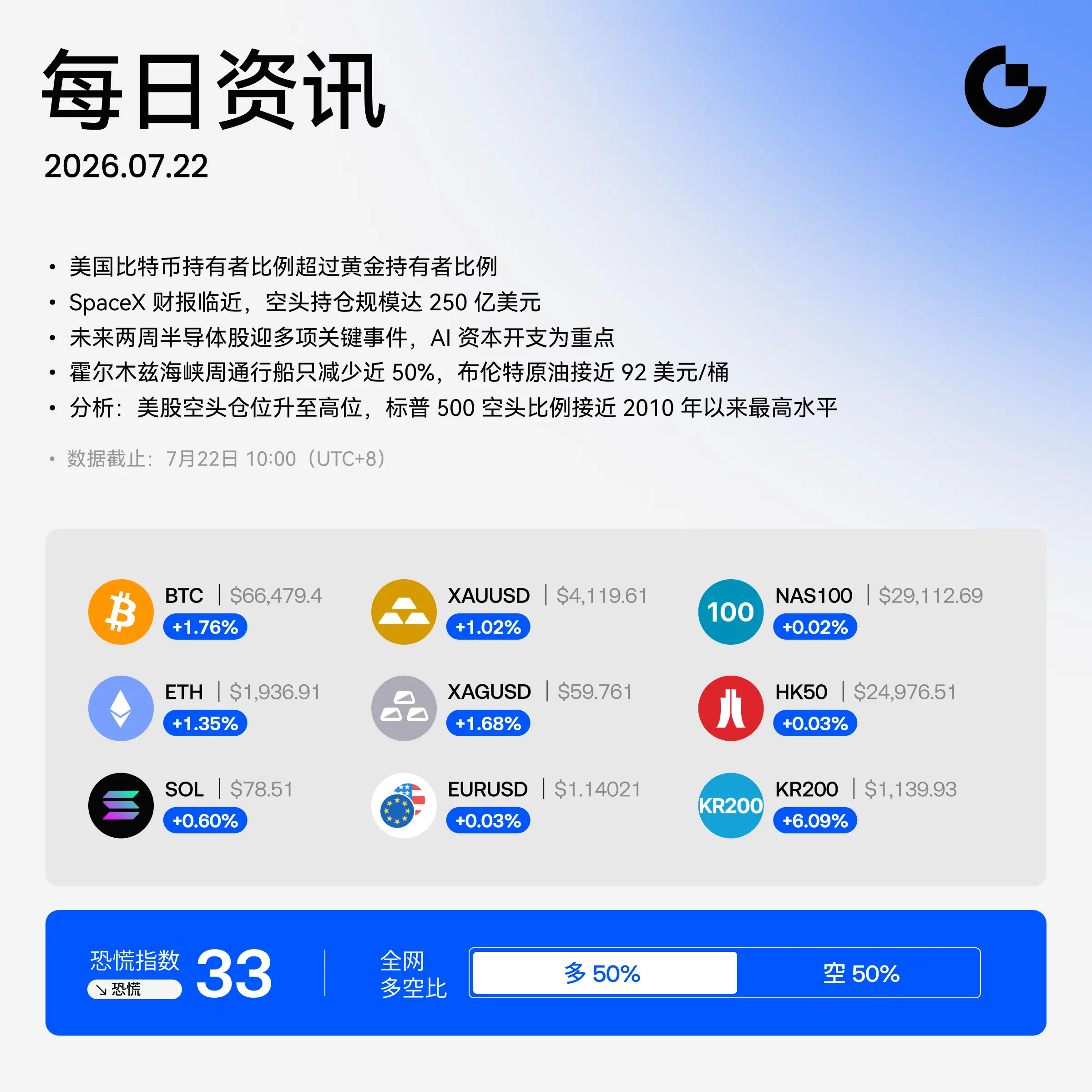
Daily News
2026.07.22
The proportion of U.S. Bitcoin holders exceeds that of gold holders
As SpaceX’s earnings report is approaching, short positions total $25 billion
Over the next two and a half weeks, several key events are expected for semiconductor stocks, with AI capital expenditures as the focus
Shipping transits through the Strait of Hormuz drop by nearly 50% week over week, and Brent crude oil is approaching $92 per barrel
Analysis: U.S. stock short positions have risen to high levels, with the S&P 500 short ratio approaching the highest level since 2010
Data as of: July 22 at 10:00 (
BTC-1.10%
SPCX-4.76%
GateLiveChinese
Daily News
2026.07.22
The proportion of U.S. Bitcoin holders exceeds that of gold holders
As SpaceX’s earnings report is approaching, short positions total $25 billion
Over the next two and a half weeks, several key events are expected for semiconductor stocks, with AI capital expenditures as the focus
Shipping transits through the Strait of Hormuz drop by nearly 50% week over week, and Brent crude oil is approaching $92 per barrel
Analysis: U.S. stock short positions have risen to high levels, with the S&P 500 short ratio approaching the highest level since 2010
Data as of: July 22 at 10:00 (UTC+8)
repost-content-media
  • Reward
  • 6
  • 1
  • Share
PrinceMagsi786:
LFG 🔥
View More
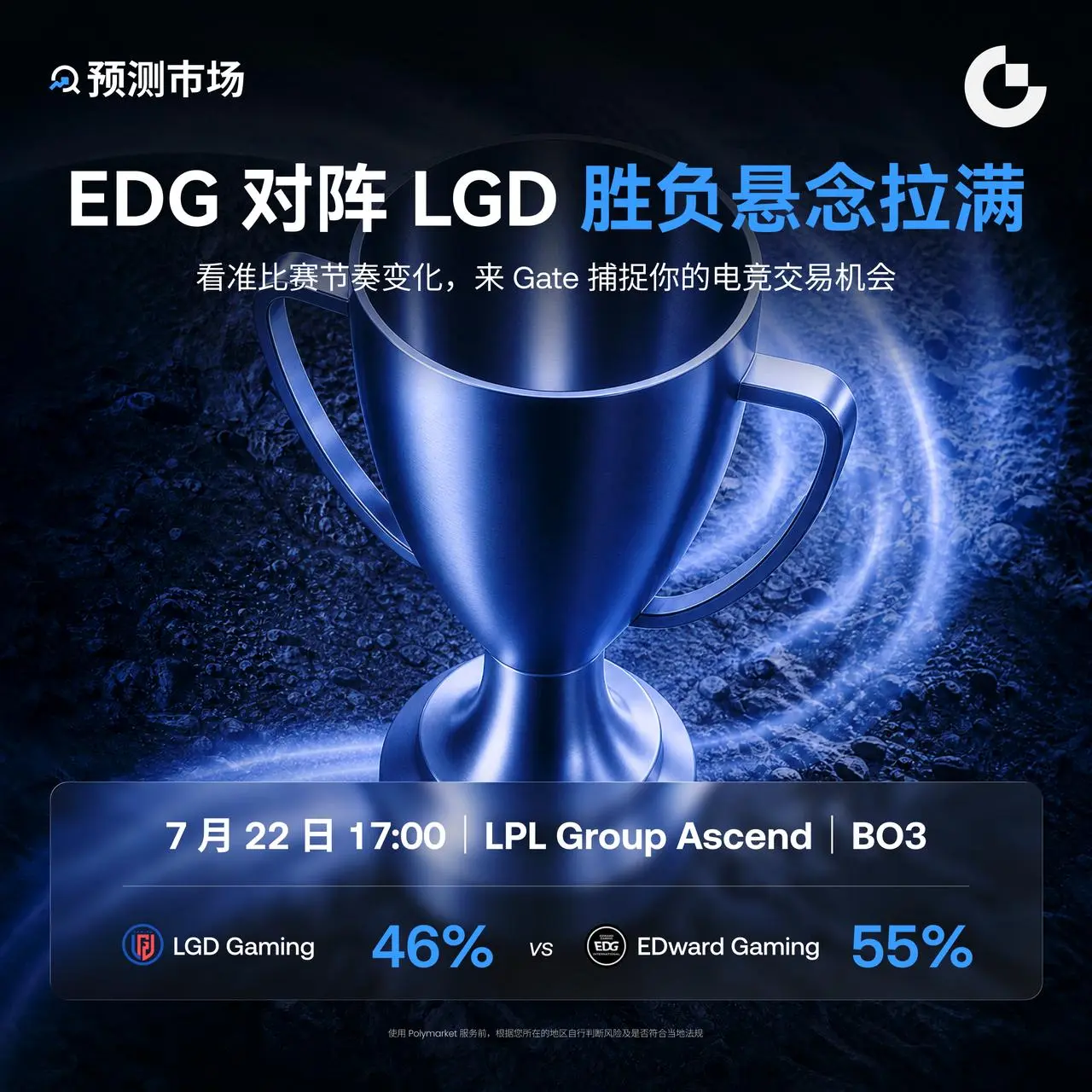
🎮 LPL today’s spotlight: EDG vs. LGD!
EDG win rate is 55%, LGD is 46%.
The gap between both sides isn’t large; in BO3, the tempo of every game could shift market expectations.
A wave of resource contention and a crucial teamfight could both cause prices to move rapidly.
By reading the match’s momentum, you can also exit early to lock in opportunities.
👉 Make an immediate prediction: https://gate.onelink.me/Hls0/prediction?page=detail&event_ticker=707285&source=cex
GateLaunch
🎮 LPL today’s spotlight: EDG vs. LGD!
EDG win rate is 55%, LGD is 46%.
The gap between both sides isn’t large; in BO3, the tempo of every game could shift market expectations.
A wave of resource contention and a crucial teamfight could both cause prices to move rapidly.
By reading the match’s momentum, you can also exit early to lock in opportunities.
👉 Make an immediate prediction: https://gate.onelink.me/Hls0/prediction?page=detail&event_ticker=707285&source=cex
repost-content-media
  • Reward
  • 5
  • 1
  • Share
PrinceMagsi786:
LFG 🔥
View More
  • Pinned