MeaninglessGwei

vip
Age 8.6 Year
Peak Tier 4
On-chain data analyst but refuses to look at Candlesticks. Likes to study Whale behavior and Liquidity patterns, with a natural sensitivity to on-chain anomalies. Believes data is more important than noise, but never gives financial advice, as he has also suffered significant losses.
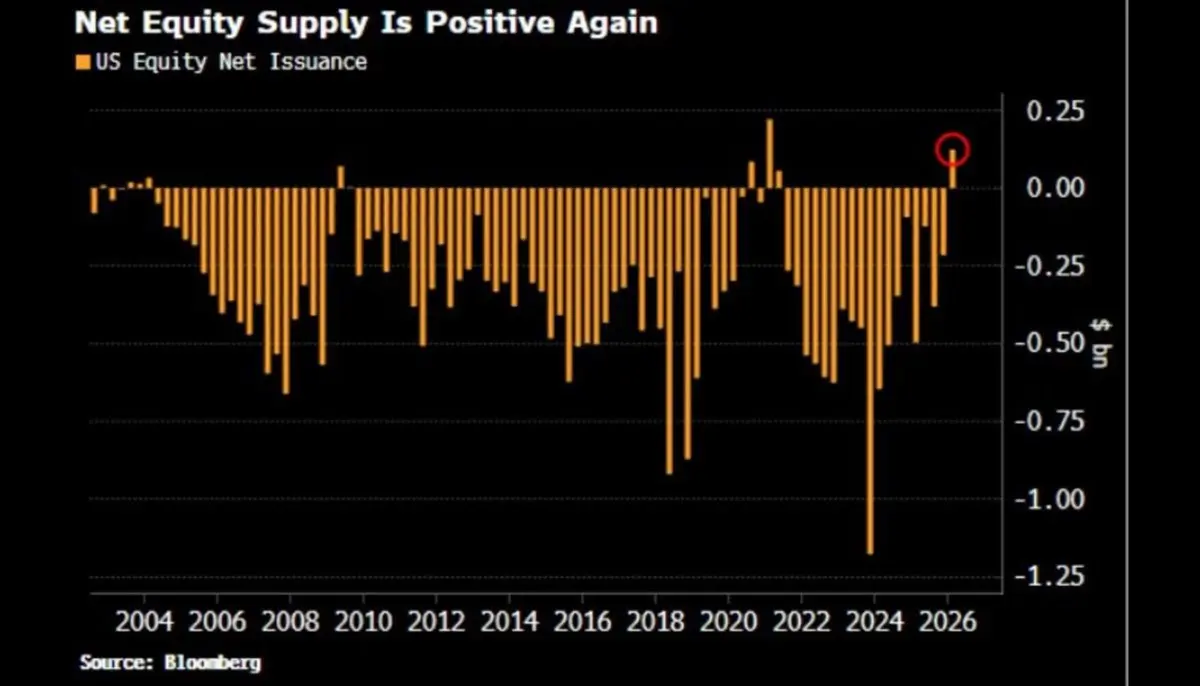
Burry of The Big Short said the biggest source of demand in the US stock market is disappearing.
US stock net issuance has turned positive again for the first time since 2021. This means the number of shares companies are currently putting into the market through issuing new stock has already exceeded the number of shares that have been bought back and retired.
For most of the past 20 years, share buybacks have been quietly reducing the total supply of shares in the market. Even if corporate profits have not grown in step, the contraction in stock supply itself provides support for stock price
View Original
post-image
  • Reward
  • Comment
  • Repost
  • Share
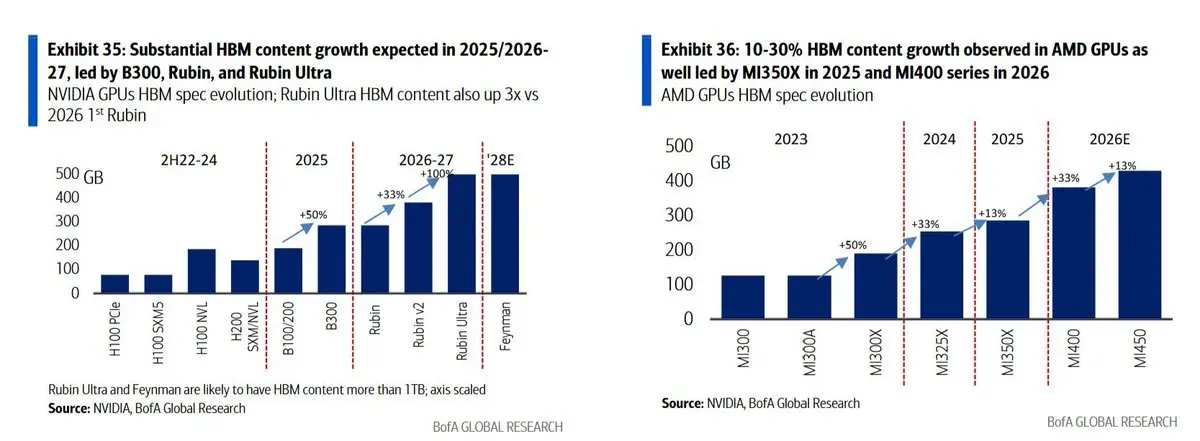
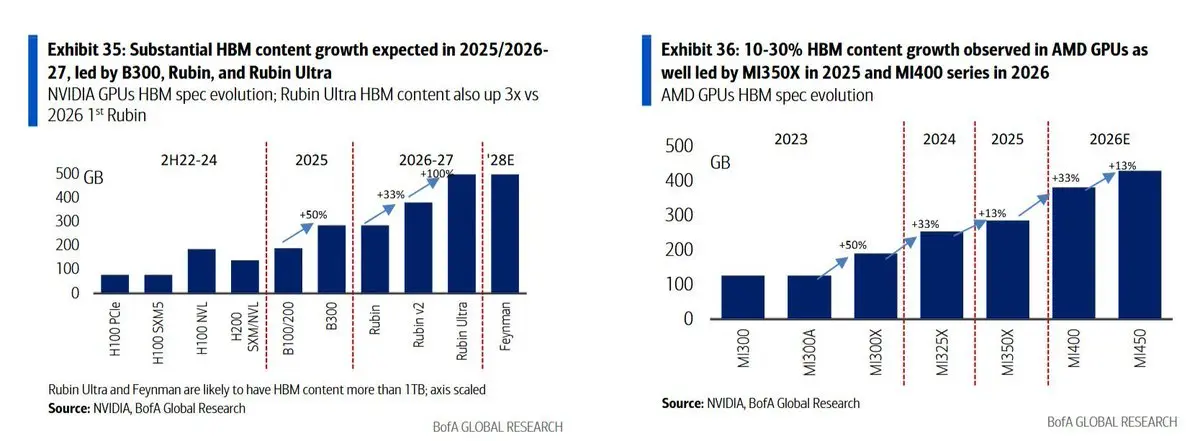
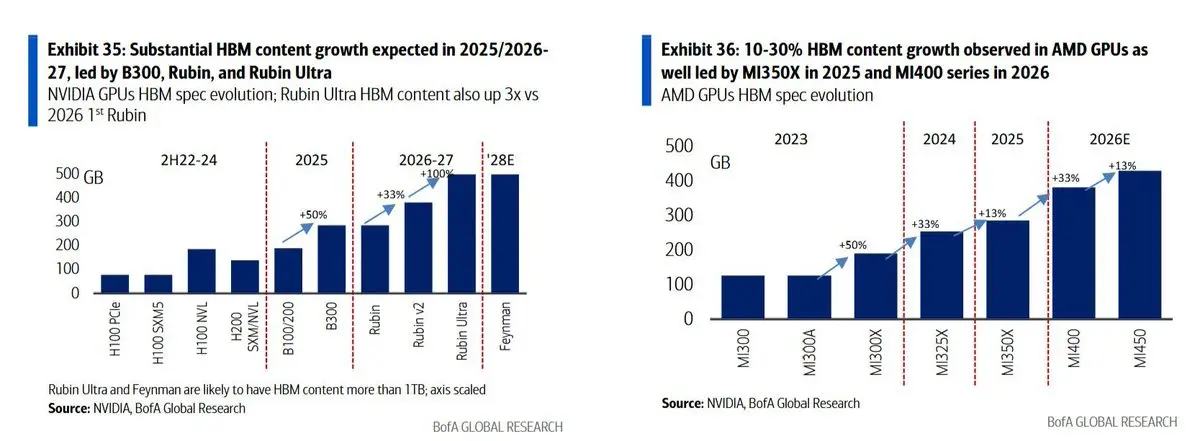
SK hynix CEO expects: The worst-ever shortage of storage chips will occur in 2027
Driven by AI data center demand, storage chip demand is expected to significantly exceed capacity at least through 2030. Even if SK hynix is actively expanding output by building new plants and expanding high-bandwidth memory (HBM) capacity for Nvidia accelerators, supply still may not be able to meet market demand.
Currently, SK hynix accounts for about 57% of the global HBM market. Amid rapidly rising prices, customers are securing supply in advance by signing long-term contracts. DRAM prices rose 44% this quar
SK Hynix-0.27%
NVDA4.06%
View Original
  • Reward
  • Comment
  • Repost
  • Share
Citi has added Micron Technology (Micron) to its “90-day upward catalyst watchlist.”
Rating: Buy; Price target: $1,400
Citi believes the main catalysts are driven by AI and server demand, with DRAM prices in the second half of 2026 expected to continue rising sharply. Citi expects next year’s DRAM prices could grow to nearly 3 times the current level.
Currently, the average target price on Wall Street is about $1,560, including Cantor Fitzgerald and Barclays, both of which have set $2,000 price targets.
MU-1.19%
View Original
  • Reward
  • Comment
  • Repost
  • Share
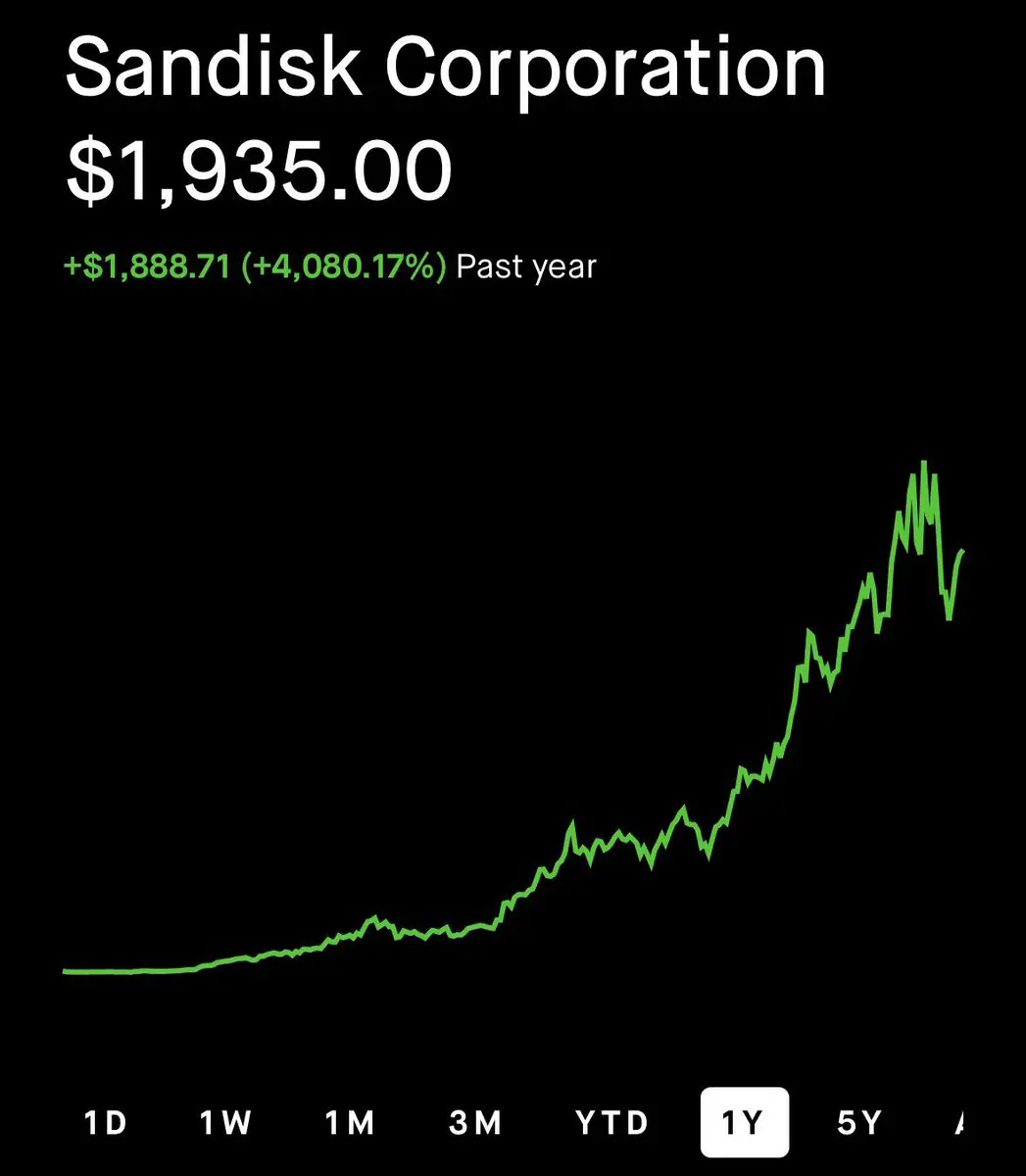
Judging from the technical charts, since last Tuesday’s three-day pullback was too deep, if I were to say that SNDK now has a head-and-shoulders top, I can’t really be refuted.
That’s why you need to be wary of SNDK continuing to fall next week to around 1,700.
Without a long-term position, you definitely won’t be able to hold. If it drops again to 1,500 or even 1,200, short-term beginners will absolutely be scared to death.
Getting hit and getting stopped out and liquidated is normal. Since it’s gambling, then accept the outcome—don’t keep blaming others on the internet every day. And I don’t
SNDK3.10%
View Original
post-image
  • Reward
  • Comment
  • Repost
  • Share
Morgan Stanley: Nvidia management directly responds to market concerns; Rubin roadmap remains unchanged; ASIC competition impact is limited
Morgan Stanley recently organized a Nvidia non-deal roadshow, attended in person by CEO Jensen Huang, CFO Colette Kress, and the head of investor relations. This high-level lineup itself suggests the company wants to address directly several issues the market has been most focused on recently: the Rubin product roadmap, ASIC (custom AI chip) competition, and whether investment in AI infrastructure can be sustained. According to meeting notes, management re
NVDA4.06%
META6.01%
MSFT0.19%
View Original
  • Reward
  • Comment
  • Repost
  • Share
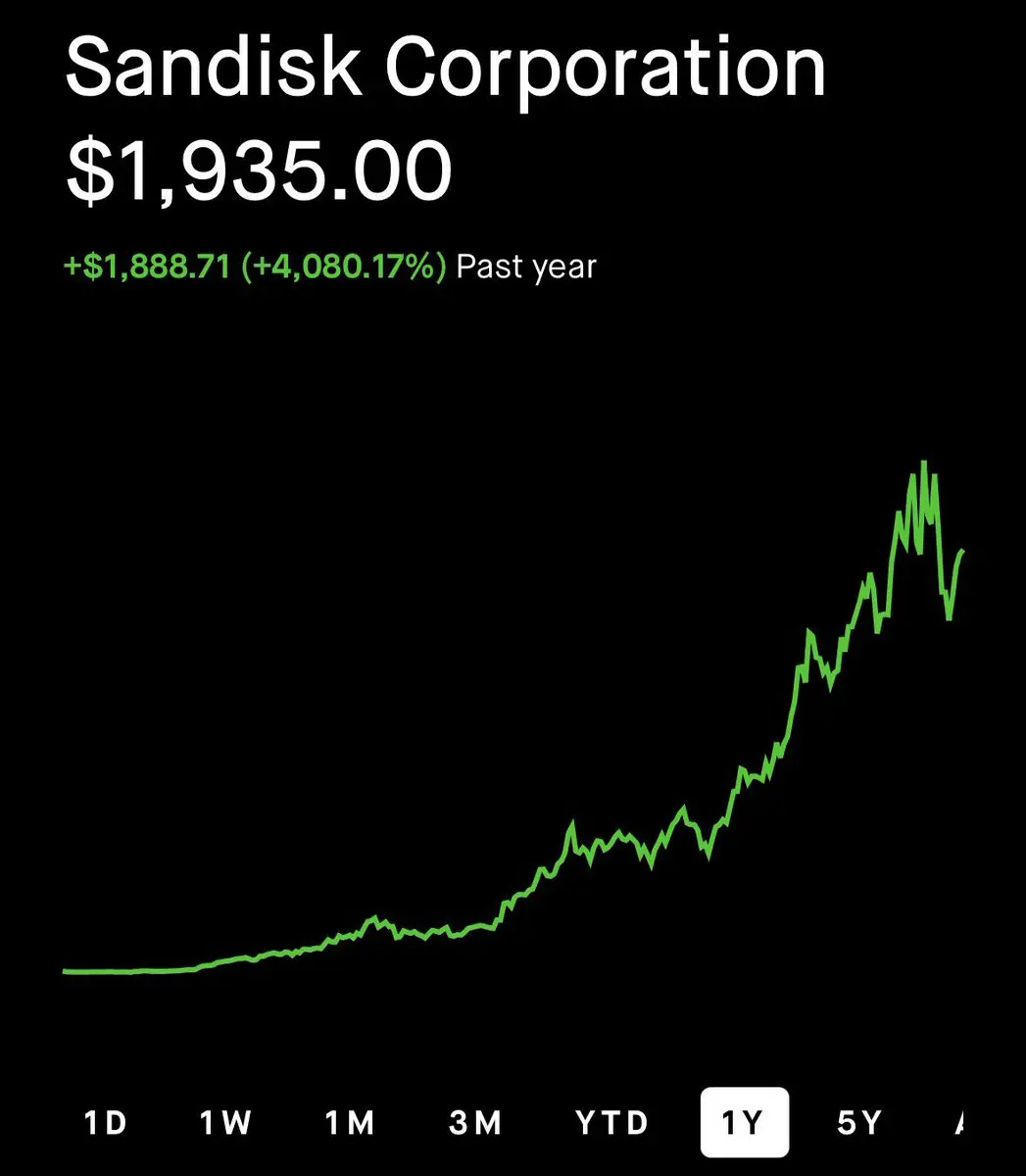
Judging from the technical chart pattern, since last Tuesday’s three-day pullback was too deep, if I say SNDK is now forming a head-and-shoulders top, I really can’t be refuted.
That’s why you need to keep watching: there’s a reason to be on alert for SNDK to fall back toward around 1,700 again next week.
If you don’t have long-term positions, you definitely can’t hold it. If it drops again to 1,500, it will definitely scare you.
Only leveraged short-term traders—if you’ve cleared your position and stopped out, then don’t come back and blame others.
Since it’s gambling, you should accept the o
SNDK3.10%
View Original
post-image
  • Reward
  • Comment
  • Repost
  • Share
@ShanghaoJin @FabinLi999 Completely successful!
View Original
  • Reward
  • Comment
  • Repost
  • Share
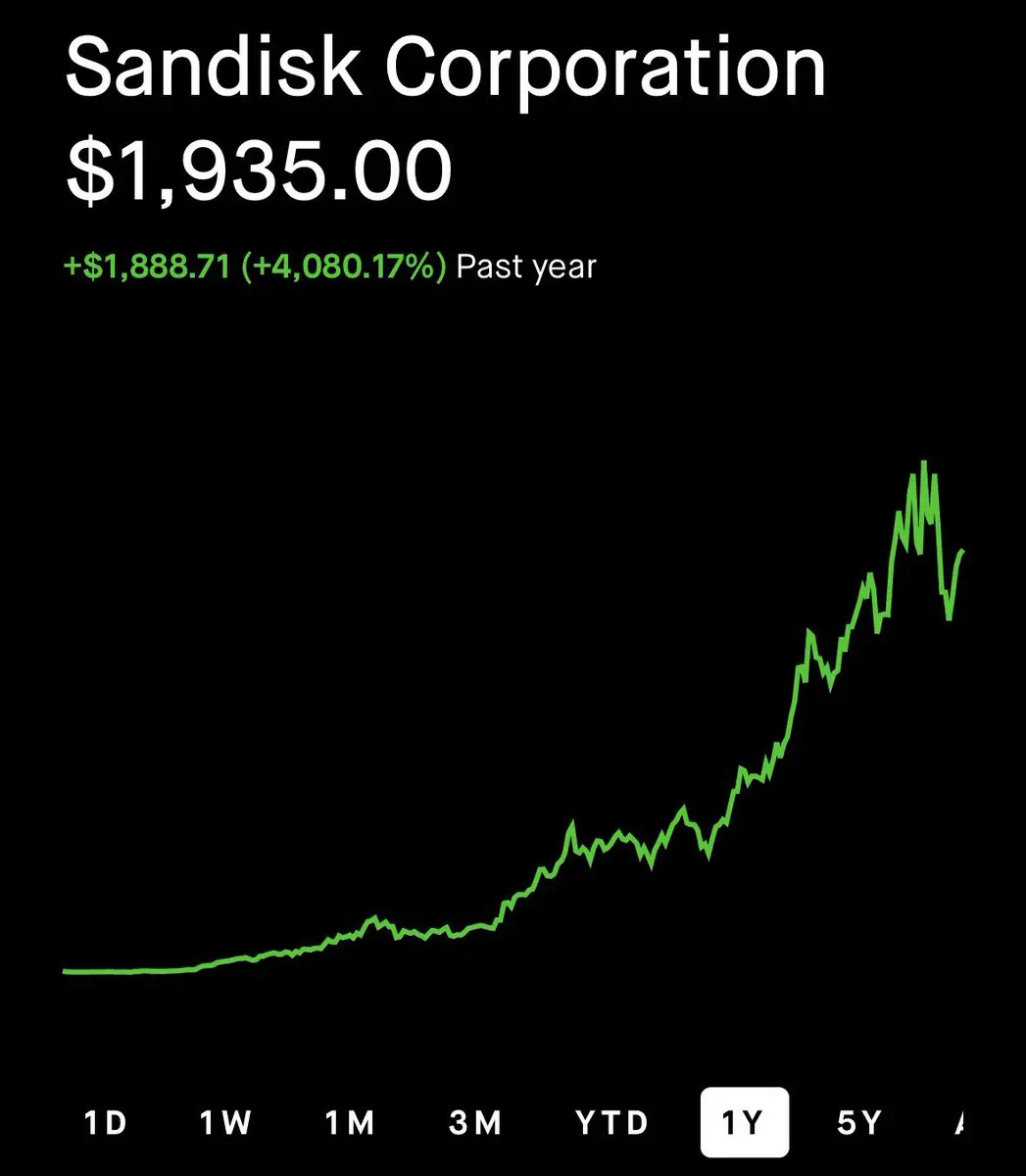
From the technical chart perspective, since the three-day pullback as of last Tuesday fell too deeply, you can say that SNDK is now forming a head-and-shoulders top, and I believe any bulls can’t fully refute that.
That’s why you need to watch out for SNDK potentially dropping again near 1,700 next week.
Thank you, everyone.
SNDK3.10%
View Original
post-image
  • Reward
  • Comment
  • Repost
  • Share
I think ASIC isn’t what many people think—dedicated circuitry built just for a particular model architecture. It should be circuitry built for specific Model Layers and Operators, and the inside is programmable.
ASIC isn’t so stupid that it can only run one specific model. Their own model team also needs to iterate—how could they not communicate?
A very simple design pattern: profile your own model to see which operators consume the most time, then have the designers optimize those operators and turn them into an ASIC. This makes it easy to improve your workload efficiency.
Such an ASIC is act
NVDA4.06%
View Original
  • Reward
  • Comment
  • Repost
  • Share
Many people worry that storage will turn out like the fiber optics of 2000—because of excessive infrastructure buildout and overcapacity, leading to blowups. But I think storage and fiber optics still have a few fundamental differences at the physical layer:
1) The “linearity” of Maxwell’s equations means optical paths can be multiplexed across many frequencies and won’t interfere with each other; therefore, in theory, the bandwidth of a single optical fiber can be infinitely large.
2) Even at nearby frequencies, fiber optics can further multiply communication efficiency using purely mathemati
View Original
post-image
  • Reward
  • Comment
  • Repost
  • Share
Many people worry that storage will end up like the fiber optics of 2000—because overbuilding leads to excess capacity, and ultimately something breaks. But I think storage and fiber optics still differ in a few fundamental physical aspects:
1) The “linearity” of Maxwell’s equations means that a single optical path can be reused across multiple frequencies without interference; therefore, the bandwidth of a single fiber can be effectively infinite.
2) Even if you use the same frequency, the fiber can still improve communication efficiency through purely mathematical methods like modulation and
View Original
post-image
  • Reward
  • Comment
  • Repost
  • Share
Many people are worried that storage will end up like the fiber optics of 2000, because excessive infrastructure building leads to eventual blowups. But I think storage and fiber optics still have several fundamental physical differences:
1) The “linearity” of Maxwell’s equations means that one optical path can be reused across multiple frequencies without interfering; therefore, the bandwidth of a single fiber can be infinitely large.
2) Even if the same frequency is used, fiber optics can still improve communication efficiency through purely mathematical methods like modulation and coding.
B
View Original
post-image
  • Reward
  • Comment
  • Repost
  • Share
The future is unpredictable. Based on the current stored volatility being further amplified, next week could see a drop of 20%, or a rise of 20%.
In fact, clearing the leveraged position after the 5% rebound last Monday morning was the right move. Then we should act opportunistically depending on the situation—like going for another short-term rebound after Tuesday’s dip has fully played out.
Since it’s a trade for the short term, you need to stay tightly aligned with the market, but you also can’t let yourself be unable to sleep.
In this kind of wild up-and-down market, the people who really
View Original
  • Reward
  • Comment
  • Repost
  • Share
The future is impossible to predict. Based on the volatility that will further amplify from storage, next week could see a drop of 20%, or it could also surge 20%.
In fact, after a 5% rebound on Monday morning last week, closing out the leveraged position was the right move. Then we should act opportunistically depending on how things look—such as the rebound on Tuesday by “the teacher.”
Since it’s a short-term trade, you need to stay tightly in step with the market, but you also can’t let yourself lose sleep.
In this kind of up-and-down market, the people who truly lose money are those with b
View Original
  • Reward
  • Comment
  • Repost
  • Share
Goldman Sachs’ Ronald Keung team released a roughly 50-page in-depth report on Chinese AI models in early July.
The report says Chinese models bring token costs down to 1/4 to 1/8 of the US SOTA by using MoE sparse architectures, and they first lose money to seize the market.
Chinese models have already captured overwhelming shares in two major token-heavy scenarios: agent and programming, and they have also driven the whole industry’s mixed token prices to peak and then fall.
Specific details are as follows:
1. The mixed token prices of China’s top programming models (GLM5.2, Qwen3.7
TOKEN-2.13%
DEEPSEEK-6.52%
View Original
  • Reward
  • Comment
  • Repost
  • Share
Last Sunday, after I posted to warn about the risks of short-term leverage, I actually gave three opportunities to exit at the time:
1. A gap-up then sell-off on Monday. Monday really opened higher—but if it didn’t go on, it’s because people thought the drop wasn’t enough yet, and they were clinging to luck.
2. On Tuesday, Samsung’s earnings report. If the report came in above expectations and triggered a pump, then this would be the second chance to run. Unfortunately, the earnings blew up.
After the market opened on Tuesday, SNDK’s biggest intraday crash was -15%. This time it dropped enough
SNDK3.10%
View Original
  • Reward
  • 1
  • Repost
  • Share
FirstPhaseOfTheJiedan:
Will the market crash in pre-market trading next Monday?
Last Sunday, after I posted a warning about the risks of short-term leverage, I actually laid out three opportunities to make a run at that time:
1. Monday opened higher, then fell. Monday did open higher—if it didn’t go, it’s because people thought the drop wasn’t enough, and they kept hoping for a reversal.
2. Tuesday’s Samsung earnings report. If the stock had rallied after the report, that would have been the second chance to run. Unfortunately, the earnings report blew up.
Within the day, SNDK’s biggest plunge was 15%. Now it had dropped enough to scare some people off—they sold at the lo
SNDK3.10%
View Original
  • Reward
  • Comment
  • Repost
  • Share
I posted last Sunday and, after reminding people of the risks of short-term leverage, I gave three chances to escape back then:
1. On Monday, there was a gap up followed by a slide. It did gap up on Monday—if you didn’t leave then, that was just luck.
2. On Tuesday, Samsung’s earnings report. If there was a pump after the report, that would be the second chance to escape. Unfortunately, the earnings exploded badly—how could anyone run? The intraday biggest drop was 15%, but the good news is that we saw a long-bot buying the dip at 1500.
3. On Friday, the Hisense IPO. Even though it kept fallin
SNDK3.10%
View Original
  • Reward
  • Comment
  • Repost
  • Share
In fact, after shorting on Sunday and Monday, on Tuesday there was indeed the biggest intraday drop of 15%. At the time, three leveraged short-term “escape” opportunities were given.
On Monday, it opened higher and then moved lower. Yes, it opened higher—but you didn’t take it.
On Tuesday, THENA’s triple financial report came out. If the earnings report detonates, how can you run? Run at the absolute low point? A good earnings report is the real opportunity to escape, right?
On Friday’s IPO, it rebounded to the 1,920 high point; strictly speaking, that was also an escape opportunity. If you ha
SNDK3.10%
View Original
  • Reward
  • Comment
  • Repost
  • Share
  • Pinned