What account model does Gate Stocks use?
Gate Stocks connects to compliant brokers through the Omnibus Introducing Broker (Omnibus IB) model. In this model, all end-user assets are aggregated into a master account at the clearing broker level, while Gate is responsible for user identification, order processing, and account management. This model is widely used in the securities industry, helping platforms connect to traditional securities markets and providing users with a unified trading experience.
For users, the most important aspect is the ability to buy and sell stocks, manage holdings, and check assets through their Gate account without having to manage a traditional broker account system separately.
How are corporate actions handled?
In the stock market, aside from price fluctuations, corporate actions are also important factors affecting investment returns.
When relevant events occur with listed companies, Gate Stocks will process them according to platform rules and reflect them in user accounts and transaction records.
Currently supported corporate actions include:
-
Cash dividends
-
Stock splits
-
Stock reverse splits
For example, when held stocks pay cash dividends, the relevant proceeds will be credited to user accounts according to platform rules; when companies conduct stock splits or reverse splits, the number of holdings will also be adjusted accordingly.
Users do not need to submit additional applications or perform any extra operations to complete these entitlement processes.
What rights do users have?
Although Gate Stocks provides access to real stock market trading, there are certain differences in holding structure compared to traditional individual securities accounts. Due to the Omnibus model, users are not registered under their own names in the traditional stock registration system.
Therefore, users do not have certain rights under the traditional shareholder registration system, such as:
However, users can still benefit from gains and losses arising from stock price fluctuations and receive corresponding corporate action entitlements under platform rules.
Stock trading fees and settlement methods
In terms of fee structure, Gate Stocks adopts a rate system similar to spot trading. Commissions are charged as a percentage of transaction amount according to the user's VIP level, with rates consistent with spot trading.
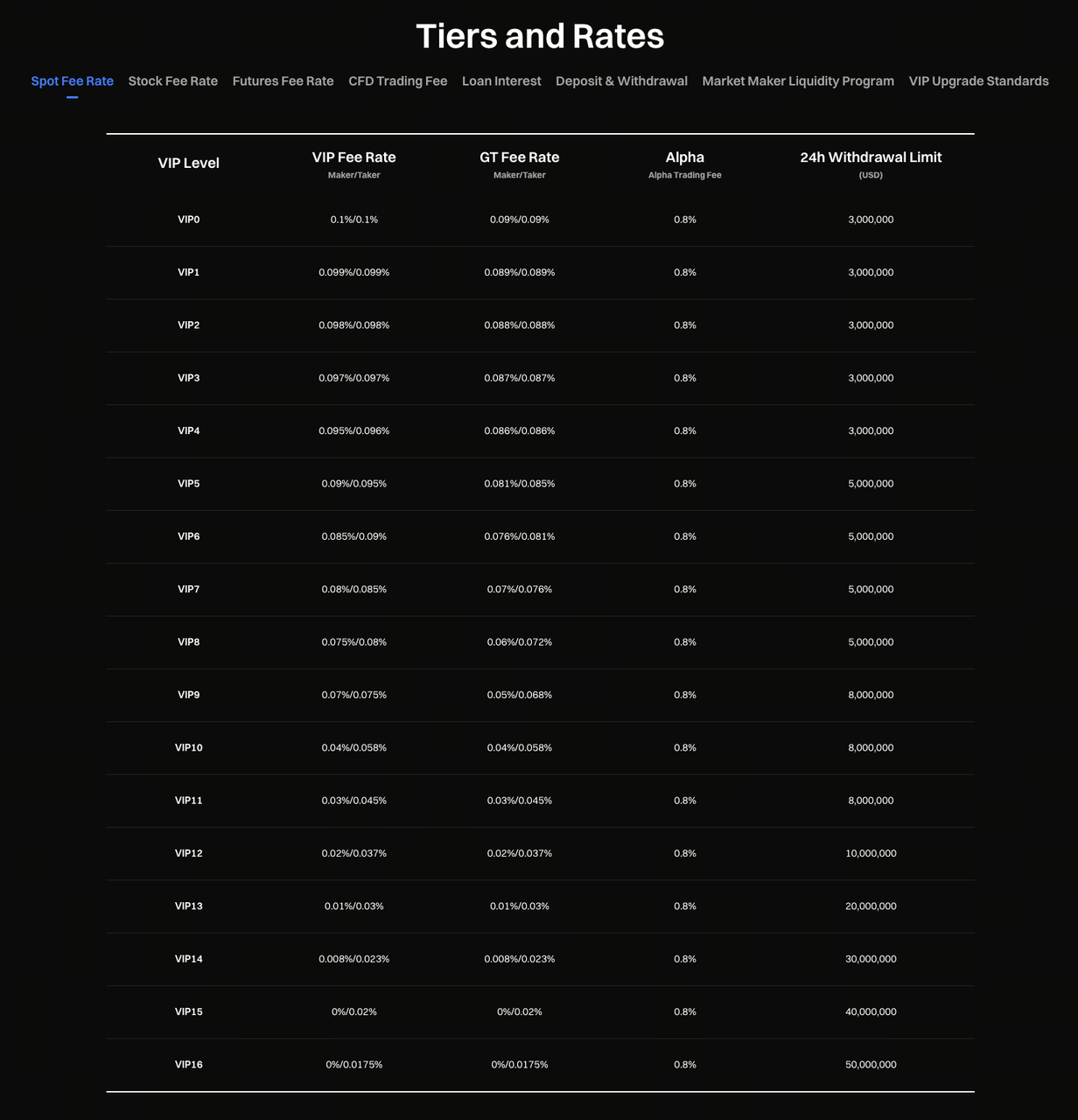
Unlike some stock derivative products, Gate Stocks spot trading does not involve:
As a result, users do not bear additional funding costs from long-term holdings.
For fund settlement, USDT is currently used as the main settlement currency. Fund changes resulting from buying and selling stocks, profit and loss changes, and related income are all reflected in the stock account.
Risk management and trading considerations
Although stock investing offers long-term allocation value, market risks still exist.
Before participating in trading, users should fully understand the following points:
-
Stock prices fluctuate continuously with market changes, which means both gains and losses are possible.
-
The product currently only supports placing new orders during US market trading hours; new buy or sell operations cannot be conducted outside trading hours.
-
When there is significant market volatility, transaction prices may differ from the prices seen at order placement—this is a normal occurrence in market operations.
-
Product rules, features, and fee rates may also be adjusted in the future based on market and regulatory conditions; therefore, actual situations should refer to the latest platform announcements and page descriptions.
For long-term investors, understanding product rules and risk mechanisms is an important foundation for asset allocation.