










# Web3SecurityGuide

50.91K
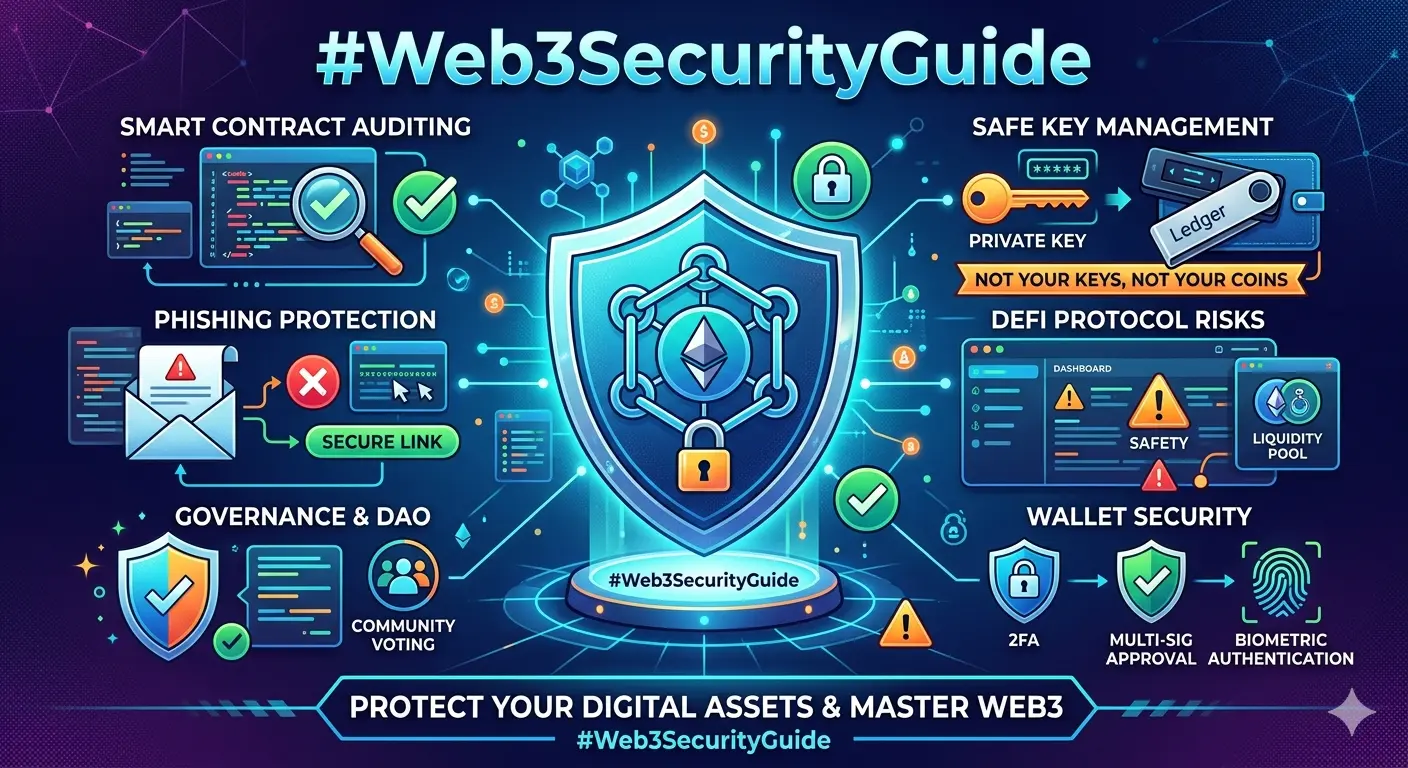
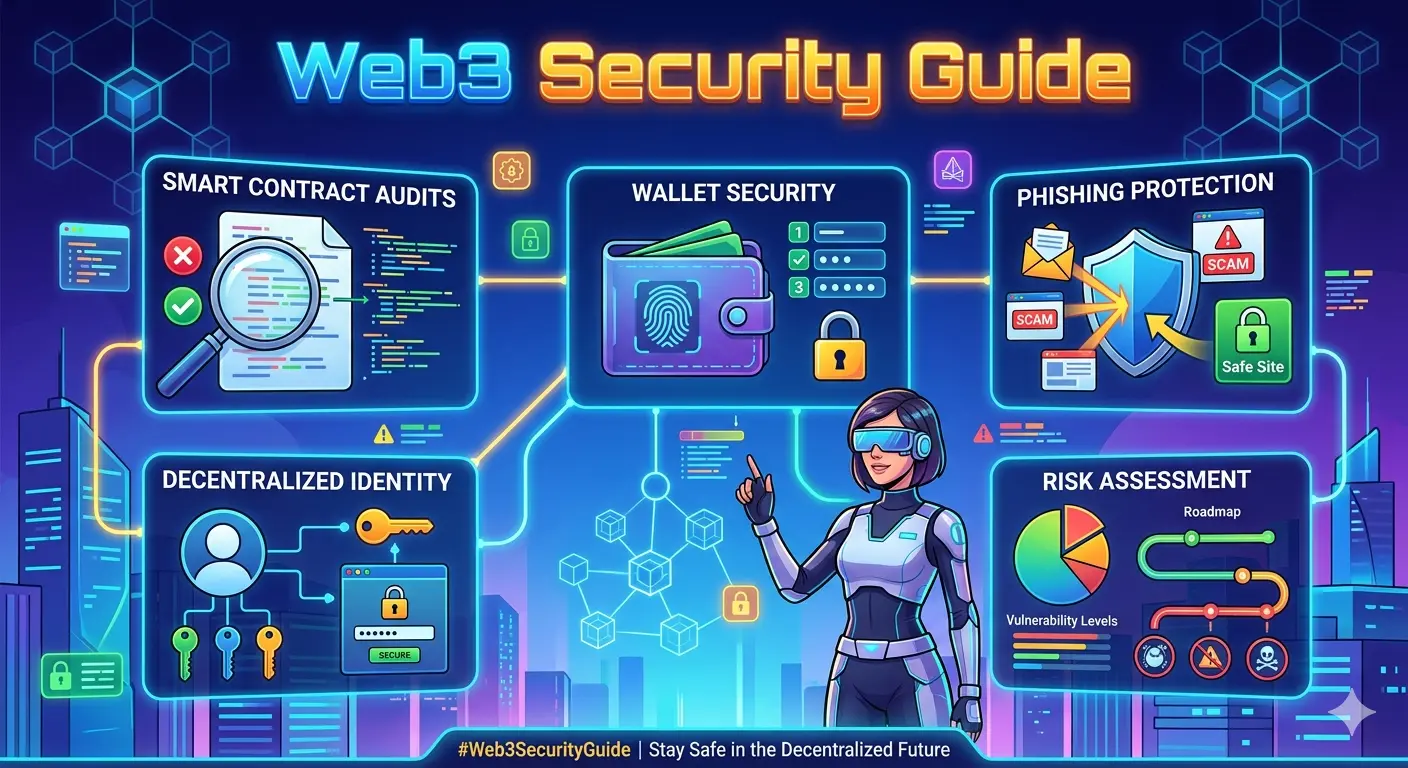
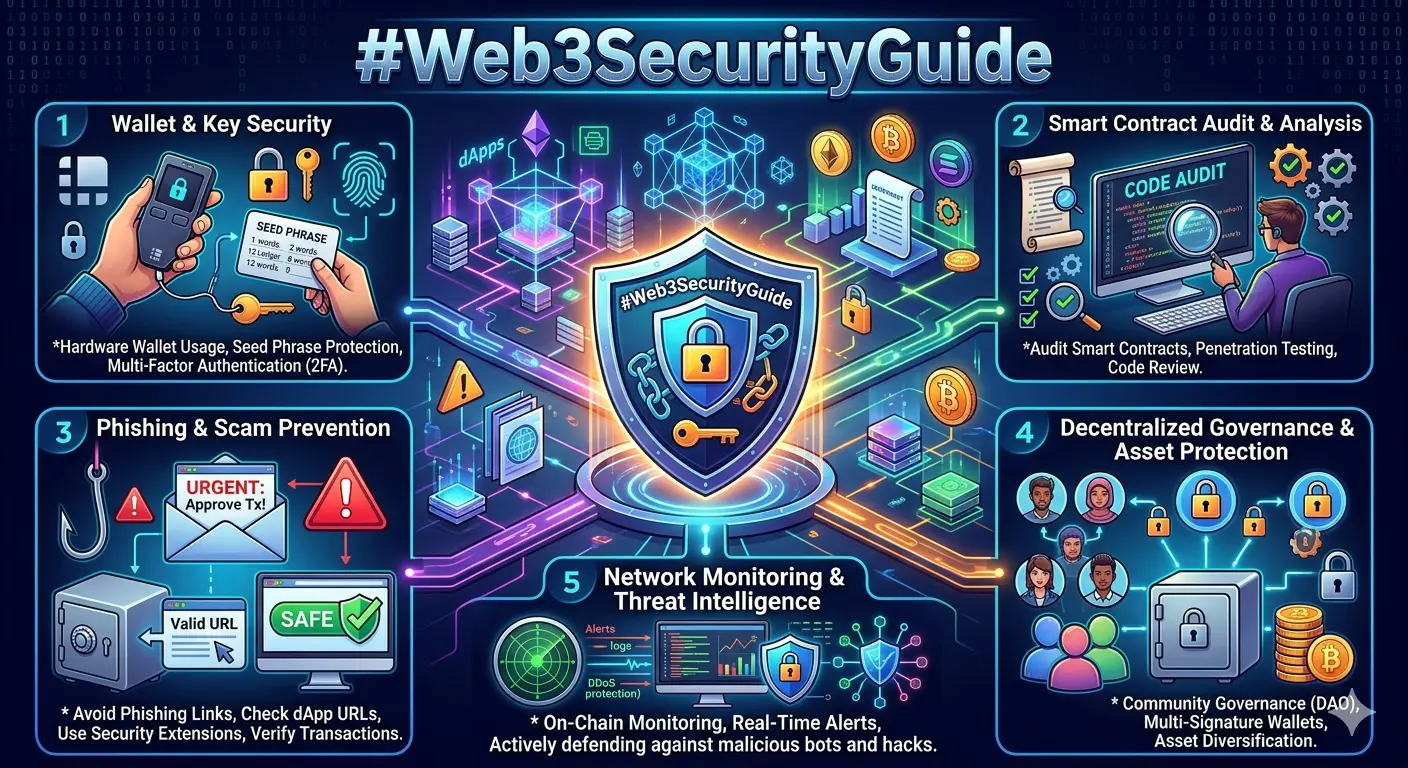
#Web3SecurityGuide
#Gate广场四月发帖挑战
The Only Security Guide That Matters in 2026 — Because the Attackers Are Already Three Steps Ahead of You
January 2026 alone saw $370.3 million in cryptocurrency stolen through exploits and scams — the highest single-month total in 11 months, according to CertiK data. Of that figure, $311 million came from phishing alone. In the first three months of 2026, before the Drift Protocol hack added another $285 million to the ledger, DeFi protocols had already bled over $137 million across 15 separate incidents. And sitting underneath all of it is a baseline realit
post-image
post-image
post-image
  • Reward
  • 2
  • Repost
  • Share
discoveryvip:
To The Moon 🌕
View More
#Web3SecurityGuide
Web3 Security: The Cost of True Ownership
Security in Web3 doesn’t collapse with alarms or warnings. It fails quietly, invisibly—and in most cases, permanently. There are no fraud departments to call, no password reset links to click, and no centralized authority to reverse a mistake. This is the reality of decentralized finance: full control comes with full responsibility.
Many assume that hacks primarily target protocols or exploit smart contract vulnerabilities. While those incidents do occur, the uncomfortable truth is that the majority of losses today happen at the use
post-image
post-image
  • Reward
  • 2
  • Repost
  • Share
Mosfick,Brothervip:
yeah permanent losses are scary
View More
#Web3SecurityGuide Web3 is no longer just a buzzword—it’s the next evolution of the internet, a decentralized playground where creators, investors, and everyday users coexist in a trustless environment. But while Web3 promises freedom, transparency, and control, it also introduces a layer of risk that many newcomers underestimate. Security is the backbone of this ecosystem. Without it, even the most innovative projects can collapse overnight. My take on Web3 security is simple: it’s not just about wallets, keys, or smart contracts—it’s about mindset, preparation, and adopting habits that preve
post-image
  • Reward
  • 1
  • Repost
  • Share
ybaservip:
2026 GOGOGO 👊
#Web3SecurityGuide
Market Impact Analysis
Web3 security is no longer just a technical concern — it’s a market structure driver.
Every exploit, hack, or vulnerability:
Reduces trust in protocols
Triggers liquidity exits
Reprices risk across the ecosystem
Security failures don’t just affect one project — they impact: ➡️ Entire sectors (DeFi, bridges, derivatives)
➡️ Capital allocation decisions
➡️ Institutional participation
Why this matters:
Capital flows toward secure, audited, and battle-tested systems
Weak security = capital leakage
Strong security = liquidity magnet
Platforms like Gate.io
BTC3,91%
ETH4,34%
post-image
post-image
post-image
  • Reward
  • 3
  • Repost
  • Share
ybaservip:
2026 GOGOGO 👊
View More
#Web3SecurityGuide
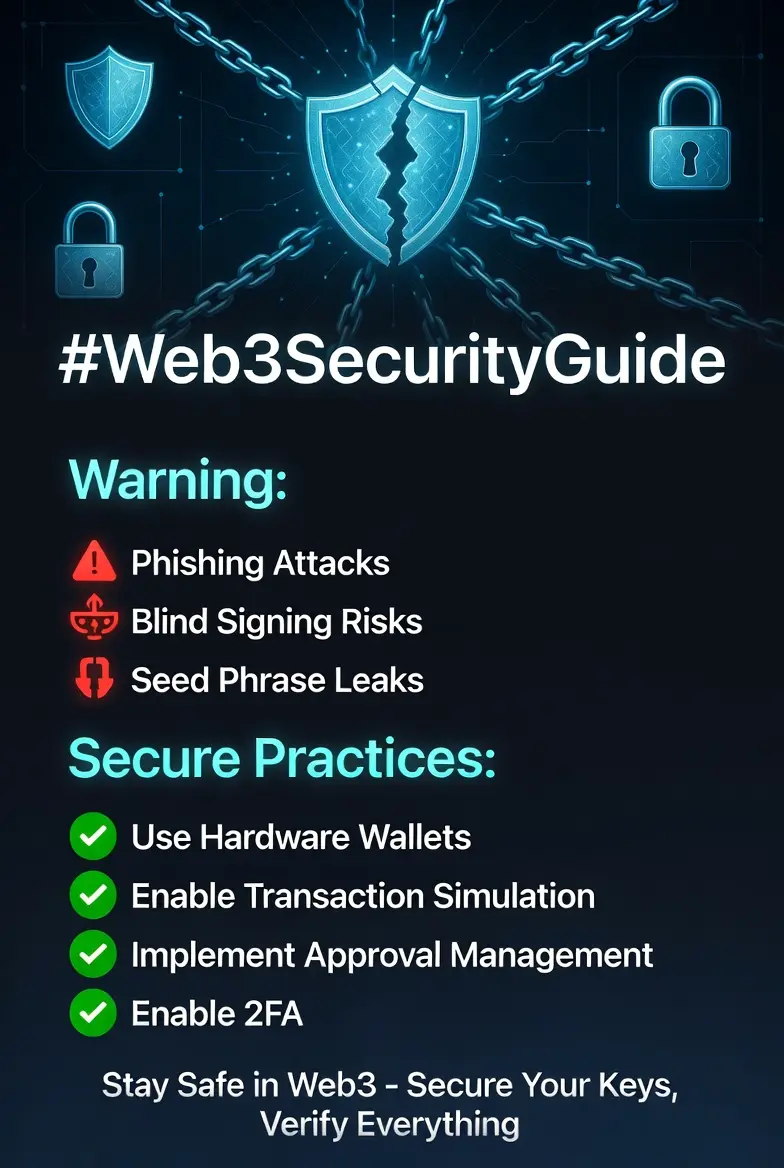
Security in Web3 doesn’t fail loudly.
It fails quietly — and permanently.
Most people think hacks happen to protocols.
Reality? They happen to users.
The majority of losses today aren’t from broken smart contracts — they come from simple actions: signing the wrong transaction, clicking a clean-looking phishing link, or trusting a fake interface mimicking tools like MetaMask.
That’s the uncomfortable edge of decentralization.
You gain control… and inherit all the risk.
Sharp insight:
The most dangerous attack is the one that looks normal.
Convenience is the entry point for m
post-image
post-image
post-image
  • Reward
  • 9
  • Repost
  • Share
StylishKurivip:
To The Moon 🌕
View More
#Web3SecurityGuide
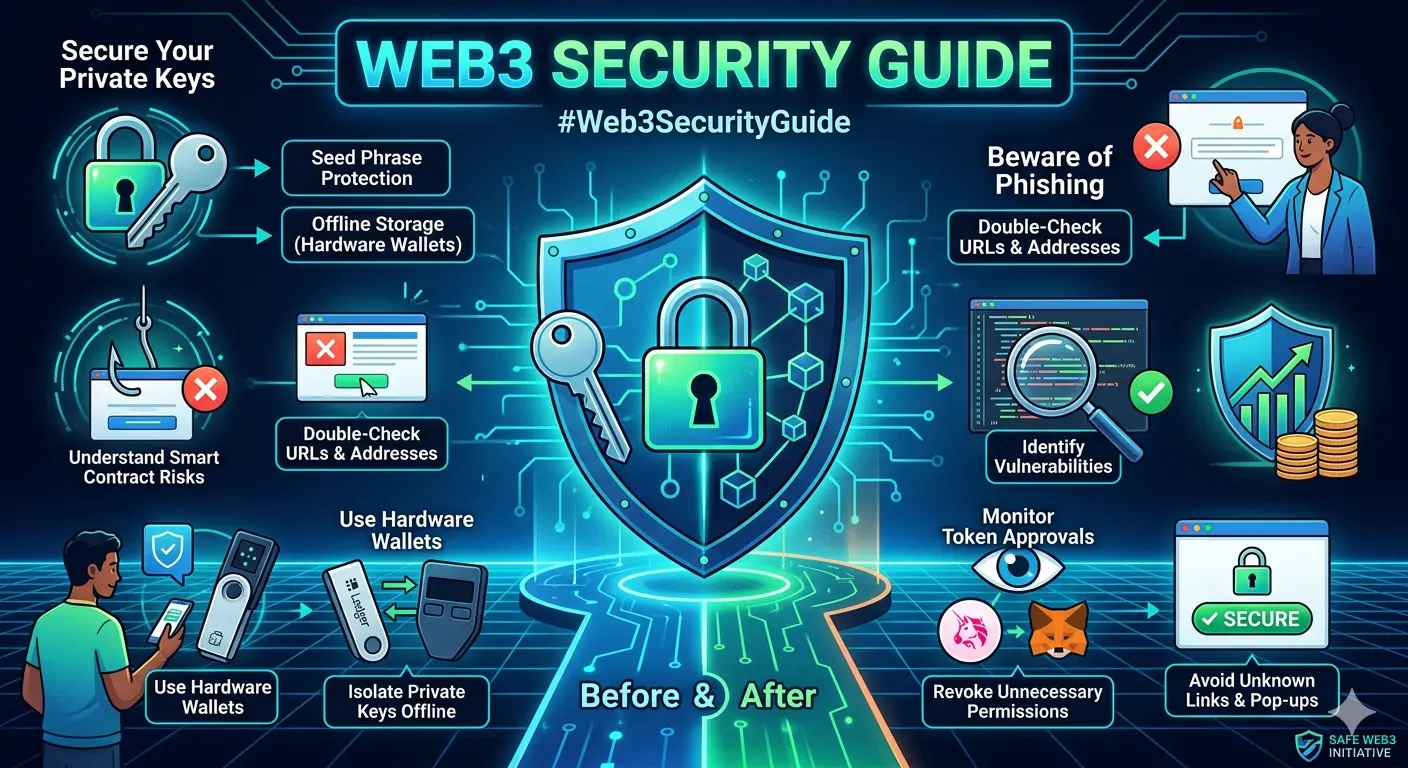
As Web3 continues to grow, offering users greater control over their assets and data, security has become more important than ever. Unlike traditional systems, Web3 places responsibility directly in the hands of users—meaning one small mistake can lead to significant losses. Here’s a practical guide to help you stay secure in the decentralized ecosystem.
🔐 1. Protect Your Private Keys Your private key is your ultimate access to your funds. Never share it with anyone, and avoid storing it online. Use hardware wallets or secure offline storage methods to keep your keys safe
post-image
post-image
  • Reward
  • 3
  • Repost
  • Share
ybaservip:
2026 GOGOGO 👊
View More
🔐 #Web3SecurityGuide: Stay Safe in the Decentralized World
As Web3 continues to grow, offering financial freedom, ownership, and decentralized control, it also brings new security challenges. Unlike traditional systems, there’s no central authority to reverse mistakes—so your security is entirely in your hands. Here’s a complete guide to help you stay safe in the Web3 ecosystem.
---
🧠 1. Understand the Basics First
Before investing or interacting with any platform, make sure you understand how blockchain, wallets, smart contracts, and private keys work. Lack of knowledge is one of the bigges
post-image
post-image
post-image
post-image
post-image
post-image
post-image
  • Reward
  • 1
  • Repost
  • Share
ybaservip:
2026 GOGOGO 👊
#Web3SecurityGuide
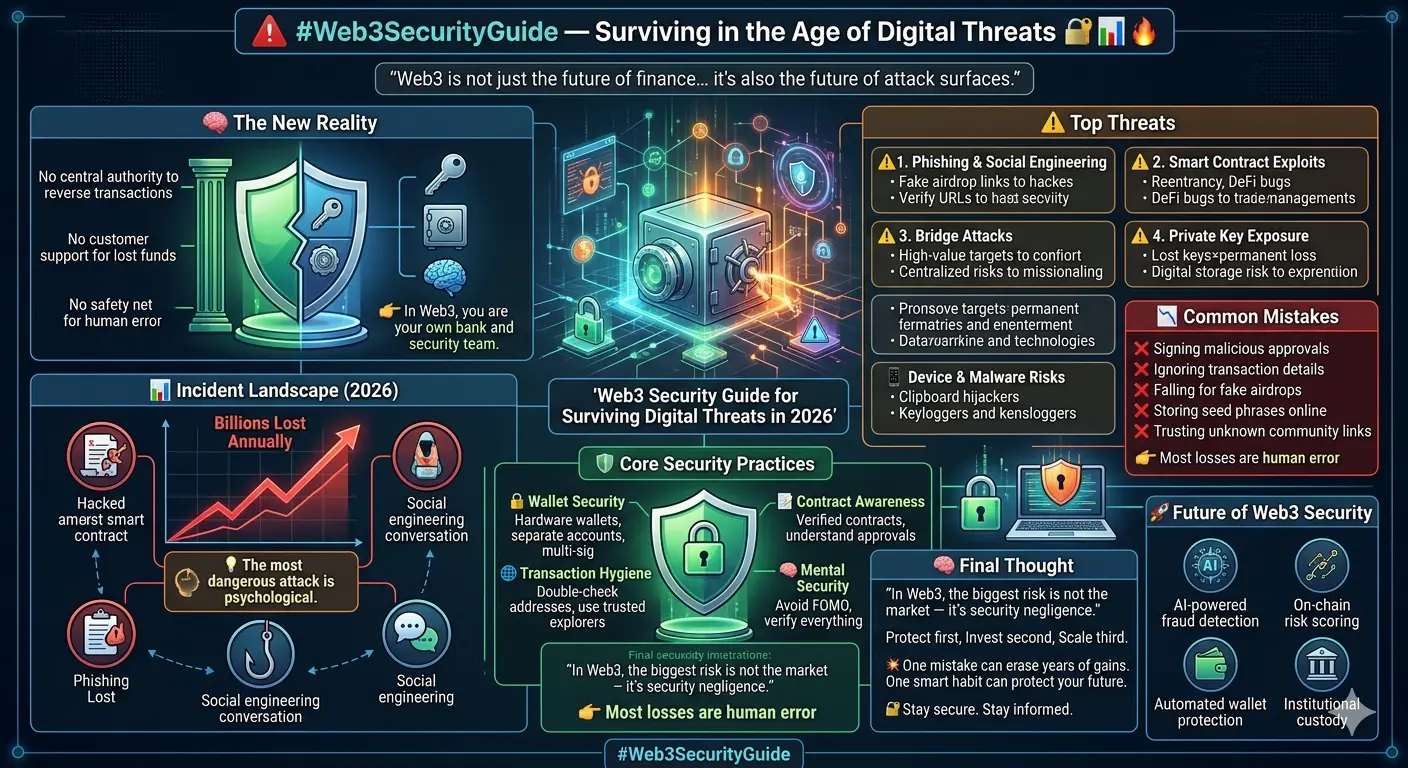
🚨 #Web3SecurityGuide — Surviving in the Age of Digital Threats 🔐📊🔥
“Web3 is not just the future of finance… it’s also the future of attack surfaces.”
As the Web3 ecosystem expands rapidly in 2026, security has become the most critical layer of survival. With billions of dollars locked in smart contracts, wallets, bridges, and decentralized platforms, attackers are evolving just as fast as innovation itself.
🧠 The New Reality of Web3 Security
Web3 is built on three core principles:
🧾 Decentralization
🔓 Permissionless access
🧠 User-controlled assets
But these same str
DEFI-2,23%
TOKEN3,8%
CROSS-2,68%
post-image
post-image
  • Reward
  • Comment
  • Repost
  • Share
#CryptoMarketSeesVolatility 🏛️ Breakdown of the GENIUS Framework
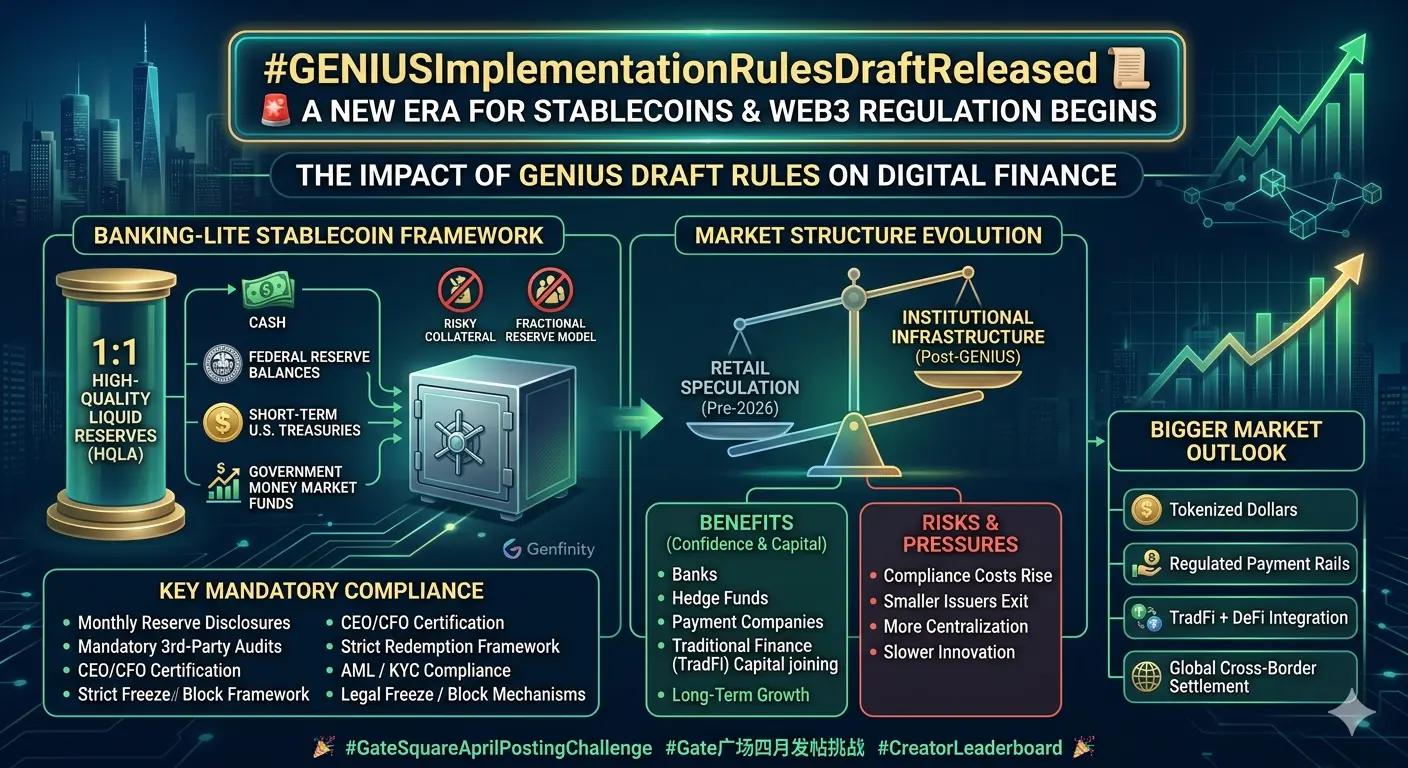
The draft rules confirm that the U.S. is moving toward a "Banking-Lite" model for stablecoin issuers. Here is what stands out:
The "HQLA" Standard: By requiring High-Quality Liquid Assets (Cash and short-term Treasuries), the government is effectively killing the "algorithmic stablecoin" model for any entity that wants to operate legally in the U.S.
Proof of Solvency: Monthly disclosures and third-party audits are no longer "best practices"—they are now legal requirements. This eliminates the "trust me" phase of stablecoin histo
DEFI-2,23%
post-image
AYATTACvip
#CryptoMarketSeesVolatility 🏛️ Breakdown of the GENIUS Framework
The draft rules confirm that the U.S. is moving toward a "Banking-Lite" model for stablecoin issuers. Here is what stands out:
The "HQLA" Standard: By requiring High-Quality Liquid Assets (Cash and short-term Treasuries), the government is effectively killing the "algorithmic stablecoin" model for any entity that wants to operate legally in the U.S.
Proof of Solvency: Monthly disclosures and third-party audits are no longer "best practices"—they are now legal requirements. This eliminates the "trust me" phase of stablecoin history.
The Federal Reserve Bridge: The mention of Federal Reserve balances suggests that top-tier issuers (like Circle or Paxos) might eventually gain direct access to the central bank, which would make these stablecoins as safe as traditional bank deposits.
⚖️ The DeFi Dilemma
The "Risks" section you mentioned is the part most Web3 purists are worried about.
The Trade-off: We are gaining Institutional Capital (Banks, Pension Funds, ETFs) but potentially losing Permissionless Innovation.
If every transaction requires a "legal freeze/block mechanism," the core ethos of "code is law" becomes "code is law, subject to a court order." For many, this is the price of entry for the next $10 trillion in market cap.
📈 Market Sentiment Shift
As you noted, the smart money is looking past the "red tape" and seeing Validation. When the Treasury and the OCC (Office of the Comptroller of the Currency) spend this much time on a draft, they are admitting that stablecoins are now a systemic part of the global financial plumbing.
Bottom Line: The 60-day comment period will be a battlefield between privacy advocates and institutional giants. The final version of these rules will likely dictate which stablecoins are still around by 2027.#OilPricesRise #MarchNonfarmPayrollsIncoming #BitcoinMiningIndustryUpdates #TetherEyes$500BFundraising
  • Reward
  • 3
  • Repost
  • Share
ybaservip:
To The Moon 🌕
View More
#Web3SecurityGuide
As Web3 continues to grow, offering users greater control over their assets and data, security has become more important than ever. Unlike traditional systems, Web3 places responsibility directly in the hands of users—meaning one small mistake can lead to significant losses. Here’s a practical guide to help you stay secure in the decentralized ecosystem.
🔐 1. Protect Your Private Keys Your private key is your ultimate access to your funds. Never share it with anyone, and avoid storing it online. Use hardware wallets or secure offline storage methods to keep your keys safe
  • Reward
  • Comment
  • Repost
  • Share
Load More